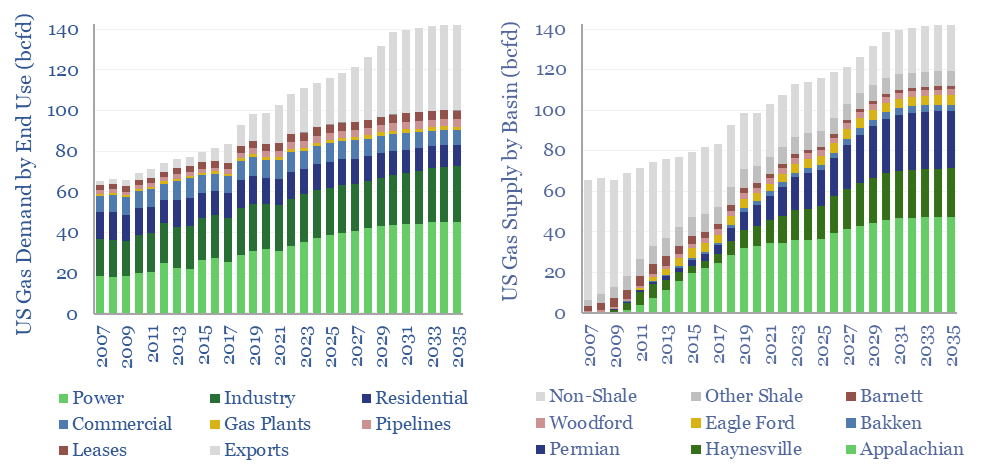
Hyperscalers and Natural Gas: Why the New Forecast Matters
AI data centers need power now, and that pressure is pushing hyperscalers toward natural gas. The pitch sounds practical. Gas plants are familiar, dispatchable, and faster to build than many alternatives. But the natural gas forecast tied to this debate could change the math in a hurry. If fuel prices, policy costs, or grid rules move the wrong way, the “safe” choice starts to look shaky. That matters because data center operators are locking in power deals that can run for years. Can companies that sell speed and scale afford to make a long-term bet on a fuel with so much policy and market baggage?
Look, this is not a feel-good energy story. It is a cost story, a timeline story, and a risk story. And the stakes are getting bigger as AI workloads keep climbing.
What the natural gas forecast is really testing
- Fuel cost risk: Gas is cheap until it is not. Commodity swings can turn a tidy power budget into a mess.
- Build-out speed: Data centers want fast megawatts, but new generation still faces permitting, interconnection, and labor delays.
- Carbon pressure: More gas means more scrutiny from regulators, investors, and customers who care about emissions.
- Grid exposure: Heavy dependence on gas can leave operators exposed if local supply tightens or infrastructure stalls.
The central question is simple. Does natural gas still look like the best bridge fuel if the next decade is more volatile than the last? That is where the forecast bites. If analysts are right that gas demand, prices, or policy costs will rise faster than operators expect, hyperscalers may be buying into a cost structure that ages badly.
Why hyperscalers keep choosing gas anyway
Speed is the main reason. A cloud company planning a new AI cluster cannot wait five or seven years for a perfect clean power buildout. Gas can slot into the plan faster than large nuclear projects, new transmission, or some renewable-plus-storage mixes. That makes it attractive, even if nobody wants to say it out loud.
But speed is only half the story. Hyperscalers also want control. They do not like being hostage to a congested grid or an uncertain utility queue. A gas deal can feel like building your own kitchen instead of waiting for a table at a crowded restaurant. You get served faster, but you also pay the bill for the whole meal.
“Fast power is not the same thing as durable power.” That is the part many operators keep skipping.
What could go wrong with the natural gas forecast?
Prices can move against you
Gas markets are not static. Weather, exports, drilling trends, and pipeline constraints all affect price. If AI demand keeps rising while supply stays tight, operators could face higher power costs than they modeled when they signed the deal.
Policy can turn a utility choice into a liability
Carbon rules are not hypothetical. Federal and state policies can add costs through emissions limits, reporting rules, or clean energy mandates. A power plan that looks tidy on paper can become expensive when compliance costs show up.
Infrastructure can lag the hype
People talk about gas like it is instantly available everywhere. It is not. Pipelines, turbines, interconnects, and local permits still take time. That delay can pinch projects that were sold internally as quick wins.
And that is the uncomfortable part.
How hyperscalers should read the natural gas forecast
- Stress-test the power contract. Model higher fuel prices, not just base-case assumptions.
- Price carbon explicitly. If your plan ignores future emissions costs, it is incomplete.
- Mix supply sources. Combine gas with renewables, storage, and demand management where possible.
- Think in zones, not slogans. A site in Texas does not face the same risk profile as one in Virginia or Ohio.
- Watch permitting and pipeline timelines. “Available” on a slide deck is not the same as online in the real world.
Here’s the thing. Data center power planning should look less like a press release and more like an engineering review. The companies that get this right will not be the ones chasing the loudest talking point. They will be the ones that model boring details with brutal honesty.
What this means for the AI buildout
The AI boom has made electricity planning feel urgent, almost frantic. But urgency can produce lazy bets. If the natural gas forecast proves ugly for buyers, hyperscalers may find that their supposedly flexible fuel source is actually a constraint, especially as investors push harder on climate risk and utilities push back on load growth.
That does not mean gas disappears tomorrow. It means the bet needs sharper guardrails. More hedging. Better contract terms. More backup options. Fewer assumptions.
Where the smarter money goes next
My read is plain. Hyperscalers should treat gas as a tool, not a destination. They need cleaner firm power, better storage, and grid upgrades if they want AI growth without building a carbon trap they will regret later. What happens if the forecast is right and gas gets more expensive, more constrained, and more politically toxic at the same time?
That is the question boardrooms should be asking before the next power deal gets signed.