Intel Comeback Story: What It Really Means
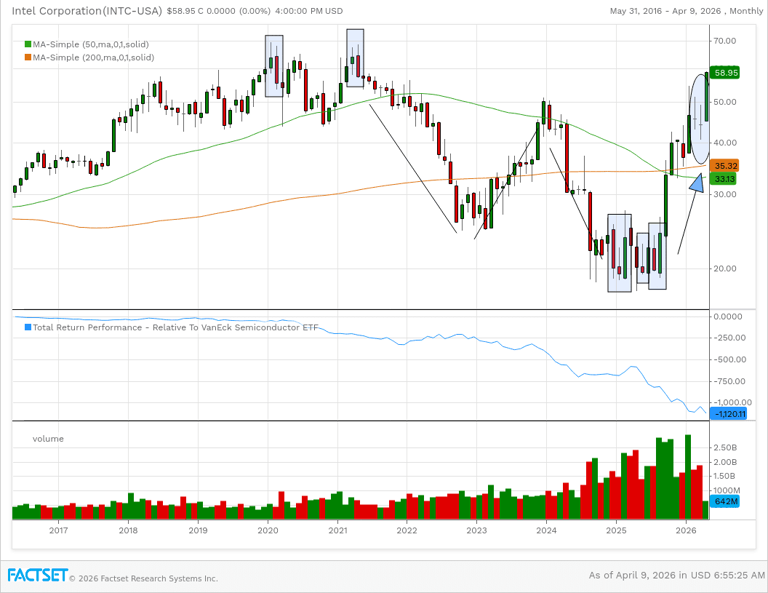
Intel has spent years being cast as the old giant that lost its edge. That is why the Intel comeback story matters right now. It is not just about one chip company fixing a few bad quarters. It affects data centers, PC makers, AI infrastructure, US manufacturing policy, and the balance of power against Nvidia, AMD, and TSMC. If you follow semiconductors, you have probably seen the hot takes already. Some say Intel is back. Others say the market is grading on a curve. The truth sits in the middle. Intel has made real progress, but the hard part is still ahead. The company now needs to prove it can turn strategy into consistent execution, and that is where comeback stories usually get messy.
What stands out
- Intel has moved from pure damage control to a more believable recovery plan.
- Manufacturing execution is still the non-negotiable test.
- Its foundry push could reshape the chip supply chain if customers stick.
- AI remains both the biggest opening and the clearest weak spot.
Why the Intel comeback story feels different this time
Intel has promised turnarounds before. Investors know that. So why are more people taking this one seriously?
Because this version is less about branding and more about hard industrial moves. Intel has pushed into foundry services, backed domestic chip production, and worked to regain process credibility after years of delays. That changes the frame. The company is no longer asking the market to trust a slogan. It is asking customers to watch fabs, roadmaps, yields, and delivery.
That is a better argument.
TechCrunch’s reporting points to a comeback that goes beyond the simple stock-market narrative. The company’s position looks stronger because the broader market now cares about something Intel can still offer at scale, which is manufacturing footprint in the US and Europe, not just chip design. And in a world shaped by supply chain anxiety and geopolitical risk, that matters a lot.
Intel’s recovery story is more convincing when you view it as an infrastructure bet, not a nostalgia play.
Intel comeback story and the foundry bet
The boldest part of the Intel comeback story is Intel Foundry. This is the swing that could either restore the company’s strategic weight or expose how hard this market really is.
Foundry means building chips for other companies. TSMC dominates that business. Samsung competes there too. Intel wants in, and not as a niche side player. It wants to be a serious manufacturing option for external customers, including firms that need advanced packaging, secure supply, and regional diversity.
Look, this is like trying to renovate a skyscraper while tenants still live inside. You need new steel, better elevators, and a cleaner floor plan, but the building cannot stop operating. Intel is trying to modernize its process technology while still serving its own CPU business and persuading outsiders to trust the same system.
That is a tall order. But there is logic behind it.
Why customers might care
- They want more supply chain options beyond Taiwan.
- Governments are backing local semiconductor production.
- Advanced packaging is becoming a bigger differentiator.
- Some customers want a second source, even if it costs more.
Still, customer interest is not the same as customer commitment. The foundry market runs on reliability. A flashy announcement means very little if process milestones slip by even a quarter or two.
Can Intel catch up in AI?
This is the hardest question, and it deserves a blunt answer. Intel is not setting the pace in AI chips today. Nvidia has the momentum, the software stack, and the mindshare. AMD has also made itself a stronger alternative in accelerators. Intel has pieces of the puzzle, but the company is still playing from behind.
That does not mean it is out of the race. AI demand is so large that the market may support several winners, especially across inference, edge AI, enterprise deployments, networking, and data center infrastructure. Intel also has reach in PCs and servers that rivals would love to have.
But the bar is brutal. Winning in AI is not just about silicon. It is about software, ecosystems, developer trust, and power efficiency. Intel knows this. The market knows it too.
Honestly, that is why some comeback coverage goes too far. Progress in fabs and better discipline in product planning do not automatically translate into AI leadership.
What Intel still has to prove
Semiconductor comebacks are not judged on headlines. They are judged on repeated execution. Intel’s to-do list is long, and none of the items are optional.
The biggest tests ahead
- Process delivery: New manufacturing nodes must arrive on schedule.
- Foundry customers: Signed deals need to turn into durable revenue.
- Margins: Heavy fab spending has to produce returns.
- AI relevance: Intel needs a clearer role in the AI hardware stack.
- Competitive stamina: AMD, Nvidia, and TSMC are not standing still.
And there is a perception issue. Intel spent years overpromising. Once a company burns trust, every new claim gets discounted. Fair or not, that is how this sector works.
The upside is that execution can repair reputation faster than marketing can. One clean product cycle. Then another. Then a few major external manufacturing wins. That is how the story changes.
What this means for the chip industry
If Intel’s recovery holds, the effects will spread far beyond its own earnings. A stronger Intel could pressure rivals on pricing, reshape capital spending, and give governments a more credible domestic manufacturing partner. That matters in the US, Europe, and for any buyer worried about concentration risk.
It could also cool one lazy narrative, which is that advanced semiconductors belong to a tiny club and nobody else can re-enter. History says otherwise. Chip leadership shifts, but only when companies make painful operational fixes instead of chasing shiny messaging.
There is also a customer angle here. Large enterprise buyers do not always need the absolute fastest component. Sometimes they want dependable supply, solid platform support, and a vendor that can survive multiple cycles. Intel still has an argument there, especially in servers and commercial PCs.
(That does not make the company safe from more stumbles.)
How to read the Intel comeback story without getting fooled
If you are an investor, customer, or just a chip nerd trying to separate signal from noise, focus on a few concrete indicators.
- Watch manufacturing milestones, not executive language.
- Track foundry customer names and repeat business.
- Compare Intel’s AI position by workload, not broad claims.
- Look at gross margin trends alongside fab spending.
- Measure whether Intel is gaining trust with enterprise buyers.
That approach cuts through most of the hype. It also avoids the opposite mistake, which is dismissing every improvement because the company struggled before.
Here’s the thing. Intel does not need to become the single dominant force it once was to make this comeback real. It needs to become credible, useful, and consistently on time. In semiconductors, that alone can shift billions of dollars.
The next chapter matters more than the comeback headline
The current Intel comeback story is real enough to take seriously, but it is still early. The company has moved from hope to evidence. Now it needs to move from evidence to habit. That is a much tougher climb.
If Intel can turn foundry ambition into repeatable execution, the chip market may look very different in a few years. If it cannot, this will read like another near-miss dressed up as revival. So the right question is not whether Intel is back. The better question is whether it can stay back when the next round gets tougher.

