Jay-Z Yankee Stadium Concert Delay Sparks Fan Frustration
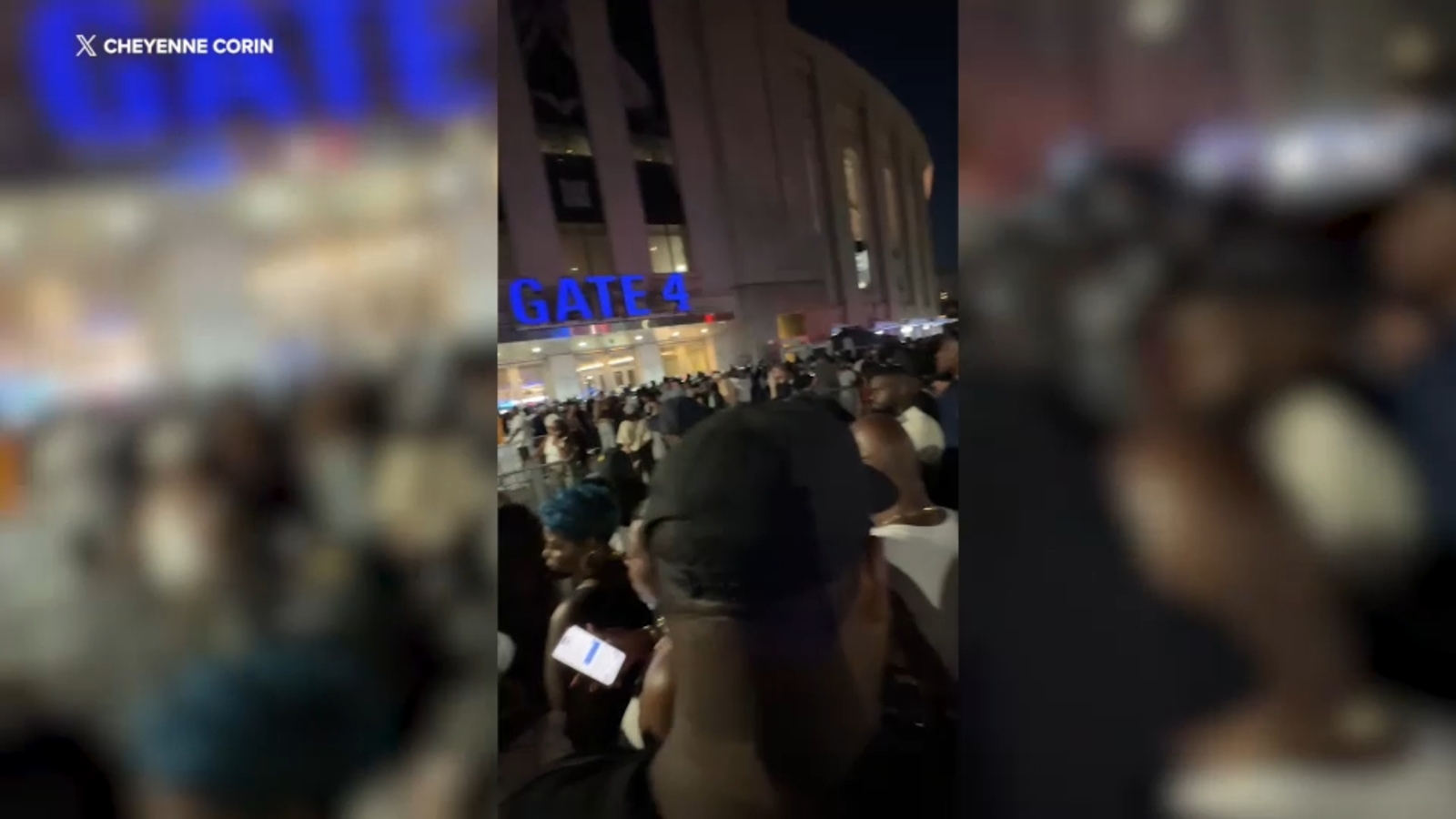
Fans showed up for a major night and got a long wait instead. The Jay-Z Yankee Stadium concert delay left many people annoyed, confused, and stuck outside or inside the venue with little clear information for hours. That matters because a live show is not just a ticket purchase. It is transportation, child care, parking, food, and a whole evening built around one start time. When the schedule slips badly, the cost lands on the audience. And people remember that more than the set list. Look, a late show can happen. But a delay this long turns excitement into fatigue, and that changes how fans judge the entire event.
What fans said after the Jay-Z Yankee Stadium concert delay
- Many said they waited for hours without clear updates.
- Some reported frustration with planning and communication.
- The delay changed the mood before the performance even started.
- Fans expected a high-profile production to run with tighter control.
Why the Jay-Z Yankee Stadium concert delay hits harder at a stadium show
Stadium concerts run on a different clock than club shows or theaters. You are moving thousands of people, security teams, vendors, production crews, and transportation all at once. One small problem can ripple fast.
That is why the Jay-Z Yankee Stadium concert delay feels bigger than a simple schedule slip. At a venue like Yankee Stadium, fans build their whole night around a narrow window. If the show starts late, the audience has already spent money and energy before the first song plays. What are fans supposed to do, sit there and guess?
Live event delays are not only about timing. They are about communication, crowd patience, and whether the audience feels respected.
What organizers can learn from a delay like this
Event teams should treat delay management as part of the show, not as a side issue. Clear updates matter. So do frequent status checks, visible staff, and realistic timelines that do not change every 10 minutes.
- Give fans a direct update early, even if the answer is still uncertain.
- Repeat the same message across screens, app alerts, and staff.
- Set expectations for food, entry, and start times before people arrive.
- Train venue staff to answer the same question without mixed signals.
A delay can feel a lot like a traffic jam at a toll booth. Everyone is moving toward the same goal, but one bottleneck slows the whole line. The fix is not magic. It is coordination.
Why communication matters more than excuses
Fans will forgive some things. Weather, technical trouble, and artist logistics happen. But they usually do not forgive silence. The longer the wait, the more people assume the worst.
That is the core lesson from the Jay-Z Yankee Stadium concert delay. If organizers want people to stay loyal, they need to respect their time. A simple, honest update can do more than a polished apology after the fact. And that is especially true for a night built on anticipation.
What this means for future big concerts
Big shows are only getting more complicated. Venues are packed, production demands are high, and fans expect instant updates on their phones. The standard has changed.
Promoters who treat delay planning as optional are taking a risk. The next audience will remember this one. They will check start times, read crowd reports, and think twice before trusting the schedule. That is the real test now, not whether the artist eventually performs, but whether the crowd feels informed while it waits.
A better standard for live events
Fans do not expect perfection. They expect honesty, speed, and basic respect.
If you are running a show this size, that should be the minimum. The next time a stadium concert slips by hours, will organizers finally speak up fast enough to keep the crowd from turning on the night?