Jensen Huang AI Fears: What Nvidia’s CEO Gets Right
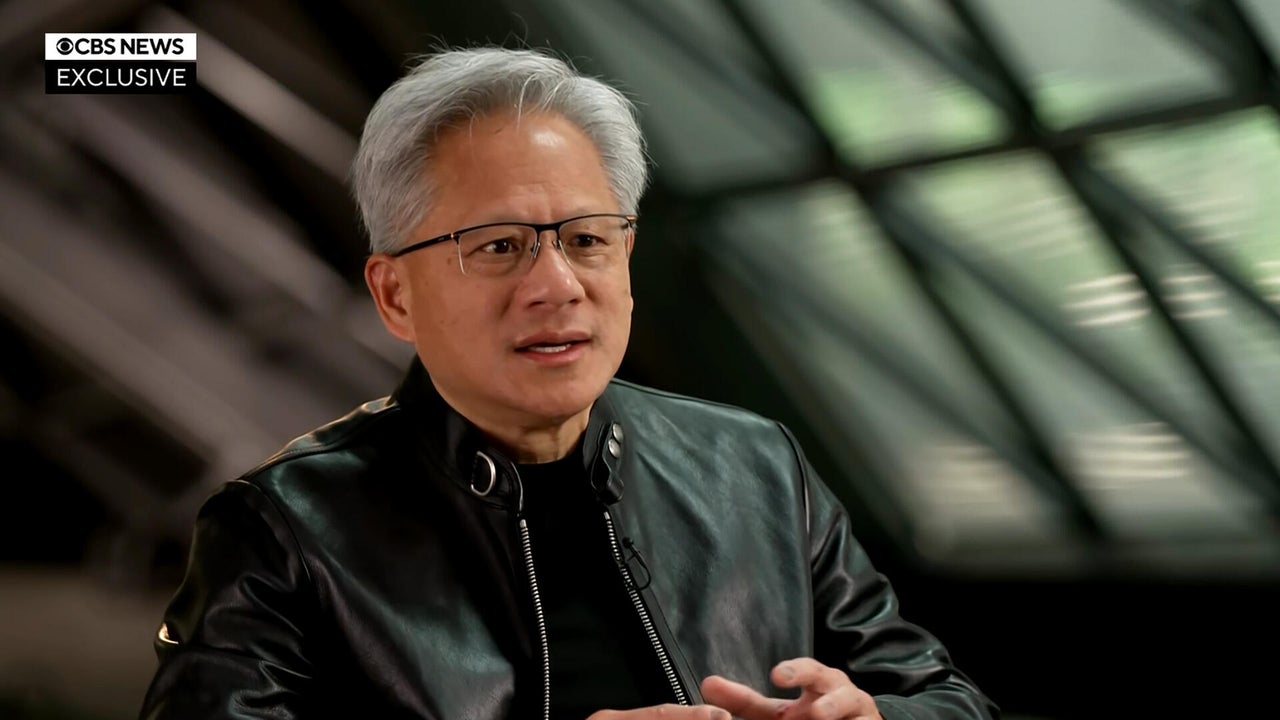
Your team is being told two things at once: AI will change every job, and AI may wipe out whole categories of work. That tension is why Jensen Huang AI fears matter right now. The Nvidia CEO, whose company sits at the center of the AI boom, told The Verge that many worries about AI are overblown. He is partly right. Panic rarely helps anyone make smart technology decisions. But blanket reassurance has its own risk, especially from the executive selling the shovels in this gold rush. If you run a company, manage a team, or just want to keep your job relevant, the useful question is not whether AI is good or bad. It is more direct: which work changes first, who controls the systems, and what happens when the model is wrong?
What matters now
- Huang’s view is worth hearing because Nvidia powers much of the current AI buildout.
- His optimism should be weighed against Nvidia’s commercial stake in faster AI adoption.
- Near-term job change is more likely than instant mass replacement, based on research from Goldman Sachs and the International Labour Organization.
- Companies need AI governance before they scale AI into customer service, coding, finance, legal, or HR workflows.
Why Jensen Huang AI fears are not the whole story
The Verge reports that Huang sees public anxiety around AI as overstated. That fits his long-running view that AI will act like a productivity layer across industries, from software development to drug research. He has also argued that people will still need judgment, taste, and domain knowledge as AI systems become more capable.
Follow the money.
Nvidia has become the defining hardware supplier of the generative AI era, thanks to its GPUs, networking gear, CUDA software, and full-stack data center pitch. That does not make Huang wrong. It does mean readers should treat his comments like they would treat a coach praising a new training method that his own team sells to the league.
Huang is strongest when he pushes back on fantasy doomsday talk. He is weaker when that pushback makes practical workplace risk sound too tidy.
What Huang gets right about Jensen Huang AI fears
Some AI fear is too vague to be useful. Claims that machines will soon replace everyone flatten the difference between tasks, jobs, and industries. A lawyer does not do one thing all day, and neither does a nurse, accountant, marketer, architect, or software engineer.
Generative AI tends to attack repeatable information work first. It drafts, summarizes, classifies, translates, searches, and suggests code. That can save time, but it also shifts the human role toward review, context, and accountability.
Research supports that more mixed view. Goldman Sachs estimated in 2023 that generative AI could expose the equivalent of 300 million full-time jobs to automation, but exposure is not the same as elimination. The International Labour Organization also found that most jobs are more likely to be partly changed than fully automated, with clerical work facing higher pressure.
Where the optimism gets thin
Here’s the thing: exposure still hurts if you are the person whose tasks get compressed into half the hours. Companies do not need full automation to cut headcount. They only need enough automation to change staffing ratios.
That is where cheerful AI talk can become slippery. A customer support team may keep humans in the loop, but one worker might now supervise several AI-assisted queues. A junior analyst may still have a job title, but fewer entry-level tasks may be available for learning the craft (and that pipeline matters).
So who is right? The optimist who says AI helps workers, or the skeptic who says it threatens them? Both, depending on who owns the workflow, who measures quality, and who captures the savings.
How businesses should read Nvidia’s AI message
If you are making buying decisions, do not turn Huang’s confidence into permission to move fast without guardrails. Treat AI like a powerful kitchen appliance in a busy restaurant. It can speed prep work, but a bad setup can still ruin service, waste ingredients, and send the wrong dish to the wrong table.
Before rolling AI into live operations, ask sharper questions:
- Which task is the model doing? Drafting an email is low risk. Approving a loan, diagnosing a patient, or scoring a job candidate is not.
- Who checks the output? Human review must be real, trained, and documented. Rubber-stamp review is theater.
- What data enters the system? Sensitive customer records, source code, contracts, and employee data need clear rules.
- How will you measure failure? Track hallucinations, bias complaints, error rates, time saved, and customer outcomes.
- What happens to workers? If AI saves hours, decide whether those hours go to training, better service, or layoffs. Do not pretend the choice is automatic.
The practical risk is boring, and that is the point
The loudest AI debates tend to orbit extreme scenarios. The more immediate risk is duller: bad procurement, weak oversight, unclear accountability, and executives using AI as a cost-cutting slogan. That is where real damage can pile up.
I have covered enough tech cycles to know that the boring questions usually age best. Who pays for the infrastructure? Who gets sued when the system fails? Who explains the decision to a customer, regulator, or employee?
Nvidia wants a future where every company buys more AI compute. Many companies will. But buying AI capacity is not the same as building AI competence, and that gap is where leaders can make expensive mistakes.
What to do with Jensen Huang AI fears now
Do not dismiss Huang because Nvidia benefits from AI growth. Also do not accept his optimism as a neutral forecast. The smarter move is to separate AI panic from AI risk, then manage the second with discipline.
Start with one workflow where the upside is clear and the downside is contained. Measure the results for 60 to 90 days, keep a human owner accountable, and ask workers what the tool actually changes. The companies that win with AI will not be the ones with the biggest press release. They will be the ones that know exactly where the machine should stop.