Jett Lawrence Split-Screen Pass Analysis
If you follow motocross closely, you already know how fast a race can turn. One small opening, one clean line choice, and the whole pack changes shape. That is why Jett Lawrence split-screen pass moments matter so much. They are not just flashy highlights. They show timing, bike control, and the nerve to commit when everyone else is still thinking.
Riders spend weeks looking for those gaps. Fans see a pass. Teams see risk, speed, and precision under pressure. And in a sport where a fraction of a second can decide the moto, that difference is seismic. What makes a move like this stand out? It is the mix of patience and aggression, like a chess player who also has to keep the throttle pinned.
- Split-screen passes punish hesitation. The rider who commits first usually wins the line.
- Jett Lawrence’s race craft is built on reading traffic early, then acting fast.
- Clean execution matters more than raw speed in crowded sections.
- One pass can reshape momentum for the rest of the moto.
Why the Jett Lawrence split-screen pass matters
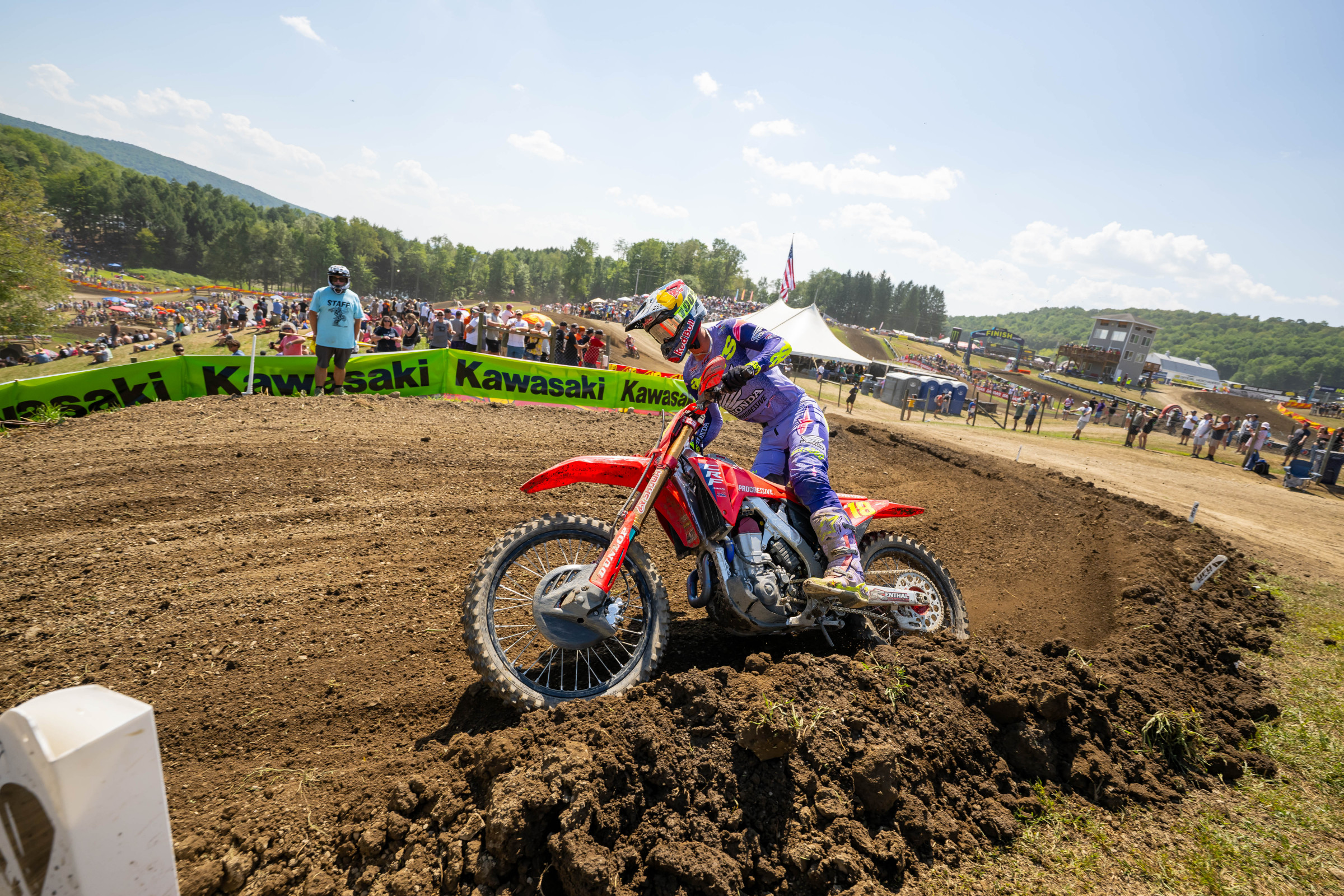
The phrase sounds simple enough, but the move itself is anything but. A split, in motocross terms, means threading a line between riders or into a narrow opening where contact, roost, or braking mistakes can end the attempt. The rider has to judge spacing, traction, and the other rider’s body position in real time.
Jett Lawrence has made a reputation on exactly that kind of decision making. He does not wait for a perfect, open track. He takes the half-chance, then turns it into a full advantage. That is hard to do because the margin is tiny (and the consequences are real).
“The best passes are often the ones that look inevitable only after they happen.”
How a split-screen pass gets set up
Look, these moves are not random. They usually start two or three corners earlier, where the rider positions the bike, saves energy, and forces the leader to defend the wrong line. By the time the opening appears, the attacker is already at the right speed and angle.
- Set the trap. Pressure the rider ahead so they cover the inside or stand the bike up early.
- Hold the drive. Keep momentum through braking bumps or ruts so you do not lose the window.
- Pick the seam. Enter where the lane is narrow but still rideable.
- Finish with control. The pass is only real if you can exit without giving it back.
That is why these passes feel a little like slicing through a crowded kitchen during dinner service. You need speed, but you also need manners. Miss by a few inches and the whole thing falls apart.
What Jett Lawrence does better than most riders
Jett’s edge is not only speed. Plenty of riders have speed. His edge is how quickly he converts a read into a move. He seems to spot the opening before the other rider has finished closing it, which changes the whole exchange.
There is also a calmness to his aggression. He does not look frantic, even when he is attacking. That matters because frantic riders over-brake, drift wide, or lose traction in the exact moment they need the bike to stay planted. Jett keeps the bike compact and the line tidy. That is non-negotiable in tight racing.
The split decision is the real skill
A lot of riders can pass when the door is wide open. Fewer can pass when the door is barely cracked. Jett’s strength is that split-second decision, the one that says go now, not next corner. Why does that matter so much? Because the rider in front usually has the advantage of clean air and control. If you wait, that advantage hardens.
He also benefits from confidence in the bike’s response. If the front end bites and the rear stays settled, he can attack lines other riders would avoid. That is not luck. It is setup, feel, and repetition.
What fans should watch next
If you want to spot this kind of pass live, stop watching only the leader. Watch the second and third riders in a group. The real action often starts there, where one rider is building pressure without showing all of it at once. Then the gap appears, and the move is over before the broadcast team fully calls it.
That is the fun part. The pass looks sudden, but it is usually the result of three quiet laps and one bold choice. Honestly, that is what makes Jett Lawrence so dangerous.
Why this move changes the race story
A clean pass in traffic does more than add one position. It changes rhythm. It can shake a rival’s confidence, open space for the rider behind, and force everyone else to react to you. In a close championship run, that kind of pressure can matter as much as lap time.
Jett Lawrence keeps proving that he understands the full equation. He is not only trying to be faster. He is trying to make the race bend around his line choice. That is a different level of control, and it is why passes like this stick in memory long after the checkered flag.
The next question is simple. If he can keep finding those seams under pressure, who exactly is going to stop him when the track gets tighter and the stakes get higher?