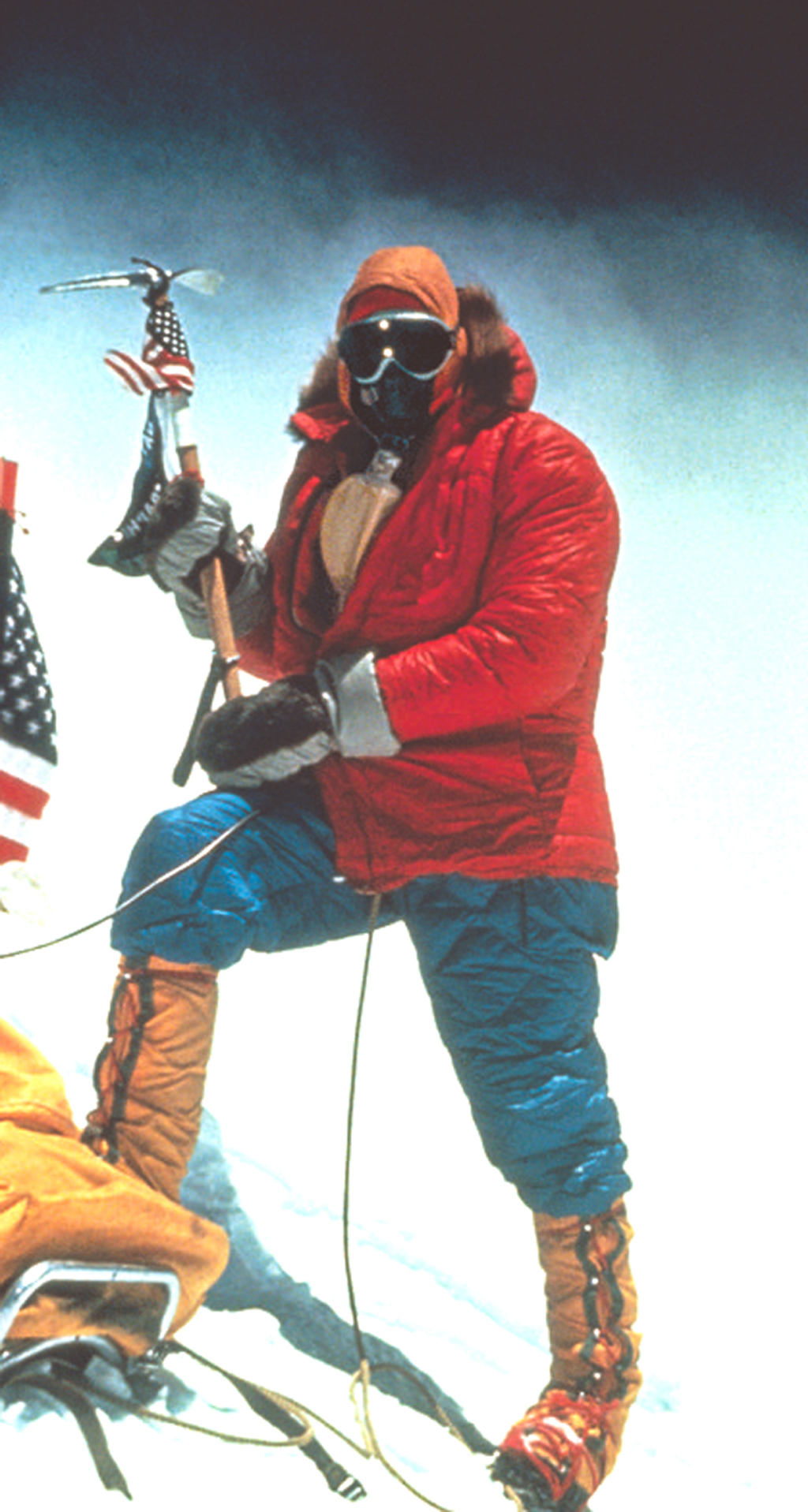
Jim Whittaker’s Summit Legacy and Why It Still Matters
Jim Whittaker, the first American to stand on Everest, died at 97, and his story still feels current. Climbers chase new lines with better gear, but the questions he faced remain: how do you balance risk, grit, and leadership when the air thins? Whittaker’s 1963 climb put American mountaineering on the map, and his later work with Outward Bound pushed more people outdoors. That mix of personal ambition and public service is a blueprint modern adventurers could use. I keep thinking about how he described the summit as both glory and responsibility. The point is not nostalgia. It is about what you do after the summit. And that is the challenge every ambitious climber—and leader—now meets.
Why This Story Hits Hard
- Whittaker’s 1963 Everest summit proved American teams could lead on the biggest stage.
- He turned fame into service through Outward Bound and REI leadership.
- His balance of ambition and stewardship feels urgent in today’s risk-heavy adventures.
- The gear changed, but the mental calculus of exposure and trust did not.
Jim Whittaker and the First American Summit
Back in 1963, Jim Whittaker and Sherpa Nawang Gombu reached the top with oxygen rigs that look primitive next to today’s kit. Yet the decisions were the same: read the weather, trust your partner, manage the clock. The ascent was a clean, disciplined push that inspired a generation. Think of it like baseball fundamentals; the bats and analytics evolved, but hitting the strike zone still wins games.
“Getting to the top is optional. Getting down is mandatory,” Whittaker often reminded younger climbers.
That line still acts as a north star for guides who juggle summit fever against client safety. Why pretend the old lessons expired?
Leadership Beyond the Summit
Whittaker used his platform to grow Outward Bound and steer REI’s early expansion. He knew gear sales and wilderness education had to rise together. That dual focus mirrors how today’s outdoor brands talk about access and safety, yet his execution was quieter and more personal. One sharp paragraph captures it: he built community, then he sold gear that served it.
This single sentence stands alone.
And it lands because you can feel the simplicity behind his choices (no fluff, just intent). Modern founders chasing growth could study that pace.
Modern Climbers: What Should You Take Away?
- Train judgment, not just strength. Whittaker’s success rested on reading the mountain, not on the flashiest rope.
- Pick partners you trust. He climbed with people he could rely on when plans broke, a habit every expedition leader needs.
- Serve after you summit. He reinvested his credibility into outdoor education, a path any pro athlete could mirror.
Here’s the thing: the cultural pressure to post summits can push you into bad calls. Ask yourself a blunt question—would you make the same move without a camera running?
Everest Then and Now
Today’s Everest traffic jams spotlight a different risk: crowd control. Whittaker’s era faced isolation; now you might queue near the Hillary Step. But the mental strain remains. Good teams plan like architects—they design redundancy, test assumptions, and leave margin. The mountain still punishes sloppy drafts.
Keeping the Spirit Alive
Honestly, the cleanest tribute is not another plaque. It is adopting Whittaker’s standard: strong prep, humble execution, generous follow-through. Guides can brief clients with his mantra, educators can weave his story into risk management lessons, and retailers can pair sales with stewardship. Do that, and his summit stays more than a headline.
So what’s your next move—chasing a higher peak or building a stronger team to get there?