JioPC and the Push to Turn Old PCs into AI Machines
Many people still use computers that run fine for email, documents, and browsing. The problem is that those same machines often feel stuck when software gets heavier and AI features arrive. That gap is where mainKeyword matters. If you can extend the life of older hardware without forcing a full upgrade, you save money and delay e-waste. If you cannot, you are left with a shrinking pool of useful devices and a bigger bill.
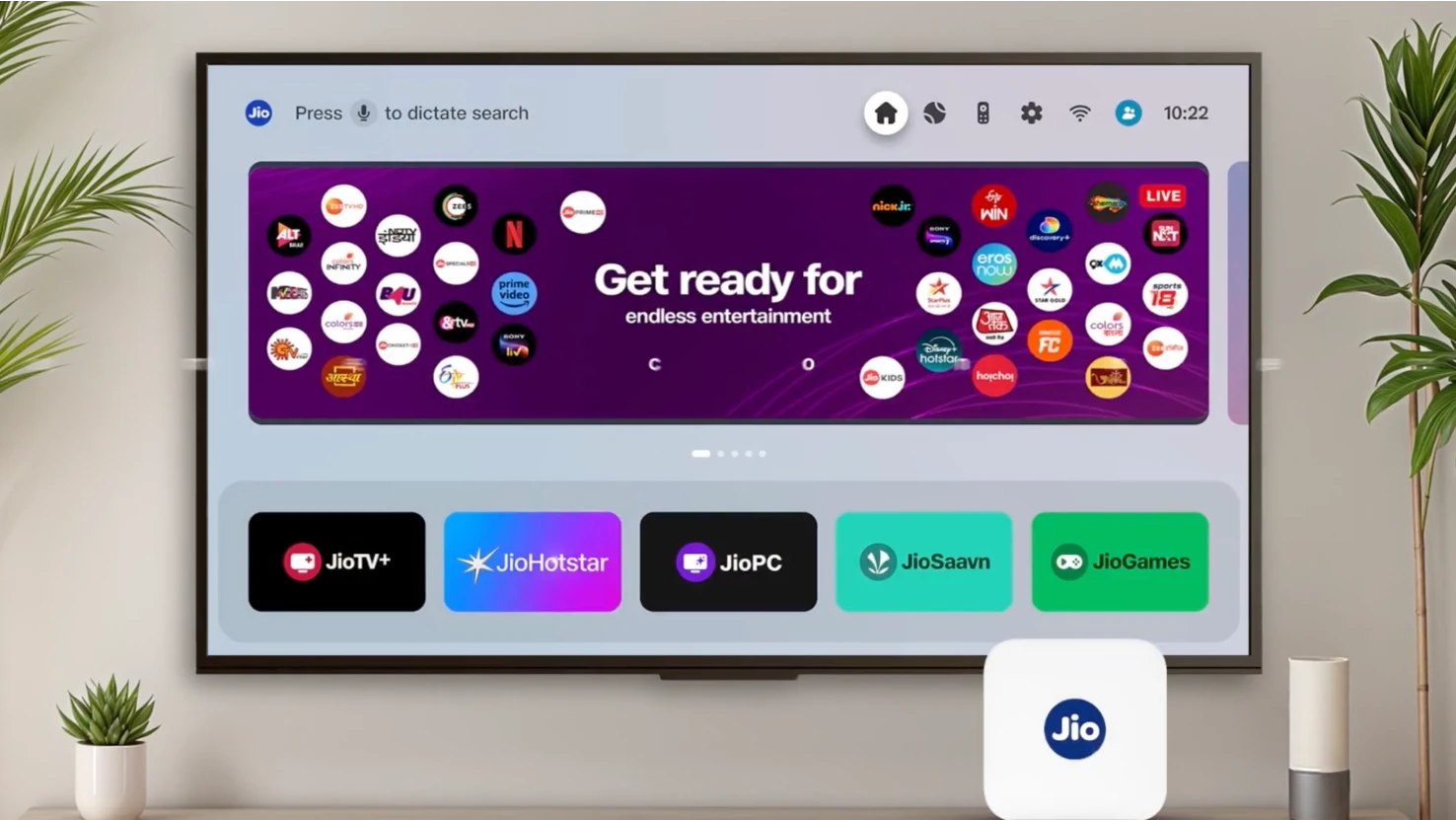
JioPC, the new push tied to Reliance Jio, is trying to answer that exact problem. The idea is simple enough to explain and messy enough to matter in practice. Turn aging computers into AI-ready PCs by leaning on cloud services instead of brute-force local hardware. Sounds neat, right? It is. But the real question is whether this model gives users enough speed, privacy, and reliability to replace a normal upgrade cycle.
What JioPC is trying to change
JioPC is not selling a miracle box that makes weak hardware strong. It is a service-led approach that can let older PCs access more advanced computing through the network. Think of it like a neighborhood kitchen. You still bring your own ingredients, but the expensive oven sits elsewhere.
That matters in markets where millions of devices are technically usable but too old for modern AI workloads. Instead of asking people to buy a new laptop every few years, the pitch is to keep the device and move the heavy lifting offsite. For households and small businesses, that can be a real budget release valve.
The appeal is plain. If AI features become a cloud service, older hardware stays relevant longer. That is a much less flashy story than a new chip launch, but it may be the one that reaches more people.
Why this matters for the mainKeyword debate
The mainKeyword debate is really about who gets access to AI and who pays for it. Right now, a lot of AI marketing assumes you need a fresh machine with a neural processing unit, lots of RAM, and a recent chip. That cuts out a huge base of users.
JioPC challenges that assumption. If the service can deliver decent performance over ordinary broadband, it lowers the entry bar. If it depends on perfect connectivity, then the promise gets shaky fast. And that is the catch. Cloud-first computing looks elegant on paper, but real users live with patchy Wi-Fi, shared networks, and crowded connections.
Where the model could work
- Schools and training centers with limited upgrade budgets.
- Small businesses that mainly use office apps, web tools, and light AI features.
- Households that want to stretch the life of a desktop or laptop by another few years.
- Regions where new hardware is expensive relative to income.
Where it may struggle
- Users who need low-latency performance for editing, design, or gaming.
- Places with unstable internet or weak upload speeds.
- Organizations with strict data handling rules.
- People who want offline access as a default, not a fallback.
Can cloud AI really rescue old PCs?
Yes, sometimes. But only for the right jobs. Cloud computing can make an older machine feel younger, much like replacing a worn engine part can keep a car on the road. It does not turn a ten-year-old sedan into a racing car. It just keeps it moving.
The same logic applies here. If the workload is mostly text generation, web apps, search, or assistant-style tasks, cloud processing can help a lot. If the workload needs fast local rendering or constant offline access, the limits show up quickly. That is why any serious rollout needs honest performance testing, not just glossy claims.
What should you look for? Start with response time, stability under load, and data handling rules. If those three are weak, the rest is window dressing.
What businesses should ask before they buy in
Companies love the idea of stretching hardware budgets. Fair enough. But a lower upfront cost can hide a higher operating cost if subscriptions, bandwidth, or support add up.
- Measure the use case. Is this for docs and email, or for heavier creative work?
- Check network quality. Slow internet will erase the value fast.
- Review security controls. Ask where data lives and who can access it.
- Compare total cost. Include service fees, support, and any upgrade path.
- Pilot first. Test with a small group before a wider rollout.
That last step is non-negotiable. A pilot tells you more in two weeks than a slide deck will in two hours. Honestly, it is the difference between strategy and wishful thinking.
Why this could shape the next PC cycle
Big hardware makers have spent years telling buyers that AI means replacement. JioPC flips that script. It says the future may be a mix of local devices and remote intelligence, with the value sitting in the service layer rather than the silicon.
That is not a small shift. It could pressure PC vendors to support longer lifecycles, rethink software bundling, and price upgrades more carefully. It could also give cost-sensitive buyers a stronger hand. Why replace a machine that still works if the cloud can fill the gaps?
Still, the winning model will need trust. If users feel locked into a service, or if performance drops at peak hours, they will walk away. The next few product cycles will show whether JioPC becomes a practical option or just another smart-sounding pitch. I would watch the real-world latency numbers first. Everything else comes after.