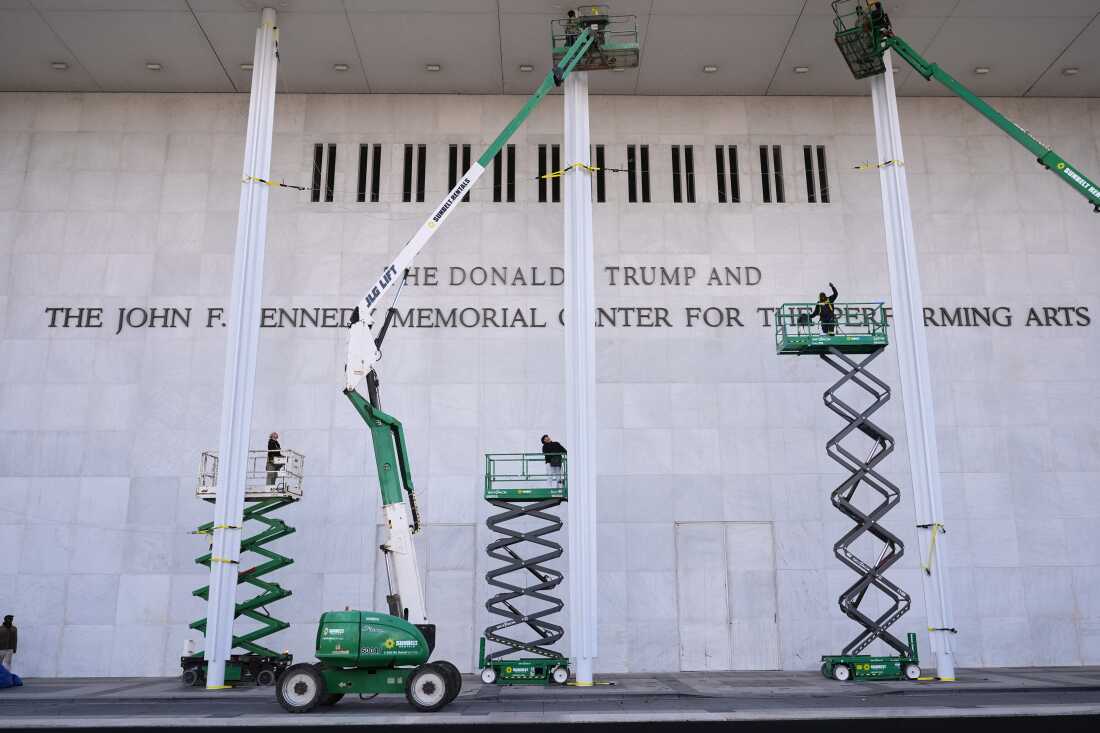
Kennedy Center Trump Name Fight Explained
The kennedy center trump name dispute is not a side story. It is a fight over who gets to shape a national arts institution, and what kind of political pressure public-facing cultural sites can withstand. The issue matters now because naming rights are never just about signage. They signal power, funding, and control. They also tell donors, lawmakers, artists, and the public who the institution thinks it serves.
Look, this kind of clash can look ceremonial from far away. It is not. A name on a building works like a headline on a front page. It frames the whole story before anyone walks in. So when the Kennedy Center doubles down on the fight to restore Trump’s name, you are seeing a larger battle over legacy, patronage, and institutional independence. Why should one name cause such a political scramble? Because names shape memory, and memory shapes leverage.
What the Kennedy Center Trump Name fight is really about
- Brand control: the name attached to a venue affects how the public reads its mission.
- Political symbolism: restoring or removing a name sends a message about who holds influence.
- Institutional autonomy: arts organizations do not want to be treated like campaign billboards.
- Donor confidence: naming fights can change how contributors view governance.
The Kennedy Center sits in a strange place. It is a cultural venue, but it also sits inside a political ecosystem because federal funding, board appointments, and public scrutiny all collide there. That mix makes the current dispute especially tense.
Why the Kennedy Center Trump Name issue keeps resurfacing
These fights rarely die cleanly. A name can be removed from a plaque, but the argument behind it stays alive in press releases, donor circles, and political commentary. The Kennedy Center Trump Name issue keeps coming back because it touches a raw question. Should a major arts institution reflect current political power, or resist it?
Here is the thing. If you let politics decide names too easily, every leadership change becomes a redecorating project. That is bad for stability. But if you ignore public accountability entirely, you risk turning a national institution into a private club with a velvet rope.
Names are not neutral. On a public institution, they work like a public contract. Break that contract, and people notice.
What this means for arts policy and public institutions
This fight is bigger than one building in Washington. It is a test case for how public institutions handle identity under pressure. The Kennedy Center is a useful example because it sits at the intersection of government, donors, and performance culture (a mix that can turn any board meeting into a food fight).
Three practical lessons
- Governance rules matter. If naming decisions are vague, political actors will fill the gap.
- Transparency lowers drama. Clear criteria for honors and reversals reduce backroom bargaining.
- Symbolism has real costs. Artists, audiences, and donors react to signals faster than institutions expect.
This is why cultural institutions need firmer policies than they often have. A naming policy should be as clear as a ticket policy. If it is not, conflict is almost guaranteed the next time the board changes hands.
How readers should think about the Kennedy Center Trump Name debate
Do not treat this as a trivia fight about a plaque. Treat it like a stress test for institutional credibility. If the Kennedy Center can be pushed around on something this visible, what happens on less visible decisions, like programming, appointments, or donor influence?
And that is the part worth watching. Not the headline. The precedent.
For now, the smartest question is not whether the name comes back. It is whether the institution can set rules strong enough that the next naming battle does not play out like a partisan cage match.