King Charles US Royal Tour: What It Signals
If you are trying to make sense of the reported King Charles US royal tour, the real question is not who shakes hands with whom. It is what the visit is meant to achieve. Royal tours are soft power exercises, and timing matters. A US trip by the King would land in a tense political climate, under a harsh media spotlight, and against a wider debate about the monarchy’s role abroad. That makes every detail count, from city choices to guest lists to which causes get top billing.
Look, palace trips are never just ceremonial. They are planned like diplomatic operations with better tailoring. And if this visit moves ahead, it will be judged on whether it strengthens the UK’s image in America without drifting into partisan territory.
What matters most
- The King Charles US royal tour is about soft power, not pageantry alone.
- Every stop will send a message about UK-US ties, culture, and political balance.
- Climate, youth, veterans, and community work are likely themes because they fit Charles’s long public record.
- The biggest risk is domestic US politics swallowing the visit whole.
Why the King Charles US royal tour matters now
The monarchy’s foreign role has narrowed over time, but it still carries weight. Royal visits can open doors, calm nerves, and keep relationships warm when elected leaders are busy fighting over harder issues like trade, security, and defense spending. That is the basic logic here.
But America is a different stage. It is friendly, fascinated by royalty, and deeply political at the same time. That mix can turn a careful visit into a noisy culture-war prop in a single news cycle. So why bother? Because the upside is real if the palace keeps the message disciplined and human.
Royal tours work best when they feel personal on the surface and strategic underneath.
Think of it like a state dinner crossed with a campaign bus route, except the job is to avoid sounding like a campaign at all.
What would a successful King Charles US royal tour look like?
Success would not mean viral clips or giant crowds. Those are side effects. A strong tour would do three things well.
- Reinforce UK-US trust. The King cannot negotiate policy, but he can frame shared values around service, civic duty, and long-term alliance.
- Highlight credible causes. Charles has spent decades talking about the environment, architecture, farming, and interfaith dialogue. Leaning on those themes would feel grounded, not opportunistic.
- Stay above the partisan brawl. That sounds obvious, yet it is the non-negotiable test in the US.
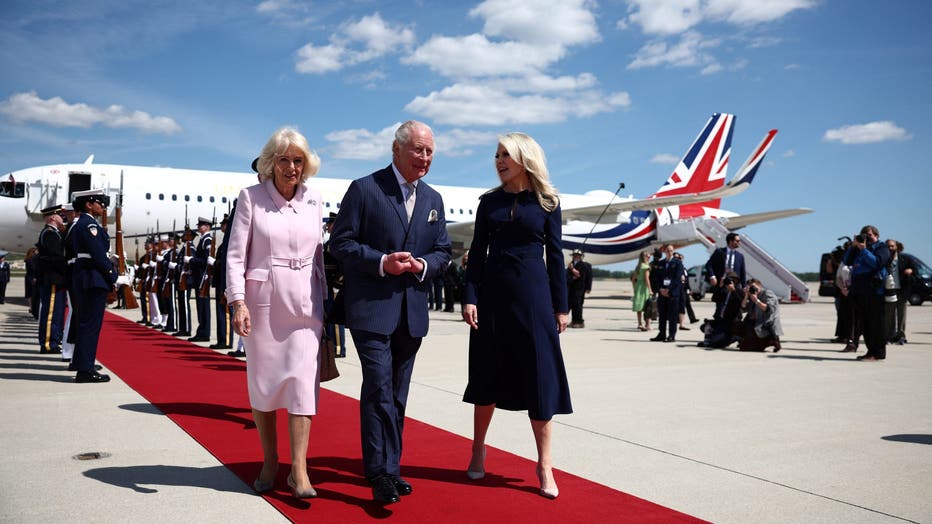
One photo can set the whole tone.
And that is why itinerary design matters so much. A stop at a climate research center says one thing. A high-gloss celebrity gala says another. The palace will know the difference, and so will critics.
Likely themes and symbolism to watch
Climate and conservation
This is the clearest lane for Charles. He was speaking about environmental stewardship long before it was fashionable, and long before many politicians wanted to hear it. A US visit that includes coastal resilience, sustainable agriculture, or urban conservation would fit his record cleanly.
Veterans and public service
These events travel well politically because they feel shared rather than divisive. They also connect the monarch to continuity and duty, which is still the crown’s strongest brand asset.
Faith and community ties
Charles has long shown interest in interfaith work. In the US, that can be framed around local community leadership, disaster recovery, or neighborhood institutions that hold people together.
Younger audiences
The palace also has a relevance problem. That is not a scandal. It is a fact. If younger Americans are part of the audience, expect less stiff symbolism and more focus on education, volunteering, and local innovation (without trying too hard to seem trendy).
Where the trip could go wrong
Honestly, the list is not short. Royal tours succeed on message control, and America is bad for message control. The media market is fast, fragmented, and hungry for conflict.
- Partisan optics. If one event looks like an endorsement of a faction, the rest of the tour gets dragged with it.
- Overproduction. Too much spectacle can make the visit feel shallow or dated.
- Mismatch with public mood. If the tour looks expensive or insulated during a rough economic spell, criticism comes fast.
- Old debates returning. Questions about the monarchy, empire, race, and relevance will not disappear because the backdrop looks polished.
Here’s the thing. None of these risks are new. But they hit harder in the US because the press and public tend to flatten nuance into simple camps, and royal households rely on nuance for survival.
What the palace planners are probably thinking
Veteran royal watchers know these visits are built from the middle out. Not from the top down. The grand set pieces get attention, but the trip lives or dies on smaller calls about venue, local partners, briefing lines, and which images lead the evening broadcasts.
Expect planners to test each stop against a few basic questions:
- Does this connect to the King’s established interests?
- Can this be read as bipartisan or civic rather than political?
- Will local hosts add credibility?
- Is the symbolism clear in one sentence?
That last point matters more than people admit. If an event needs a long explanation, it is already in trouble.
How the media will frame the King Charles US royal tour
Different outlets will tell different stories. Some will focus on diplomacy. Others will chase personality, family dynamics, cost, protest, or comparisons with earlier royal visits. That is standard.
But the sharper framing battle will be about relevance. Does the monarchy still carry practical value abroad, or is it surviving on inherited attention? That is the live question beneath the photos and motorcades, and it will shape coverage more than any single speech.
My view? The crown still has soft power, but only when it acts with restraint. The minute it looks self-congratulatory, the spell breaks.
What readers should watch when details emerge
If you want to judge the tour like an insider, do not get stuck on celebrity sightings or crowd size. Watch the structure.
- Which cities make the cut. They will reveal the political and cultural thesis of the visit.
- Which causes get repeated. Repetition shows the real message, not the decorative one.
- Who appears alongside the King. Civic leaders, veterans, scientists, clergy, and local organizers all signal different priorities.
- How protests are handled. Calm acknowledgment tends to work better than defensive silence.
- Whether the coverage stays on substance. If gossip dominates, the tour probably missed its mark.
What comes after the headlines
A King Charles US royal tour will be sold through symbolism, but it should be judged by discipline. Did it project steadiness? Did it fit the King’s actual record? Did it help the UK look thoughtful and engaged rather than nostalgic and overproduced?
That is the standard. And if the palace gets it right, the trip could still show that monarchy has a use in modern diplomacy. If it gets it wrong, Americans will enjoy the pictures and forget the purpose. Which outcome would tell you more about the state of the crown?