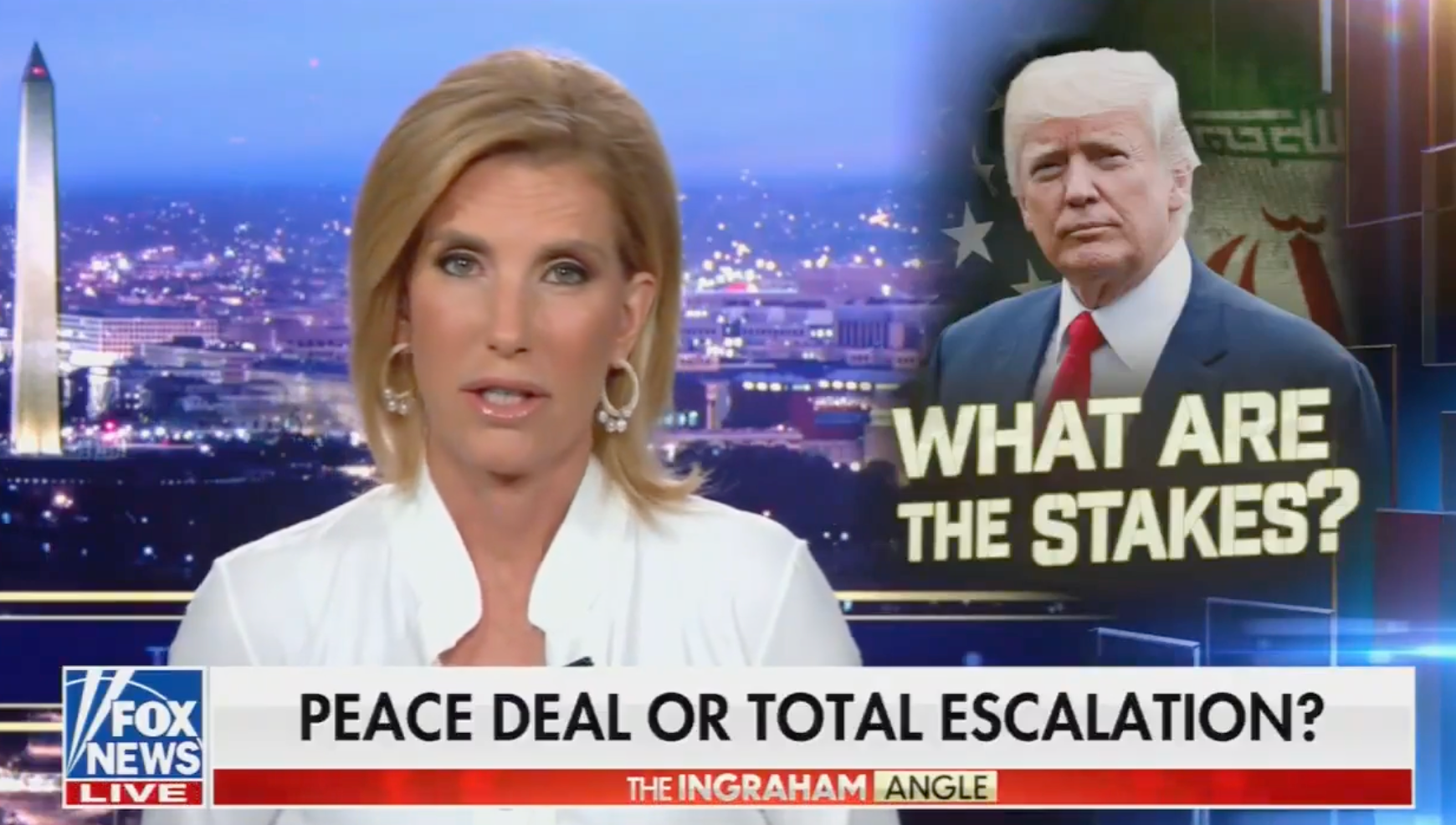
Laura Ingraham Challenges Trump’s Iran Talk and What It Signals for GOP Foreign Policy
Conservative host Laura Ingraham openly questioned Donald Trump’s recent comments about Iran, a move that shows how divided the party remains on foreign policy. The mainKeyword here is Laura Ingraham Trump Iran, and it matters because GOP voters are watching to see who sets the tone on deterrence, alliances, and talk-versus-action. You want clarity on whether Trump’s off-the-cuff style matches the stakes of a nuclear-curious adversary. And you want to know if media allies will still press him when his answers wobble. This debate is not academic. It shapes how the United States signals strength, protects troops in the region, and keeps oil markets calm.
Highlights You Can Use
- Ingraham pressed Trump on Iran, breaking from the usual friendly framing.
- The exchange spotlights the GOP’s split on deterrence and deal-making.
- Voters now see conservative media testing Trump’s foreign policy claims.
- Signals to allies and oil markets hinge on how this debate resolves.
- Expect more hosts to demand specifics over slogans.
Why Laura Ingraham Trump Iran Matters Right Now
I’ve covered this beat long enough to spot when a talking point cracks. Ingraham’s pushback shows that even loyal outlets want more than bravado when missiles are in play. The question is simple: do words alone deter Tehran? Or do they invite misreads that put troops at risk?
Think of it like football clock management. You can talk big in the huddle, but if you burn timeouts early, the defense adjusts and you’re trapped. Iran is that defense. They study gaps, probe for hesitation, and punish sloppy play.
“Strong words without a plan are just noise,” I wrote in my notebook while replaying the segment. It still stands.
How the Interview Tested Trump’s Foreign Policy Pitch
Ingraham asked for specifics on Iran’s nuclear posture and regional proxies. Trump offered broad assurances, but little about timelines or red lines. That gap matters to voters who remember the Quds Force strikes and want to know what comes next.
For years, pro-Trump hosts treated these chats as friendly scrimmages. This felt closer to a real game, with someone finally keeping score.
MainKeyword in Media Feedback Loops
When a top Fox personality challenges Trump on Iran, it tells the audience that foreign policy deserves scrutiny, not just applause lines. It also signals to congressional Republicans that hedging on Iran could carry a political cost.
Single-sentence paragraph.
What You Should Watch For Next
- Follow-up interviews that press Trump on deterrence specifics and alliance commitments.
- Statements from GOP lawmakers who either back Ingraham’s skepticism or sidestep it.
- Reactions from Israeli and Gulf partners, because their intel briefings will shape U.S. choices.
- Any shift in polling on voter trust in Trump’s handling of Iran.
Here’s the thing: foreign policy voters have long memories. If Trump keeps skating past details, more hosts will fill the gap with their own pointed questions.
Where This Leaves Conservative Media
Conservative outlets now face a choice between amplification and interrogation. That choice influences public trust. And it will shape whether foreign policy talk on air resembles a cooking show—measured ingredients, clear steps—or a loud kitchen with no recipe.
Do you want rhetoric, or do you want a plan?
Looking Ahead
I expect more on-air stress tests of Trump’s Iran stance. That is healthy. It keeps candidates honest and gives you the facts you need before the next crisis hits.