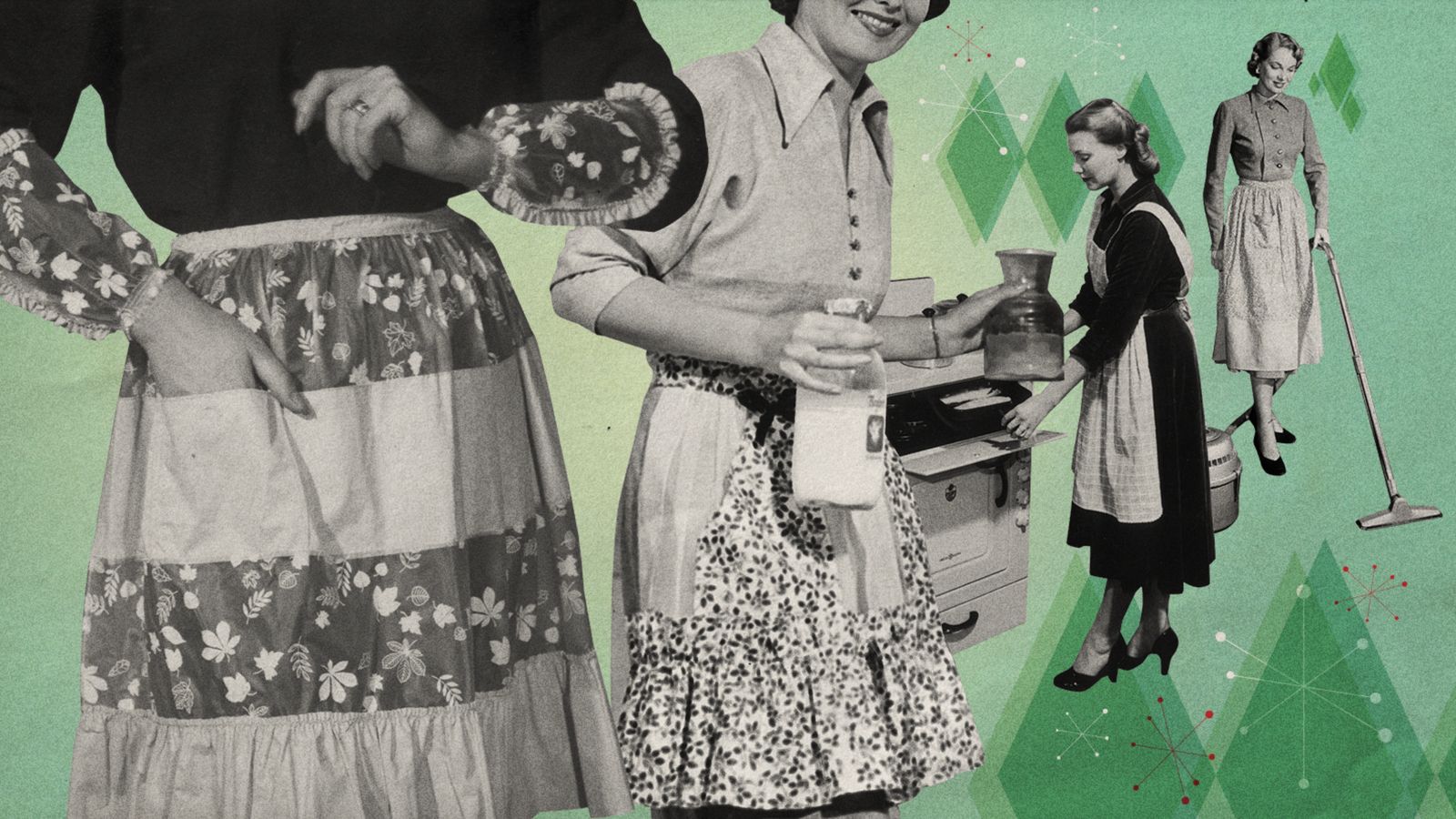
Leslie Jones Calls Out the Tradwife Movement’s Dark Nostalgia
Readers keep asking why the tradwife movement is suddenly everywhere and whether the online cottagecore fantasy hides something sharper. You see creators on TikTok baking sourdough and pledging submission, then comedians like Leslie Jones blast the trend. That clash matters because social platforms reward romanticized gender roles just as real households juggle debt, childcare gaps, and workplace inequity. When Jones tells audiences the tradwife movement reeks of selective history, she taps a nerve: whose comfort gets prioritized, and who is asked to disappear? You deserve a clear read on the stakes before another viral video tries to sell you a lace apron.
Why This Story Hits Home
- The tradwife movement packages obedience as empowerment while ignoring economic reality.
- Leslie Jones skewers the nostalgia, pushing viewers to question who benefits.
- Social platforms amplify tidy fantasies and bury messy truths about labor and agency.
- Modern families face rising costs that make single-income dreams a privilege.
Tradwife Movement Hype Meets Hard Numbers
I have covered internet culture long enough to spot when a trend leans on edited memories. The tradwife movement leans on a 1950s snapshot without the smoke, debt, or limited rights. Average childcare in the U.S. now tops four figures a month in many cities. Single incomes rarely stretch that far. And before anyone romanticizes stay-at-home scripts, remember that women’s labor force participation fuels household resilience. A sports team would never bench its strongest players during a tight season. Families operate the same way.
“People want the fantasy, but they forget the price tag,” Jones told her audience, with the kind of barbed clarity only a seasoned comic delivers.
Social feeds reward that fantasy because it is easy to film and easy to sell. But do those reels reflect your reality?
Leslie Jones vs. Tradwife Movement Narratives
Jones has made a career out of puncturing hype. Here, she points at how the tradwife movement erases the grind that kept many past-era households afloat. She reminds viewers that Black women and working-class women were excluded from that supposed golden age. That omission is not a footnote. It is the core flaw. When creators sidestep race and class to sell floral dresses, they push a filtered history that never existed. The comedian’s critique lands because it is grounded in lived memory, not a Pinterest board.
One sentence matters here.
Agency, Not Aesthetic
Look, choosing to stay home can be valid when it is truly a choice backed by financial cushioning and mutual respect. The problem is when platforms frame submission as the only path to femininity. That pressure shows up in comments telling women they are selfish for wanting careers. That is not empowerment. That is control dressed up in gingham.
How the Tradwife Movement Hooks Viewers
The tradwife movement thrives on soft lighting and tight edits. Here is the thing: algorithms favor predictable content. The recipe video with compliant smiles wins the feed. And yet real life is noisy. Kids spill cereal. Parents argue over bills. That dissonance keeps viewers chasing an unattainable calm. It is the same trick cooking shows use when they skip the dirty pans. The kitchen smells great on screen because the mess is out of frame.
- Visual comfort: Pastel palettes and slow music lower your guard.
- Selective history: References to “simpler times” rarely mention blocked career paths.
- Influencer incentives: Engagement rises when conflict is hidden and roles are rigid.
Where the Tradwife Movement Ignores Reality
But what about dual-income households that keep the lights on? What about single parents? The movement’s scripts leave them out. That gap creates shame for people doing their best in a high-cost economy. Economists note that households with two earners build savings faster and weather layoffs better. Ignoring that data is not quaint. It is risky. Even the promised serenity of one-income living collapses when medical bills hit.
Health, Safety, and Power Dynamics
Critics like Jones also point to safety. When one partner controls income, they often control mobility and decisions. Financial independence is not a luxury. It is a protective layer. Domestic violence advocates cite income control as a common tool of abuse. Fans of the tradwife movement rarely address that. They should.
Tradwife Movement Alternatives That Respect Choice
You can appreciate homemaking skills and still value economic agency. Couples can divide labor without reviving 1950s gender scripts. Try swapping roles weekly, or split financial planning so both partners understand the budget. This is less about rejecting baking and more about rejecting forced obedience. And yes, you can still enjoy sourdough without posting it.
What Leslie Jones Gets Right About the Tradwife Movement
Jones centers the conversation on who loses when nostalgia sets the rules. Her pushback is not anti-family. It is pro-choice. By mocking the aesthetic, she invites viewers to ask hard questions about unpaid labor and erased history. That tension makes the tradwife movement worth covering, not for its lace, but for its implications.
Next Steps for Curious Viewers
If you still find the tradwife movement appealing, stress test it against your finances and values. Talk with your partner about career goals. Consider childcare costs and retirement savings. Ask yourself whether the appeal comes from genuine preference or online pressure. If the answers wobble, pivot before the fantasy hardens into expectation.
Where This Goes From Here
Family models keep evolving, and online trends will chase clicks. The smart move is to guard your agency and question any ideology that asks you to shrink. Will the tradwife movement fade or harden into a niche cult? That depends on whether viewers keep sharing the fantasy or start demanding the full picture.