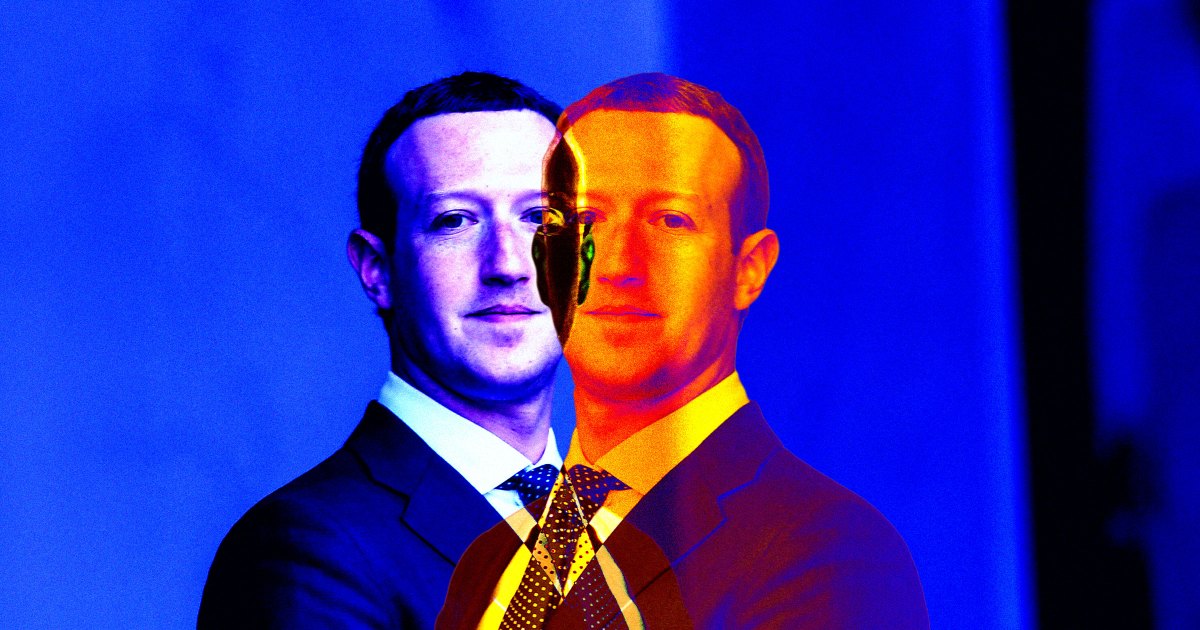
Meta keeps pushing AI into every corner of its products, and the Mark Zuckerberg AI clone is the clearest sign yet that the company wants synthetic identity to feel normal. The pitch is simple. A CEO avatar can speak, demo, and answer questions without a human in the loop. But the real story is bigger. Meta is testing how far people will go in accepting a machine that looks and sounds like a known person, especially when that person is also the company’s public face. That matters for trust, for product design, and for the rules that will govern AI likenesses. If a founder can be cloned into a chatbot, what stops every brand from doing the same?
What stands out
- Brand control: Meta can keep a polished version of its founder on message around the clock.
- Trust test: A familiar face makes AI feel safer, but it can also hide how synthetic the system is.
- Business model: The same playbook could move from executives to creators, support teams, and advertisers.
- Policy pressure: Consent, disclosure, and likeness rights become harder to ignore.
What the Mark Zuckerberg AI clone actually changes
This is not just a stunt. It is a signal about what Meta wants people to accept. If a synthetic Zuckerberg can stand in for the real one, then a synthetic salesperson, creator, or support rep starts to look normal too. That is a big shift, because once the public gets used to one well branded clone, the next one feels less strange. It works like a stage manager swapping in a digital understudy. The show keeps moving, and the audience pays attention to the brand more than the person.
The point is not novelty. It is control. If Meta can make a synthetic CEO feel routine, it can make every other AI face feel routine too.
And that leads to the harder question. If a clone can handle product demos and PR, who is accountable when it improvises?
Why the Mark Zuckerberg AI clone matters for trust
Trust is the real product here. Users already struggle to tell what is generated, edited, or human, and a familiar face lowers their guard. That is useful for engagement, but it also raises the cost of deception (which is the point). A clone can be helpful and misleading at the same time. Meta knows that, and so do regulators who are watching disclosure rules get tested in real time.
Consent is the whole game.
- Who approved the likeness: The person, the company, or both?
- What the clone is allowed to say: A narrow demo is one thing. Open-ended chat is another.
- How clearly it is labeled: Users need to know when they are talking to a synthetic persona.
Where this goes next
The Mark Zuckerberg AI clone is a preview of a broader market, not a one-off experiment. Once a company proves it can clone its own leader, it becomes easier to sell the idea to brands, creators, and customer service teams. That is where the pressure will land. Not on whether the technology works, but on whether people will tolerate it in daily use. The next test for Meta is simple. Can it make an AI double that feels useful without making the whole thing feel slippery?