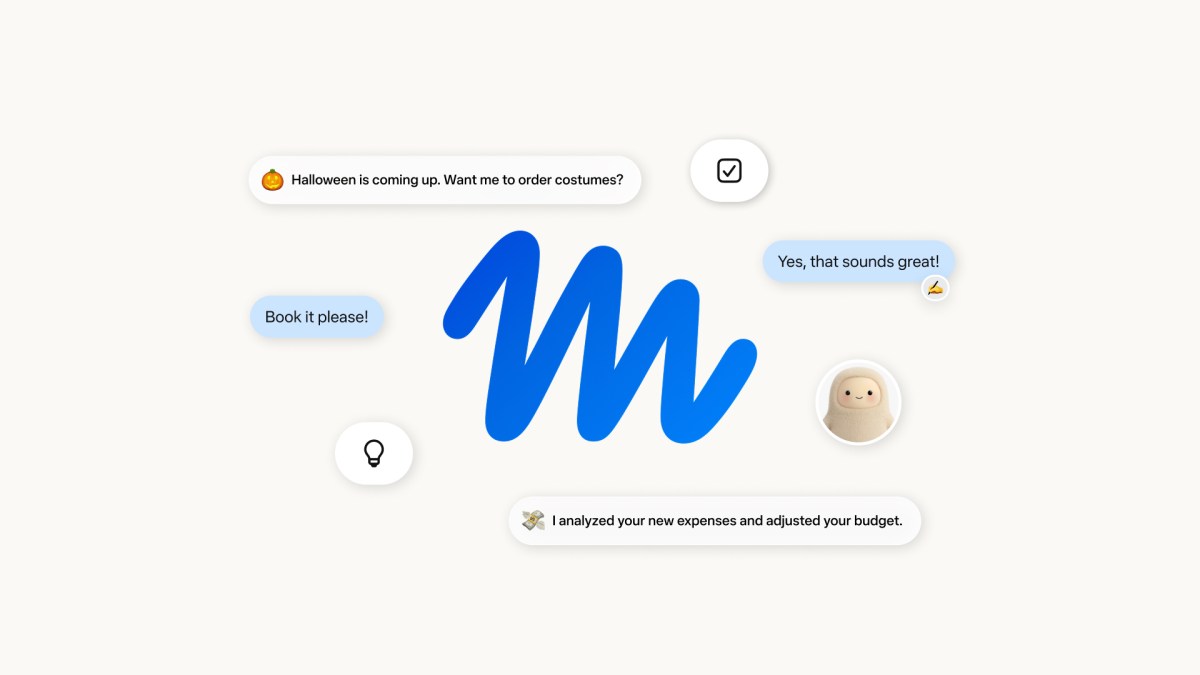
Meta AI Agent Muse: The Catch-Up Bet
You can feel the pressure on Meta. OpenAI owns the chatbot mindshare, Google has Gemini baked into search and Android, and Anthropic has become the careful enterprise pick. Now, according to The Verge, the company is betting on Meta AI agent Muse as part of its push to regain ground in the AI race. That matters because Meta has something most AI labs do not have, which is daily access to billions of people across Facebook, Instagram, WhatsApp, Messenger, and smart glasses. The hard part is turning that reach into a useful assistant rather than another feature people ignore. Muse appears to sit inside that wider agent strategy, where AI does tasks for you instead of waiting for prompts. If Meta gets this right, the company could make AI feel less like a separate app and more like a layer inside your social life.
What Matters Right Now
- Meta AI agent Muse points to a broader shift from chatbots toward task-based AI agents.
- Meta’s edge is distribution, especially across WhatsApp, Instagram, and Ray-Ban Meta smart glasses.
- The risk is trust. An agent that acts inside your accounts needs clear controls and visible limits.
- Meta is still chasing OpenAI, Google, and Anthropic on perception, even if it has strong AI research roots.
Why Meta AI Agent Muse Is More Than Another Chatbot
The most useful way to read Muse is as a signal. Meta does not need one more chatbot that answers trivia and writes captions. It needs an agent that can sit close to your messages, posts, purchases, photos, and plans, then take action without making a mess.
That is a higher bar than answering a question. A chatbot can be wrong and annoying. An agent can be wrong and expensive, embarrassing, or invasive. If Muse is part of Meta’s next AI push, the product challenge is simple to state and hard to solve. Can it help without feeling like a stranger rummaging through your kitchen drawers?
The agent race will not be won by the model with the flashiest demo. It will be won by the product that earns enough trust to touch real tasks. That is where Meta’s advantage and its baggage collide.
The Meta AI Agent Muse Strategy: Distribution First
Meta has lost plenty of AI headlines, but it has not lost distribution. That matters. ChatGPT became a habit because it was useful and easy to reach. Meta can put AI in front of users inside apps they already open every day.
Look at the map. WhatsApp gives Meta a private messaging surface. Instagram gives it creators, shopping, and visual search. Facebook still has groups, marketplace behavior, and older users with practical needs. Ray-Ban Meta glasses add voice, camera input, and hands-free use. For an AI agent, that is like a soccer team with elite field position. The ball starts near the goal.
That is the real bet.
Where Meta AI Agent Muse Could Actually Help
Meta should resist the urge to make Muse feel like a magic button for everything. Users do not need vague promises. They need small wins that save time, reduce friction, or make social apps less chaotic.
- Message help: Summarize long WhatsApp threads, draft replies, and pull out dates, names, or action items.
- Creator workflows: Turn a rough idea into a post plan, caption options, Reels concepts, or audience-specific edits.
- Shopping support: Compare products from Marketplace or Instagram shops and flag missing details before you buy.
- Event planning: Help coordinate group chats, pick times, suggest locations, and send reminders.
- Smart glasses tasks: Answer questions about what you are seeing, save notes, or start a message by voice.
None of those ideas sound seismic on their own. That is fine. Useful AI often wins through repeatable chores, not theatrical demos. If Muse can handle five small tasks with low error rates, it will matter more than a dazzling launch video.
The Trust Problem Meta Cannot Dodge
Here’s the thing. Meta’s agent strategy runs straight into its history with data, privacy, and ranking incentives. An AI agent inside Meta apps could be handy, but users will ask fair questions about what it sees, what it remembers, and how much control they keep.
The company needs plain controls, not buried toggles. You should know when Muse is reading a thread, saving context, or acting across apps. You should also be able to correct it, delete its memory, and stop it from taking action. No scavenger hunt in settings.
Regulators will care too. The European Union’s AI Act, the Digital Services Act, and privacy regimes such as GDPR all put pressure on companies that mix personalization, automation, and large-scale user data. Meta knows this terrain well, but that does not make the road smooth.
How Muse Fits the Bigger AI Race
OpenAI has pushed agents through tools, browsing, coding features, and desktop integrations. Google is tying Gemini to Workspace, Android, and search. Anthropic is leaning into safer enterprise workflows with Claude. Meta’s angle is different because its strongest products are social, visual, and communication-heavy.
That creates a distinct product lane. Meta does not have to beat ChatGPT at being the internet’s default answer machine. It can win by making AI useful inside social tasks, especially in places where context already lives. Your friend’s birthday plan, a creator’s draft caption, a Marketplace listing, a group trip thread. Boring? Maybe. Valuable? Absolutely.
But there is a catch. Social context is messy. People joke, complain, share private details, and change their minds. An agent that misunderstands tone can create problems fast. Meta will need tight guardrails and careful product design, especially if Muse moves from suggestions to actions.
What You Should Watch Next
If you follow AI products, do not judge Muse by whether it sounds smarter than ChatGPT in a demo. That is the wrong scoreboard. Watch whether Meta connects Muse to tasks people already do inside its apps, then makes those tasks faster without adding anxiety.
- Does Muse ask before acting, or does it assume too much?
- Can users inspect and erase what it remembers?
- Does it work across Meta apps in a clear way?
- Does it help creators and small businesses make money or save time?
- Does Meta separate paid placement from assistant recommendations?
The last point matters. If an assistant recommends products, creators, restaurants, or accounts, users need to know whether those suggestions are organic, sponsored, or shaped by Meta’s ad business. Agentic AI and advertising will be a tense pairing. Pretending otherwise would be naive.
The Practical Read on Meta AI Agent Muse
Muse is not proof that Meta has caught OpenAI or Google. It is proof that Meta understands where the AI market is headed. The next fight is less about who has the most charming chatbot and more about who can turn AI into a trusted operator inside everyday software.
My read after years covering platform shifts is blunt. Meta has the reach to make an AI agent mainstream, but reach alone will not be enough. If Muse feels pushy, opaque, or ad-soaked, users will treat it like another feed experiment. If it feels controlled, useful, and easy to dismiss, Meta may have a real opening.
The next smart move for you is to watch the first tasks Muse handles, not the biggest promises Meta makes about it.