Meta AI Internet Impact: What Breaks First?
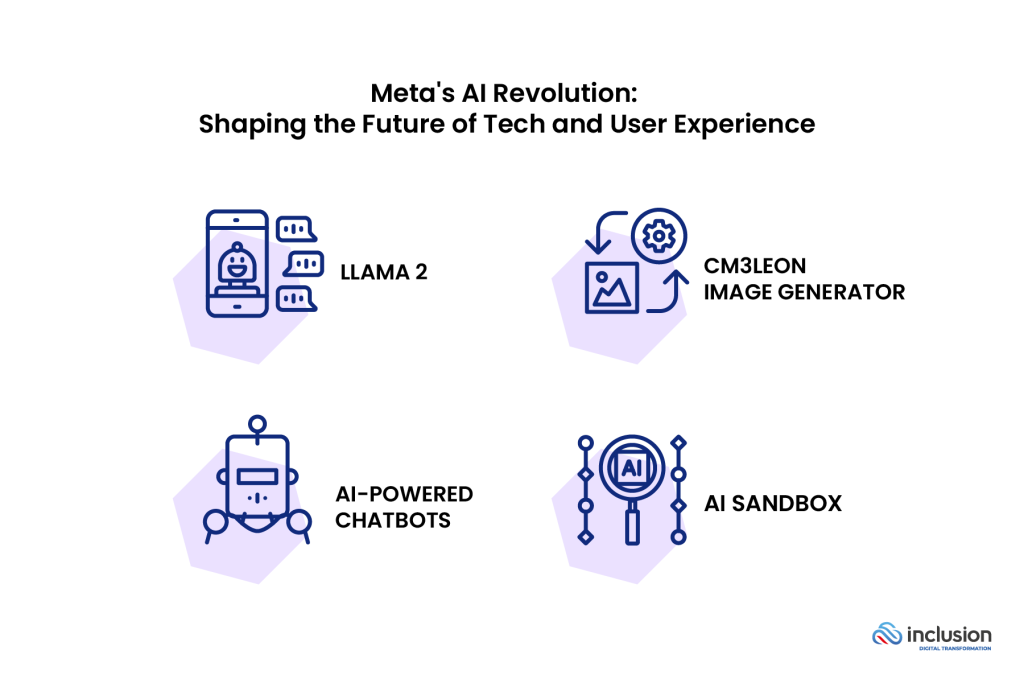
Your feeds already feel crowded with synthetic images, chatbots, AI summaries, and auto-generated replies. The next pressure point is bigger: the Meta AI internet impact could hit the open web through traffic shifts, content scraping fights, ad targeting, and user trust. BBC Future has framed Meta’s new AI push as something that could “break the internet,” and that line is not just headline heat. Meta sits inside Facebook, Instagram, WhatsApp, Threads, Messenger, and mixed-reality hardware. If AI becomes the default layer across those products, billions of people may ask Meta for answers before they visit a website, read a news story, or search elsewhere. That changes incentives fast. Publishers lose visits. Brands lose control over context. Users get faster answers, but may not know where those answers came from.
What changes first
- Traffic may shift away from websites as AI answers questions inside Meta apps.
- Publishers face tougher rights questions if their work trains or informs AI systems without clear value back.
- Brands need new measurement plans because referral clicks may no longer tell the whole story.
- Trust becomes harder as AI content blends into social feeds and private chats.
- Regulators will watch data use, especially in the EU, UK, and United States.
Why the Meta AI internet impact is different
Plenty of companies ship AI assistants. Meta is different because it owns the rooms where people already talk, shop, argue, share memes, and follow news. That scale gives its AI a distribution advantage that most start-ups can only dream about.
Look, I have watched big tech companies promise gentle changes before. The pattern is familiar. A feature starts as optional, then becomes default, then turns into infrastructure that everyone else has to fit around.
Meta does not need to replace the web to reshape it. It only needs to answer enough questions before users leave its apps.
That is the choke point.
If someone asks Meta AI for a travel plan, a recipe, a medical explainer, or a product comparison, the answer may pull from patterns learned across huge datasets and live sources. Who gets credited, and who gets paid? That question will decide whether this helps the web or drains it.
How Meta AI internet impact could hit publishers
Publishers already live in a tight squeeze. Search updates can flatten traffic overnight, social platforms can change ranking rules, and ad money keeps moving toward the largest networks. AI answers add another problem: fewer people may click through to original reporting.
This is like a restaurant losing the dining room while still supplying the kitchen. The work remains costly, but the customer relationship moves somewhere else. For newsrooms, review sites, recipe blogs, and specialist guides, that shift can cut into subscriptions, affiliate revenue, and direct ad sales.
What publishers should track now
- Referral traffic from Facebook, Instagram, Threads, and WhatsApp shares.
- Search impressions versus actual clicks for evergreen explainers.
- Mentions or summaries of your work inside AI answers, where visible.
- Changes in branded search volume after large Meta product updates.
- Subscriber acquisition sources, especially if social referrals weaken.
The hard part is attribution. If a person sees an AI answer inside Instagram, then searches your brand later, standard analytics may miss the middle step. Publishers need cleaner first-party data, stronger newsletters, and pages that offer value beyond a short answer.
What businesses should do about Meta AI internet impact
Businesses should not panic, but they should stop treating AI answers as a side issue. If your customers ask for product advice inside Meta apps, your website may no longer be the first stop. Your data needs to be accurate, structured, and easy for machines to read.
Start with the basics (boring work, but profitable). Keep product pages current, use schema markup, answer common buying questions clearly, and publish evidence that supports your claims. If your site sells running shoes, do not bury sizing, return rules, materials, and care instructions behind vague copy.
- Audit your top questions. List what customers ask before they buy, cancel, return, or compare.
- Make answers explicit. Put direct answers on product, support, and category pages.
- Protect your brand terms. Monitor how your company, products, founders, and policies appear in AI-generated summaries.
- Build owned channels. Email lists, communities, and apps reduce dependence on feed traffic.
- Set an AI citation policy. Decide what content you allow AI crawlers to access and what you want blocked.
Here’s the thing: blocking every bot can also reduce visibility. Letting every bot in can weaken your bargaining power. The smart move is selective access, clear licensing terms, and a sharp view of which pages drive revenue.
The trust problem Meta cannot dodge
Meta has spent years fighting misinformation, scam ads, impersonation, election manipulation, and spam. AI raises the volume. It can generate persuasive posts, fake images, voice clones, synthetic product reviews, and private-message scams at a pace human moderators cannot match.
To be fair, AI can also help detect abuse. Meta has strong machine learning teams and deep moderation experience. But detection and generation now race each other, and users sit in the middle trying to decide what is real.
The risk is not only fake content. It is quiet confidence in answers that may be incomplete, outdated, or shaped by hidden commercial incentives. If Meta AI recommends a restaurant, a supplement, or a financial product, users deserve to know why that answer appeared.
Regulators will press on data, ads, and consent
The legal fight will likely center on training data, user consent, competition, and ad targeting. The European Union’s AI Act, the Digital Services Act, and privacy rules under GDPR give regulators several handles. In the United States, enforcement may be messier, but the Federal Trade Commission has already shown interest in AI claims and data practices.
Meta also has a unique data footprint. It knows social graphs, interests, messages metadata, shopping signals, and engagement patterns across major apps. Even if private messages remain encrypted, the surrounding signals can still shape personalization in powerful ways.
That creates a non-negotiable question for regulators and users: can Meta build a useful assistant without turning every interaction into another targeting signal? The answer will affect how much trust people place in AI inside social products.
What to watch next
Watch where Meta places AI by default. A small button is one thing. AI baked into search bars, comments, ads, creator tools, and customer chats is another. Distribution beats model quality more often than engineers like to admit.
Also watch the business model. If Meta AI remains free, it still needs to serve Meta’s wider goals, such as engagement, ads, commerce, devices, and creator tools. Free consumer tech usually has a bill somewhere.
- Does Meta show source links in AI answers?
- Can publishers opt out without vanishing from discovery?
- Will advertisers get AI placement controls?
- Can users see why an AI answer was personalized?
- Will Meta label synthetic media clearly across apps?
The practical move now
The Meta AI internet impact will not arrive as one seismic event. It will show up as a series of small losses and gains: fewer clicks here, faster support there, cleaner shopping flows, stranger scams, weaker attribution, and new ad formats. That is harder to track than a platform outage, but more important.
If you run a website, publish original work, sell products, or manage a brand, treat Meta AI as a new gatekeeper. Tighten your data, protect your best content, and build direct relationships with your audience. The open web has survived platform shocks before, but only the people who measure the shift early get to choose their next move.