Meta Data Center Robots: What the Experiments Mean
Meta is testing data center robots because the old model is getting expensive. Modern server halls need constant upkeep, fast repairs, and fewer mistakes, and human crews cannot be in every aisle all day. That matters now because data centers are expanding fast to support AI systems, which means more heat, more power use, and more hardware to manage. If robots can handle routine physical work, operators could shift people toward the jobs that need judgment. If they cannot, the whole idea turns into another demo with a flashy video and little payoff. Which way does this go? The answer depends on whether the machines can do dull, repeatable work without causing new failures.
- Data center robots are mainly about routine maintenance, inspection, and physical handling.
- The biggest value is not speed. It is consistency and fewer human errors.
- AI-heavy infrastructure raises the pressure to automate facility work.
- The real test is reliability under messy, real-world conditions.
- Meta is betting that robotics can make operations cheaper and safer over time.
Why Meta wants data center robots
Data centers run like high-stakes kitchens. Every component needs to be in the right place, at the right temperature, on the right schedule. Miss one step and the whole operation can wobble. Meta’s experiments suggest a simple goal, reduce the number of times a person has to walk, lift, inspect, or manually fix something inside those buildings.
That is not a small shift. Power and cooling already eat a huge share of data center budgets, and AI servers raise the load even more. So companies are looking for automation that can take over repetitive physical tasks, especially the kind that do not need a senior engineer hovering over them.
“The best robotics project in a data center is the one that quietly prevents a human from making a dumb, expensive mistake.”
What data center robots can actually do
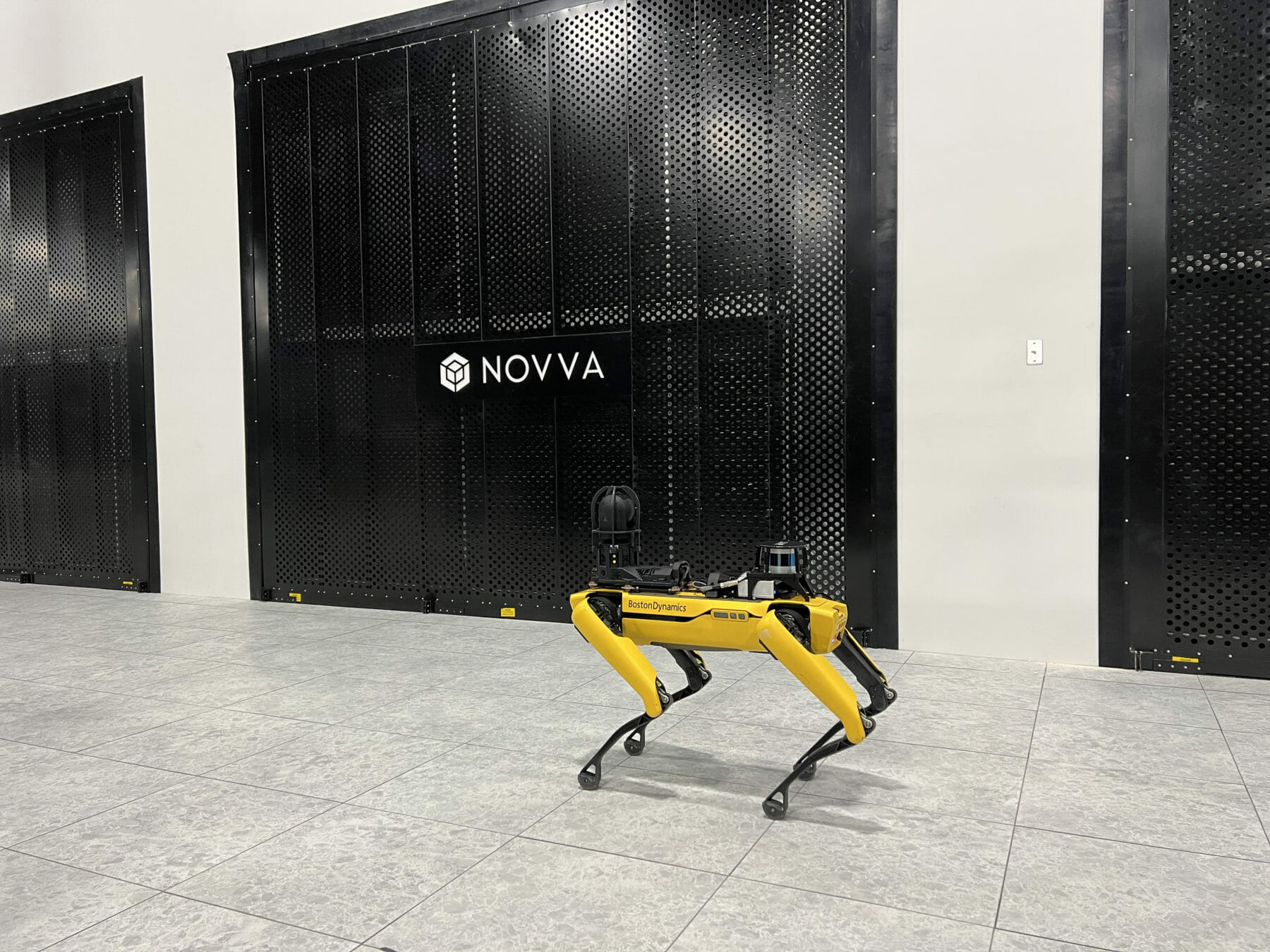
Look, the dream is not a humanoid robot strolling past racks like a sci-fi prop. The useful stuff is narrower and much less glamorous. Think inspection, cable checks, inventory movement, temperature monitoring, and simple maintenance support.
These tasks matter because data centers are built for precision, but people are not precision machines. A robot can repeat the same route the same way every time. That consistency is the point.
Likely jobs for data center robots
- Scan equipment for faults or unusual heat patterns.
- Move small parts and tools between work zones.
- Assist with inspections in tight or awkward spaces.
- Reduce the time technicians spend on repetitive rounds.
Some of this sounds modest. It is. But that is also why it may work. In robotics, boring often beats ambitious.
Why AI infrastructure makes this push more urgent
AI systems have changed the math. They need dense clusters of GPUs, heavier cooling, and more physical infrastructure than older web workloads. That means more hardware failures to track and more maintenance pressure on staff.
And once a data center gets packed with expensive gear, downtime gets brutal. A robot that can catch a loose connection or flag a temperature spike early may save real money. Not because it is magical. Because it is there every hour.
Meta is also operating in a market where energy efficiency and uptime are non-negotiable. The data center is no longer a warehouse full of servers. It is an active production system that has to stay stable while demand keeps climbing.
Where the hard problems are hiding
Robots sound cleaner in a press demo than they do in a live facility. Data centers are crowded, noisy, and full of cable runs, moving airflow, and human workers who do not want a machine blocking a hallway. That is the first problem.
The second problem is trust. A robot can only help if operators believe it will not knock something loose, misread a condition, or slow down a repair. Would you hand it a task if a mistake could take out a cluster of servers worth millions? Probably not unless the system had earned that trust over time.
There is also the maintenance of the robots themselves. That part gets ignored in a lot of automation pitches. A robot fleet needs updates, calibration, spare parts, and support. In other words, another layer of operations.
What this means for the rest of the industry
Meta is not alone here. Amazon, Google, Microsoft, and smaller colocation operators all face the same pressure to do more with less human labor. The difference is that data center automation is now moving from software into physical space, which is a much tougher shift.
If Meta gets useful results, expect more firms to test similar systems. If not, the market will keep using humans for the messy jobs and reserve robots for narrow tasks where failure is acceptable. That is the sane outcome, honestly.
Here is the real question: are robots being deployed because they solve a specific operational problem, or because the industry wants a visible symbol of AI progress? Those are very different motives.
What to watch next in data center robots
Pay attention to three signals. First, whether the robots handle a narrow task set well for months, not days. Second, whether they reduce outages, repair time, or technician workload. Third, whether Meta says anything concrete about cost savings or safety gains.
If those numbers stay fuzzy, the experiment is still a test. If they get sharper, the shift is real. And that is where this gets interesting, because the winning design may not look futuristic at all. It may just look calm, useful, and slightly dull.
That is the bar now. Not spectacle, but reliability. What matters next is whether Meta can prove these machines belong in the room when the servers are humming and nobody can afford a mistake.