Meta Employee Unrest: Bosworth’s Hard Line on Dissent
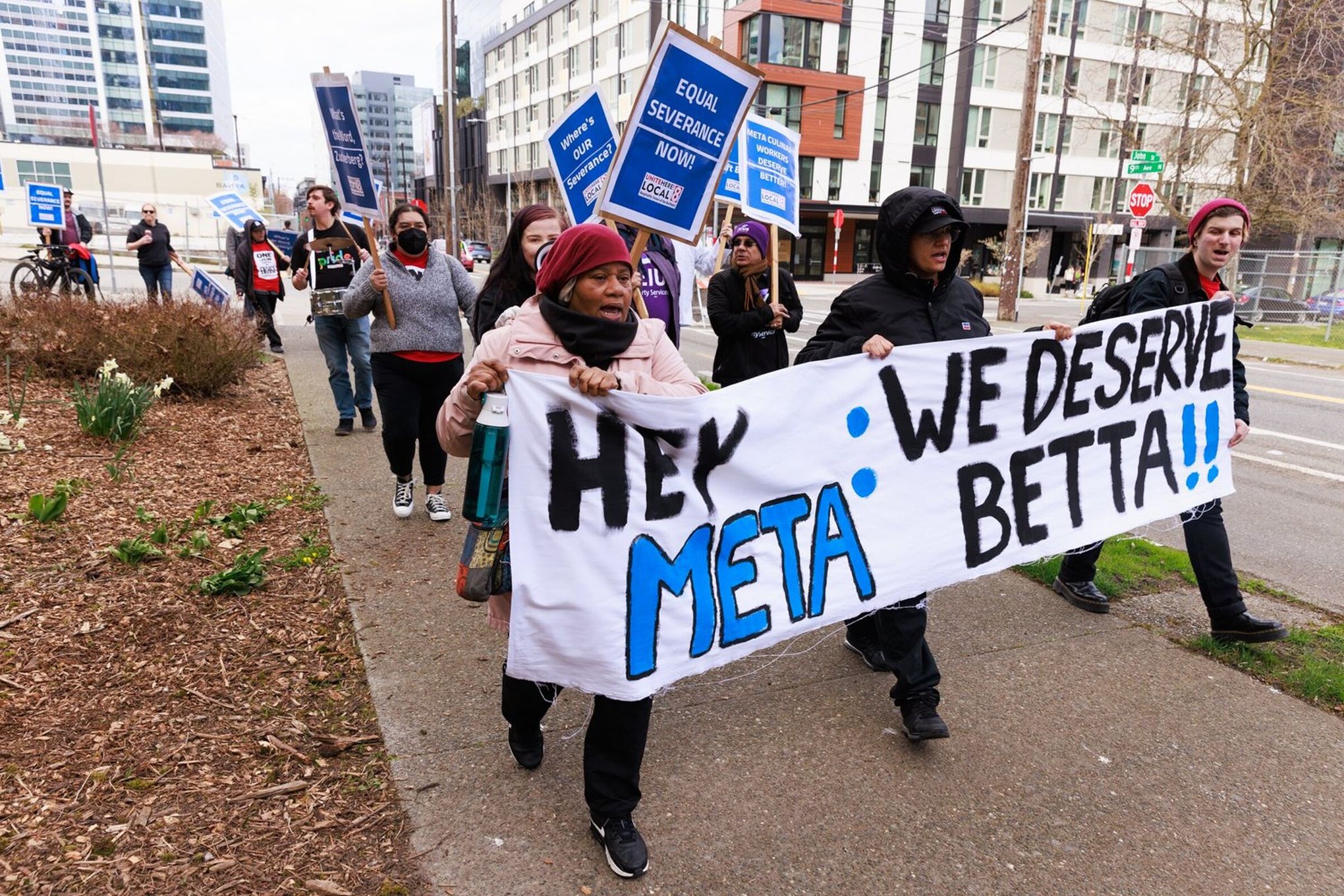
Meta employee unrest is not a small HR story. It is a live test of how a giant tech company handles disagreement while it pushes into AI, product pressure, and constant public scrutiny. When workers feel ignored, the damage spreads fast. Morale drops. Trust frays. Teams slow down. And executives start spending more time on control than on building. That is the problem Meta is facing now, and Andrew Bosworth’s response shows how hard the company is willing to push back. The real question is simple. Can a company demand speed and loyalty at the same time, or does that tradeoff eventually break the culture?
What stands out about Meta employee unrest
- The conflict is about power, not just policy. Workers are reacting to how decisions get made and who gets heard.
- Bosworth’s tone matters. Executive messaging can calm a workforce or harden the split.
- AI pressure raises the stakes. Meta needs focus, but forced focus can also trigger resentment.
- Internal dissent is now a management issue. It is no longer contained to private Slack threads or one-off complaints.
- The company’s scale makes every dispute louder. At Meta, even a local clash can become a public signal.
Why Meta employee unrest keeps surfacing
Big tech used to sell a simple bargain. Bring your best ideas, work hard, and the company will reward candor. That bargain has become shakier. At Meta, workers operate inside a tighter, more performance-driven system, and that can make internal dissent feel less like debate and more like disloyalty.
That shift matters because Meta is not running a small startup where one manager can settle a dispute over coffee. It is a global machine. If employees think they can only agree upward, then honest feedback dries up. And once that happens, leaders get cleaner dashboards and worse reality.
Here is the uncomfortable part. The louder a company talks about open culture, the more damage it takes when employees stop believing that openness is real.
Andrew Bosworth’s message and what it signals
Bosworth has long been one of Meta’s most direct internal voices. On issues like discipline, urgency, and execution, he tends to sound less like a consensus builder and more like a field commander. That style can be useful in a crisis. It can also read as a warning to anyone who thinks internal pushback will change the company’s course.
Look, this is not just about one executive being blunt. It is about the model Meta wants. If the company believes speed matters more than broad internal agreement, then Bosworth’s stance makes sense. But if you are trying to build durable teams, do you really want to teach employees that speaking up comes with a cost?
Think of it like a sports team that tells players to communicate on the field, then benches anyone who calls out a bad play. The message is muddled. People get quiet. Mistakes pile up.
How the unrest affects product work and AI plans
Meta is in a race for talent, compute, and shipping pace. That means internal friction is expensive. A tense workplace does not only hurt morale. It can slow code review, weaken cross-team cooperation, and push talented people to leave for rivals with less drama and more room to breathe.
The timing is especially rough because Meta is pouring energy into AI products and infrastructure. Those efforts need coordinated execution. But coordination depends on trust. If employees think leadership is treating dissent as a nuisance, they may stop raising the sharp questions that keep big projects from drifting into expensive mistakes.
What leaders usually miss
- People do not need every decision to go their way.
- They do need to believe the process is fair.
- They also need a clear path to challenge bad calls without social punishment.
That is the part many executives miss. They focus on whether staff are aligned, but alignment without candor is brittle. It looks solid until it cracks.
What Meta can learn from this moment
If Meta wants fewer flare-ups, it needs more than tougher talking. It needs clearer rules for disagreement. That means explaining what counts as acceptable dissent, who hears it, and how decisions are made once the debate ends. Without that structure, employees will keep reading every memo as a power move.
Consistency is the real test. Workers can handle a strict culture if the rules are stable. They cannot handle one set of standards for executives and another for everyone else. That gap poisons trust faster than any single memo ever will.
And there is a practical business case here. Companies that keep smart people around tend to be the ones where those people can argue in the room, not after they have started updating their resumes.
Where Meta employee unrest goes next
Meta employee unrest is a warning sign, not a sideshow. It says the company is asking for high output while also narrowing the space for friction. That may work in the short run. But short run gains can become long run drag if good people decide the culture is no longer worth the price.
Meta has spent years trying to prove it can move fast and stay dominant. Now it has to prove something harder. Can it keep its edge without turning disagreement into a liability? That answer will shape far more than one internal dispute.