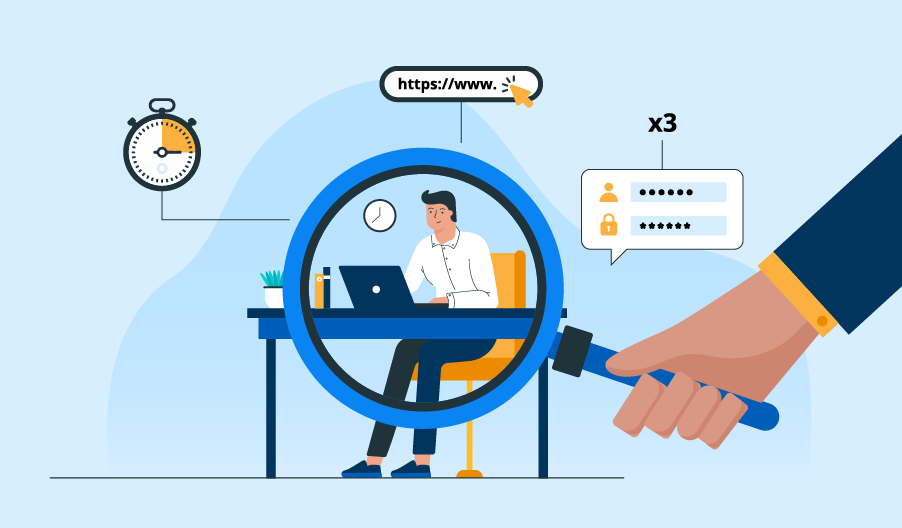
Meta Pauses Employee Tracking Program After Breach
Meta has paused an employee tracking program after an internal security breach exposed sensitive information tied to the effort. That matters because workplace surveillance tools are already tense territory. They collect data about people who often have little room to opt out, and a breach turns that tension into a real security problem. The mainKeyword here is simple: employee tracking. If a company cannot protect the data it gathers about its own staff, then the whole pitch starts to look shaky. And that is not a small issue for Meta, which has spent years selling its platforms as safe, controlled, and enterprise-ready. What happens when the watchers get watched?
Why the pause matters
- Security risk multiplies fast when tracking data includes names, behavior patterns, or internal identifiers.
- Employee trust takes a hit if workers think monitoring tools create more exposure than protection.
- Compliance pressure grows because surveillance data can trigger labor, privacy, and data handling concerns.
- Product strategy changes when a feature or program stops being a safe bet.
Meta’s decision is not just a technical pause. It is a signal that internal controls failed somewhere along the chain. In a company this large, that can mean access rules, logging, review processes, or plain old human error. Pick your poison.
What employee tracking actually means
Employee tracking can cover a wide range of tools. It may include device management, activity logs, access records, location data, or systems that monitor productivity and policy compliance. Some of that is normal in enterprise IT. Some of it feels closer to a security camera aimed at a desk.
That distinction matters. Tracking for security is one thing. Tracking that drifts into surveillance theater is another. If a system collects more data than a manager can realistically use, why keep it?
Employee tracking works only when the data stays tightly scoped, tightly controlled, and clearly justified. Once it spreads, the risk spread follows.
How a breach changes the risk equation
A breach does more than expose files. It changes how people interpret the entire program. Data that was supposed to be internal now becomes portable, searchable, and potentially embarrassing or harmful. That includes the kind of metadata attackers love because it is easy to sort and hard to explain.
Think of it like a restaurant kitchen with a back-room camera system. If the footage leaks, the issue is not just privacy. You also have to ask who could use it, how long it was stored, and whether the kitchen needed that camera in the first place. The same logic applies here.
What Meta likely has to fix
- Access controls, so only the right people can reach the tracking data.
- Data minimization, so the system collects less by default.
- Retention limits, so stale data does not sit around waiting for trouble.
- Audit trails, so every access leaves a clean record.
- Internal review, so the business case for tracking gets tested again.
That list sounds basic because it is. But basic controls fail all the time. The breach itself is the proof.
Why this hits Meta harder than most companies
Meta lives under a brighter spotlight than a normal employer. Every move it makes around data, surveillance, and access gets read through the same lens it uses on its ad business and social platforms. So when a tracking program blows back internally, the optics are brutal.
There is also a credibility problem. Meta has spent years arguing that it can manage large-scale data responsibly. Internal security failures chip away at that claim. Not because one incident defines a company, but because trust is cumulative. Lose enough of it, and the brand starts to feel brittle.
What other employers should learn from this
Most companies will never face Meta’s scale, but the lesson is still plain. If you collect employee data, treat it like sensitive material, not office trivia. The more intimate the data, the more costly the mistake.
Here are the practical checks worth making now:
- Do we need this data, or do we just want it?
- Who can view it, and how often is access reviewed?
- How fast can we delete it when the purpose ends?
- Would we be comfortable explaining this system to employees in one sentence?
That last question is the test. If the answer sounds slippery, the program probably needs work.
And yes, employees notice. They notice when tracking tools feel opaque. They notice when security rules apply to them but not to leadership. They notice when a company calls something “operational” but means “we want more visibility.”
What comes next for employee tracking
Meta’s pause may be temporary, or it may lead to a fuller redesign. Either way, the real issue is whether companies can build monitoring systems that are narrow, defensible, and secure enough to survive scrutiny. That is harder than the sales pitch makes it sound.
Employee tracking is headed for a tighter standard, not a looser one. The next wave will not be about collecting more. It will be about proving you deserve what you already collect. And if that sounds like a higher bar, it is. Shouldn’t it be?