Microsoft Copilot’s Mico Retirement Changes the AI Avatar Playbook
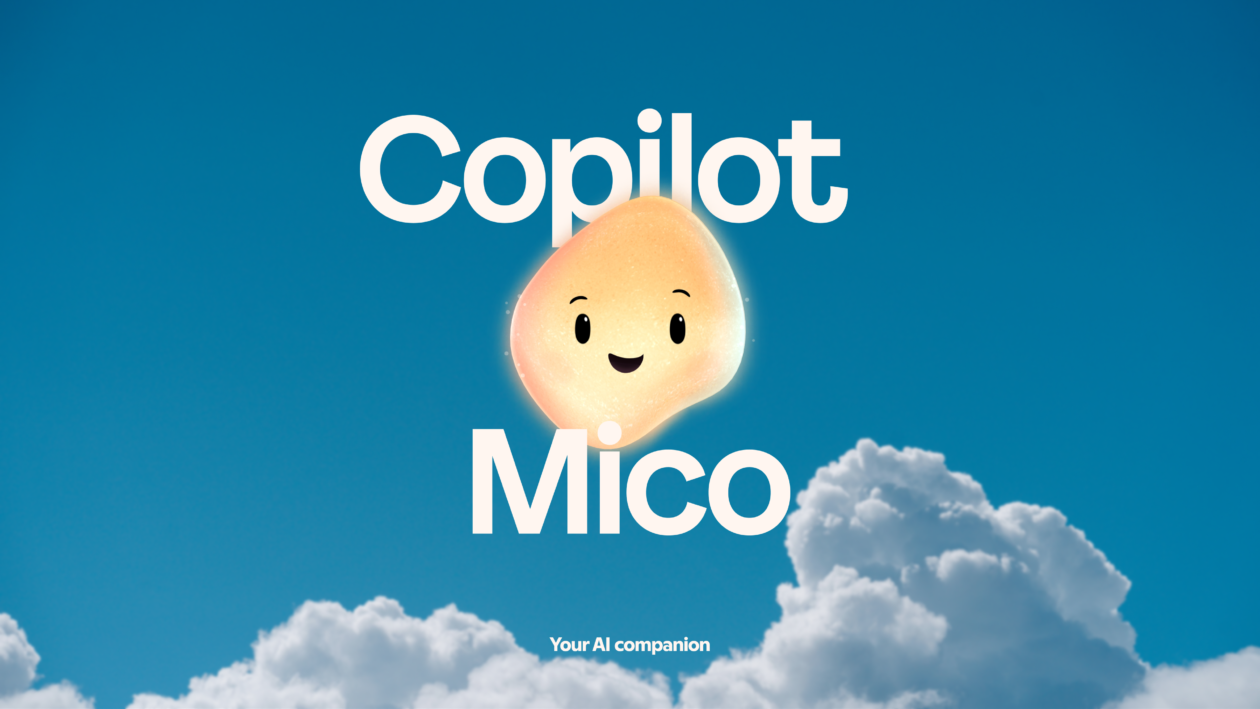
Microsoft’s Copilot Mico retirement is a small headline with a bigger message. The company is backing away from a friendly AI avatar that was meant to give Copilot a face, and that matters because the market keeps trying to bolt personality onto software that users mostly want to make useful. People do not open an assistant app to admire the character design. They open it to get answers, write faster, and finish work without friction.
That is the real pressure here. AI assistants are already crowded, and the ones that last usually feel like solid tools, not mascots. Microsoft has spent years pushing Copilot into Windows, Microsoft 365, Edge, and Bing, so every design choice now sends a signal about what the product should be. Is the avatar there to help, or just to make the demo look warmer?
What the Copilot Mico retirement tells you
- Personality is cheap. Utility is harder.
- Users remember speed, accuracy, and control far more than visual flair.
- Microsoft keeps testing how human Copilot should feel without letting it become distracting.
- AI branding can age fast when the product changes underneath it.
Why Microsoft pulled back from Mico
Microsoft has not built its AI strategy around cute interfaces alone. It wants Copilot to live inside the places people already work, which means the assistant has to feel dependable first. A mascot can help with approachability, but it can also feel like an extra layer between you and the task.
Look at the pattern. Microsoft has changed names, surfaces, and features across its AI stack several times as it tries to find the right balance between consumer appeal and enterprise trust. The Copilot Mico retirement fits that pattern. It suggests the company is trimming anything that slows the product down or makes it feel less serious.
“AI assistants need trust more than charm. If the wrapper gets in the way, people stop caring about the wrapper.”
Copilot Mico retirement and the avatar problem
Avatars in AI often work like restaurant decor. Nice if they fit. Ignored if the food is bad. When the assistant answers poorly, no amount of cartoon polish saves it. And when the assistant works well, users usually want the shortest path from prompt to output.
The same lesson has shown up elsewhere in consumer tech. Voice assistants, chatbots, and virtual helpers often start with a bright identity, then slim down once teams notice that novelty fades. That does not mean visual identity is useless. It means the identity has to earn its place.
What users actually value
- Fast responses.
- Accurate answers.
- Clear follow-up options.
- Easy access inside apps they already use.
- Control over what the assistant does with their data.
That list is boring. It is also non-negotiable.
What this means for Microsoft Copilot
Microsoft is still betting hard on Copilot as a core product across Windows and Microsoft 365. The question is not whether the company believes in AI. It clearly does. The question is how much personality it wants to keep attached to the assistant as the product matures.
Copilot works best when it behaves like a competent coworker, not a stage prop. If Microsoft keeps refining the assistant’s core capabilities, the lack of a mascot will not matter much. If it keeps chasing a friendlier face instead of stronger results, the product will feel like a lobby with no offices behind it.
What you should watch next
The next moves will tell you whether this was a simple design cleanup or a deeper course correction. Watch for changes in Copilot branding, the amount of visual personality in Windows, and how Microsoft frames the assistant in enterprise settings. Those details matter because they show whether Microsoft sees AI as a companion, a utility, or both.
And that is the real test. If you were building Copilot for millions of workers, would you spend your chips on a face, or on making the thing faster and smarter?