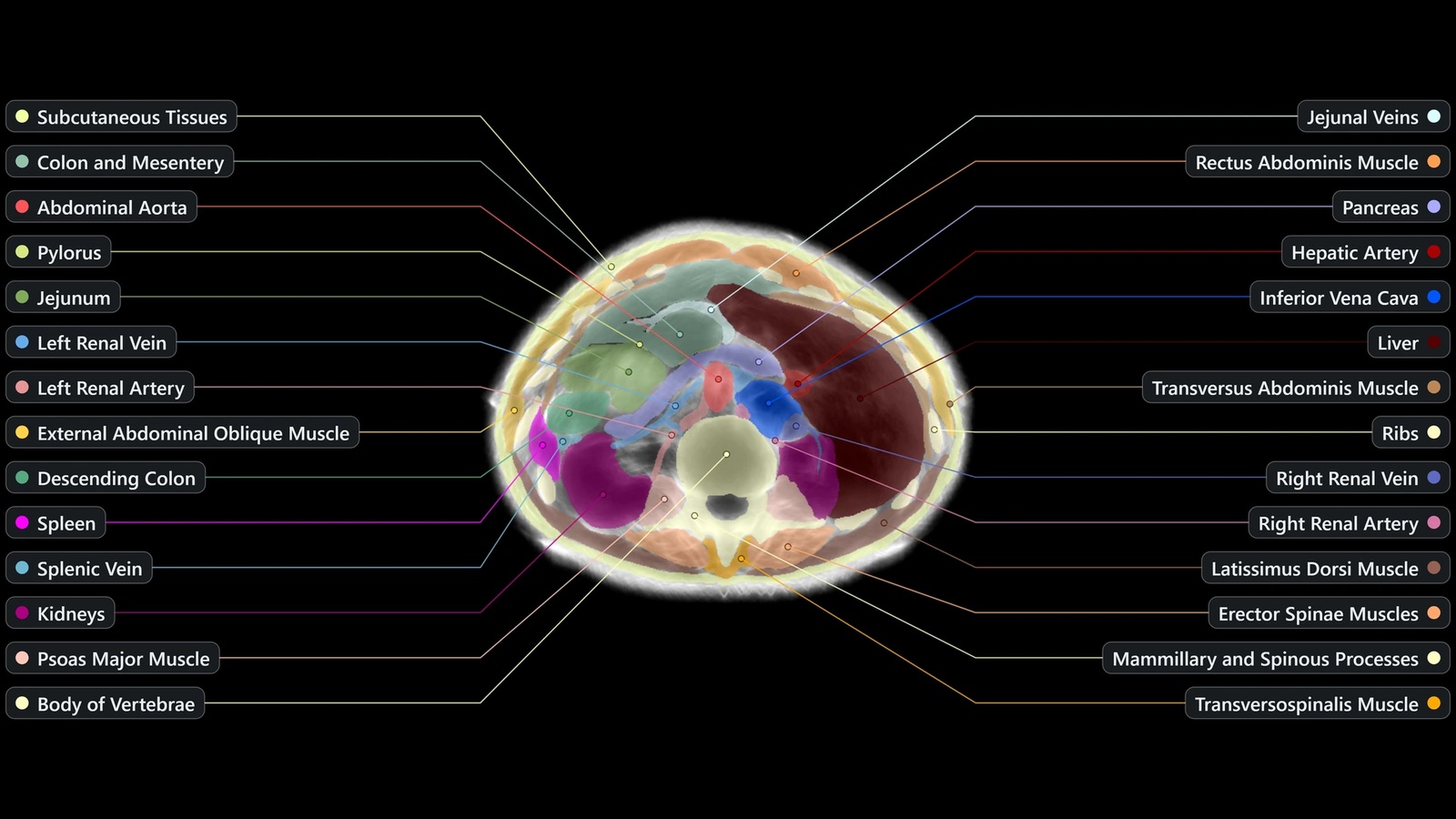
Midjourney Medical AI Claims Need Evidence
People want faster answers from health tech. Fair enough. But Midjourney medical AI claims raise a basic problem you should not ignore, especially when a product sounds more advanced than the data behind it. If a company says its system can read ultrasound or scan the body with AI, you need more than a slick demo. You need evidence, clear testing, and real-world performance. Otherwise, you are looking at marketing, not medicine. That gap matters because health decisions are not like picking a playlist. The cost of a bad call can be real, and the standard for proof should be, too.
What stands out about Midjourney medical AI claims
- Extraordinary claims need clinical evidence. A polished product page is not enough.
- Medical AI must be tested against ground truth. That usually means clinician review, annotated datasets, and peer-reviewed results.
- Ultrasound is a hard problem. Image quality varies by operator, machine, and patient.
- Body scanning adds more risk. Broad claims can drift into diagnosis without enough validation.
- Regulatory language matters. If a tool influences care, FDA and similar oversight questions come fast.
Why evidence matters more than the demo
Look, a demo can make almost anything look sharp. A clean interface, a confident voice, and a few cherry-picked examples can create a lot of trust in a short time. But health care runs on repeatable results, not stagecraft.
The Verge report points to a familiar problem in AI health products. Companies often present capabilities before they show strong proof. That is risky because medical imaging is full of edge cases. A system that works well on curated examples can stumble badly on messy, real-world scans.
Good health AI should answer one question first. Does it work across different patients, devices, and clinical settings, or only in a narrow lab demo?
What a serious medical AI proof package should include
If you are evaluating a tool like this, ask for the basics. And do not settle for vague answers.
- Peer-reviewed studies. Look for published results, not just internal claims.
- Sample size. Small pilot tests can be useful, but they do not prove broad reliability.
- Comparison methods. The system should be measured against radiologists, sonographers, or other accepted standards.
- Error rates. False positives and false negatives matter more than cherry-picked accuracy numbers.
- Population coverage. Check whether the training and test data reflect different ages, sexes, skin tones, body types, and clinical settings.
This is where the hype usually cracks. A company may show one impressive metric, then skip the part where you learn how often the system misses something serious. That omission is not minor. It is the whole story.
Midjourney medical AI claims and the regulation question
Health tools do not live in a vacuum. If software affects diagnosis, triage, or treatment decisions, regulators care. In the U.S., that means the FDA. In Europe, medical device rules and the AI Act are part of the picture.
Does the product change what a clinician does? That is the question regulators ask, and you should ask it too. A body scanner that promises medical insight can sound benign at first. But once it starts guiding care, the bar gets higher. Much higher.
Think of it like building a bridge. You would not accept a bridge because the render looked sturdy. You want load tests, inspections, and engineering records. Medical AI deserves the same discipline.
How to read health AI claims without getting fooled
Here is the thing. You do not need a PhD in machine learning to judge the basics.
- Check for named studies. If the company cites research, find it.
- Look for independent validation. Outside testing is far more credible than self-published numbers.
- Ask who used the tool. A prototype used by one expert is not the same as deployment across many clinics.
- Watch the language. Phrases like “can detect” or “may identify” often hide uncertainty.
- Separate workflow help from diagnosis. A scheduling aid is not a diagnostic engine.
And if the company avoids specifics, that tells you plenty. Real evidence is messy, but it is still evidence.
One more thing. Health AI often borrows confidence from adjacent success. A tool might look convincing because computer vision works well in other settings. But ultrasound is not photo tagging, and medicine is not consumer search.
What this means for buyers and patients
If you are a clinic buyer, ask for validation on the exact workflow you plan to use. If you are a patient, ask whether a human clinician reviewed the output. If you are an investor or reporter, push past the demo deck and into the dataset.
The smartest move is simple. Demand proof before you trust the pitch. What good is a body scanner if nobody can show where it wins, where it fails, and who is accountable when it gets things wrong?
What to watch next
The next round of health AI products will probably get louder, not quieter. That means your filter has to get sharper. If a company wants credit for medical impact, it should bring data, not vibes. Until then, keep your skepticism handy and your questions specific.