Musk Praises Mythos Fable and Keeps Anthropic Alive
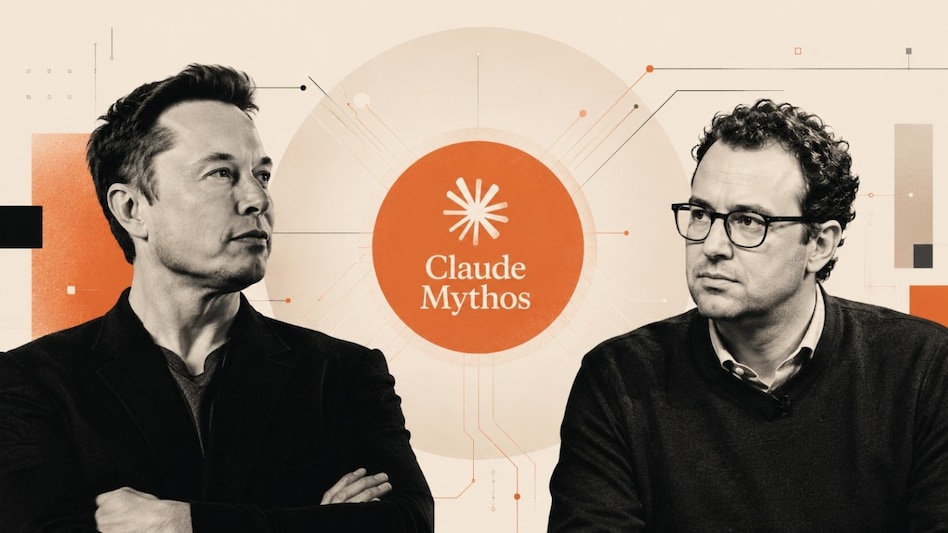
AI companies keep talking about openness, then they turn around and threaten access the minute a rival gets useful. That is why Elon Musk praises Mythos Fable and says he will not cut off Anthropic matters now. It is not just a compliment. It is a signal about control, competition, and how fragile model access has become in the AI business.
If you build on third-party models, you already know the drill. One policy shift, one contract dispute, one sudden pricing change, and your product plan gets blown up. Musk’s move suggests he sees some value in keeping Anthropic connected, even if the rivalry is real. Why give a competitor oxygen? Because in AI, total lockout can backfire fast. The market is too interconnected for pure scorched-earth tactics.
What stands out in the Musk praises Mythos Fable moment
- Access matters more than bluster. AI vendors talk tough, but distribution and integration still decide who gets used.
- Anthropic remains a serious player. Musk’s decision not to cut it off suggests the company is too relevant to ignore.
- Partnerships are now strategic weapons. Keeping rivals in the network can shape standards and user habits.
- Developers should read the fine print. Dependency on one model provider can turn into a business risk overnight.
Why this move is smarter than it looks
Look, the easy story is drama. Musk praised one thing and spared another. That misses the business logic. AI is starting to look like a power grid, where every outlet matters and nobody wants to trigger a blackout just to prove a point.
Anthropic has built real traction with enterprise customers, safety-conscious teams, and developers who want strong reasoning without the same brand baggage some other labs carry. Cutting that off entirely would not just hurt Anthropic. It would also remove a pressure valve from the market.
“In AI, access is leverage. If you control the pipes, you do not always need to block the flow to win.”
That is the part many observers miss. You do not always beat a rival by starving it. Sometimes you keep it in the game so you can watch where demand moves, where the bugs appear, and which features people actually pay for. Annoying? Yes. Effective? Also yes.
What Musk praises Mythos Fable means for model vendors
If you run a model company, this is a reminder that ecosystem politics are now core product work. Your roadmap is not enough. Your alliances matter too.
1. Distribution beats pure model quality more often than fans admit
You can have strong benchmarks and still lose if you cannot stay embedded in the places developers already work. That is why API access, platform placement, and enterprise deals matter so much. They are the seatbelts, dashboards, and brakes of the AI stack.
2. Rival access can reduce anticompetitive pressure
Keeping competitors connected can make a platform look less hostile to regulators and customers. It is a defensive move, but not a soft one. It says, “We are confident enough not to slam the door.”
3. Brand praise is also positioning
When Musk praises Mythos Fable, he is not only being polite. He is setting a tone about who he sees as worth engaging. That can shape developer expectations fast, especially if the praise comes from a figure with real market weight.
What you should watch next
- Pricing changes. If Anthropic stays available, the next battle may be cost, not access.
- Product integration. Watch whether toolchains, assistants, or enterprise workflows become more open or more selective.
- Partner signaling. If one major figure keeps rivals in play, others may copy the tactic.
- Customer behavior. Enterprises usually hate sudden dependency shifts. They may reward stability over ideology.
And that is where the real test starts. Does keeping Anthropic in the mix create a healthier market, or does it just give everyone another dependency to juggle?
The AI business is entering a chessboard phase
The AI race is looking less like a sprint and more like a chessboard. Every move affects access, trust, and pricing. One piece gets saved because it improves the board position, not because anyone has become sentimental.
For builders, the lesson is blunt. Do not rely on one vendor unless you have to. For investors, the signal is also blunt. Competitive behavior in AI is getting more tactical, not less. And for users, the practical question is simple: will the next great tool stay open long enough for you to depend on it?
That is the part worth watching now, because the next surprise may not be a product launch. It may be who gets to stay plugged in.