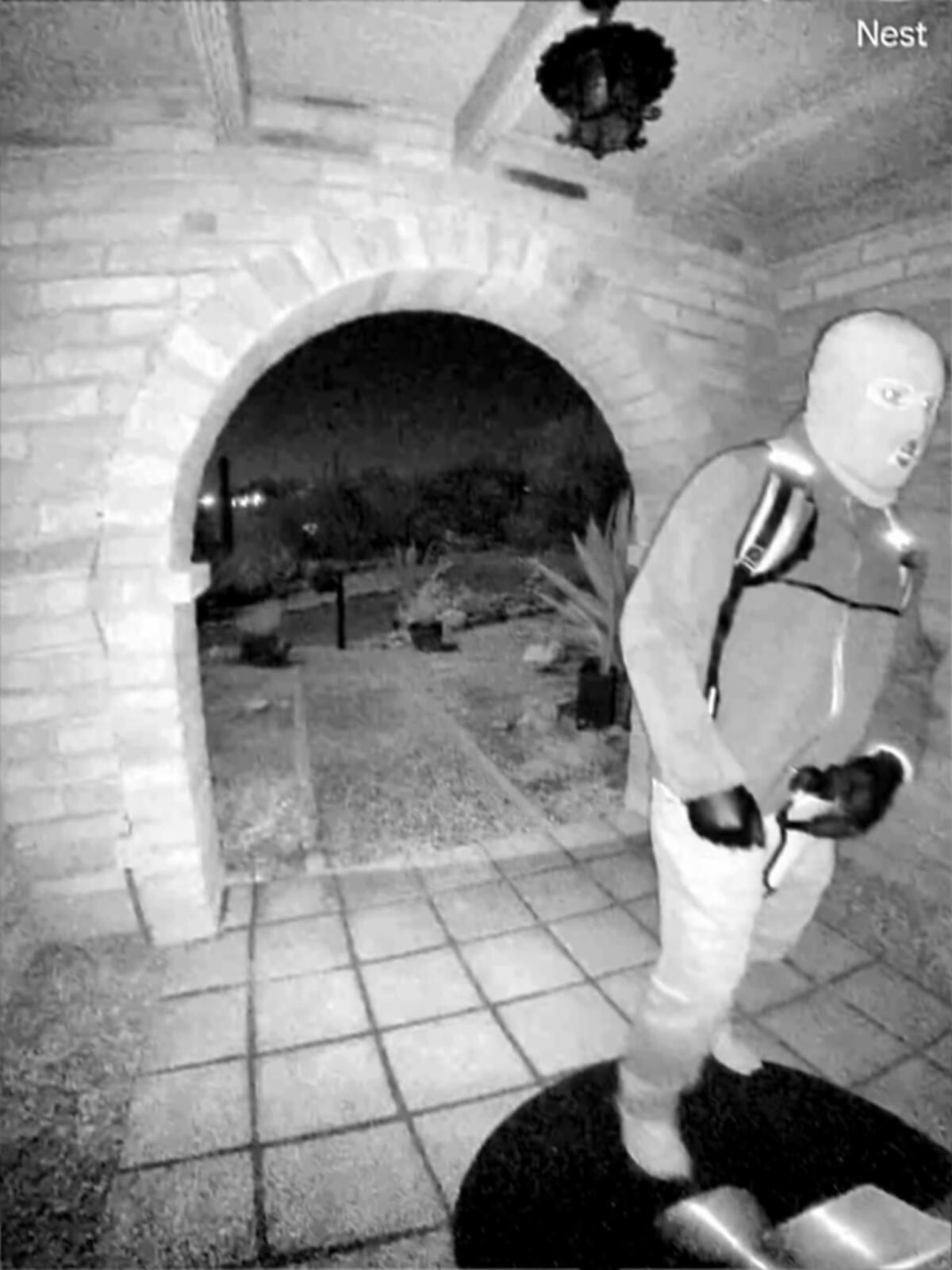
Nancy Guthrie Investigation Team Challenges Sheriff Errors
When a missing person case stalls, families usually face two battles at once. They search for answers, and they fight to keep the investigation sharp. That is the core issue in the Nancy Guthrie investigation, where an independent team has accused the local sheriff of mistakes that may have slowed progress. Why does that matter now? Because public disputes like this can shape witness confidence, media pressure, and the next steps law enforcement takes. If you are following this case, or any missing persons case, the real question is simple. Are investigators tightening the facts, or letting preventable errors muddy them? The details raised in this report point to a familiar problem in cold and active cases alike. Small decisions early on can echo for months or years.
What stands out here
- The independent team says sheriff errors affected how the Nancy Guthrie case moved forward.
- Disputes over evidence handling and investigative judgment can weaken public trust fast.
- Families often bring in outside investigators when they believe official efforts missed obvious leads.
- Cases like this show why timelines, documentation, and witness follow-up are non-negotiable.
Nancy Guthrie investigation: What the dispute is about
According to NewsNation, the outside investigation team working on Nancy Guthrie’s disappearance has publicly criticized the sheriff’s office and described a series of mistakes. That kind of direct pushback is not routine. It usually means frustration has boiled over behind the scenes.
The central issue is credibility. If one investigative group says leads were missed, evidence was not handled well, or key decisions were flawed, every later step gets harder to trust. And once trust slips, witness cooperation can slip with it.
“Mistakes” in a missing person case are never just a public relations problem. They can change what gets preserved, who gets interviewed, and which theories survive.
Look, law enforcement agencies do hard work under pressure. But that does not make them immune from criticism. In missing persons investigations, speed and precision matter, and a weak first pass can haunt the whole file.
Why errors in the Nancy Guthrie investigation matter so much
Missing person investigations often depend on narrow windows. Phone data gets overwritten. Surveillance footage disappears. Witness memories fade. A bad early call can be like burning the first page of a recipe and trying to guess the meal from the smell.
That is why criticism from an independent team carries weight. These teams are usually brought in because families want a second look at assumptions, timelines, and blind spots. Sometimes they confirm official work. Sometimes they expose holes.
And those holes can be expensive.
If the sheriff’s office missed steps, the impact goes beyond optics. It can affect search areas, suspect assessment, media strategy, and even whether prosecutors could later use parts of the case cleanly if criminal charges ever emerge.
What families and the public should watch in the Nancy Guthrie investigation
If you want to judge whether the case is moving in a stronger direction, focus on the basics instead of the noise. Public statements can get emotional fast, especially when agencies and private teams clash.
- Timeline clarity. Are investigators building a clean, consistent timeline of Nancy Guthrie’s last known movements?
- Witness follow-up. Have all early witnesses been re-interviewed, especially after new claims or contradictions?
- Evidence review. Has physical and digital evidence been audited by fresh eyes?
- Search strategy. Are searches based on current facts, or are they repeating old assumptions?
- Agency coordination. Is there clear cooperation between the sheriff, outside investigators, and any state or federal partners?
Honestly, this is where many cases either recover or drift. A disciplined review can rescue a weak start. A defensive posture usually cannot.
What often goes wrong in missing persons cases
Early assumptions harden too fast
Investigators sometimes lock into one theory before the evidence deserves it. Voluntary disappearance, foul play, accident, mental health crisis. Each path points resources in a different direction. Pick the wrong one too early, and useful leads die on the vine.
Documentation gets patchy
Notes, call logs, interview summaries, and search records need to be tight. If they are not, later reviewers spend valuable time rebuilding the file instead of moving the case forward.
Communication turns defensive
Once criticism becomes public, agencies can circle the wagons. That is human. It is also a problem. The best response to alleged mistakes is a documented correction plan, not vague assurances.
But families rarely want reassurance. They want movement.
Could outside investigators help the Nancy Guthrie investigation?
Yes, if they add discipline instead of drama. A strong outside team can re-check witness statements, test the official timeline, review location data, and ask the one question that every stale case needs asked. What did everyone assume too soon?
There are limits, though. Private teams do not carry the same legal authority as sworn law enforcement. They cannot compel the same cooperation, and they cannot replace subpoena power or prosecutorial strategy. Still, they can pressure agencies to revisit weak spots, and that alone can matter.
(It can also force cleaner public accountability, which is often half the battle in a disputed case.)
Nancy Guthrie investigation and public trust
The Nancy Guthrie investigation is now about two things at once. It is about finding answers, and it is about whether the public can trust the people tasked with finding them. Those are linked more tightly than agencies like to admit.
When an outside team says the sheriff made mistakes, people naturally ask whether those mistakes were minor, fixable errors or signs of deeper investigative failure. That distinction matters. One can be corrected. The other can poison the case.
News coverage adds another layer. Media attention can shake loose new tips, but it can also harden rival narratives before facts are settled. Smart investigators know how to use that attention without becoming captive to it.
What should happen next
The practical next steps are not mysterious. They are just hard to execute well.
- Conduct an independent case file review.
- Rebuild the timeline from zero, using verified data points only.
- Reassess all witness interviews for gaps and contradictions.
- Audit evidence preservation and chain of custody.
- Set a clearer public communication plan for future updates.
If the sheriff’s office is confident in its work, that review should help. If not, it will expose where the case needs help. Either outcome is better than vague public sparring.
What this case says about the system
Cases like this expose a truth that law enforcement leaders often resist saying out loud. Missing persons investigations depend heavily on local capacity, and local capacity can vary a lot. Some offices have seasoned investigators, digital forensics support, and clean protocols. Others are thinly staffed and reactive.
That gap matters more than any press conference.
The Nancy Guthrie investigation may yet produce answers. But the larger test is whether officials treat criticism as noise or as a reason to recheck the work. Families should not have to build parallel investigative structures just to feel heard. Yet here we are. The next move should be simple. Show the file can stand up to scrutiny, or bring in more help before more time slips away.