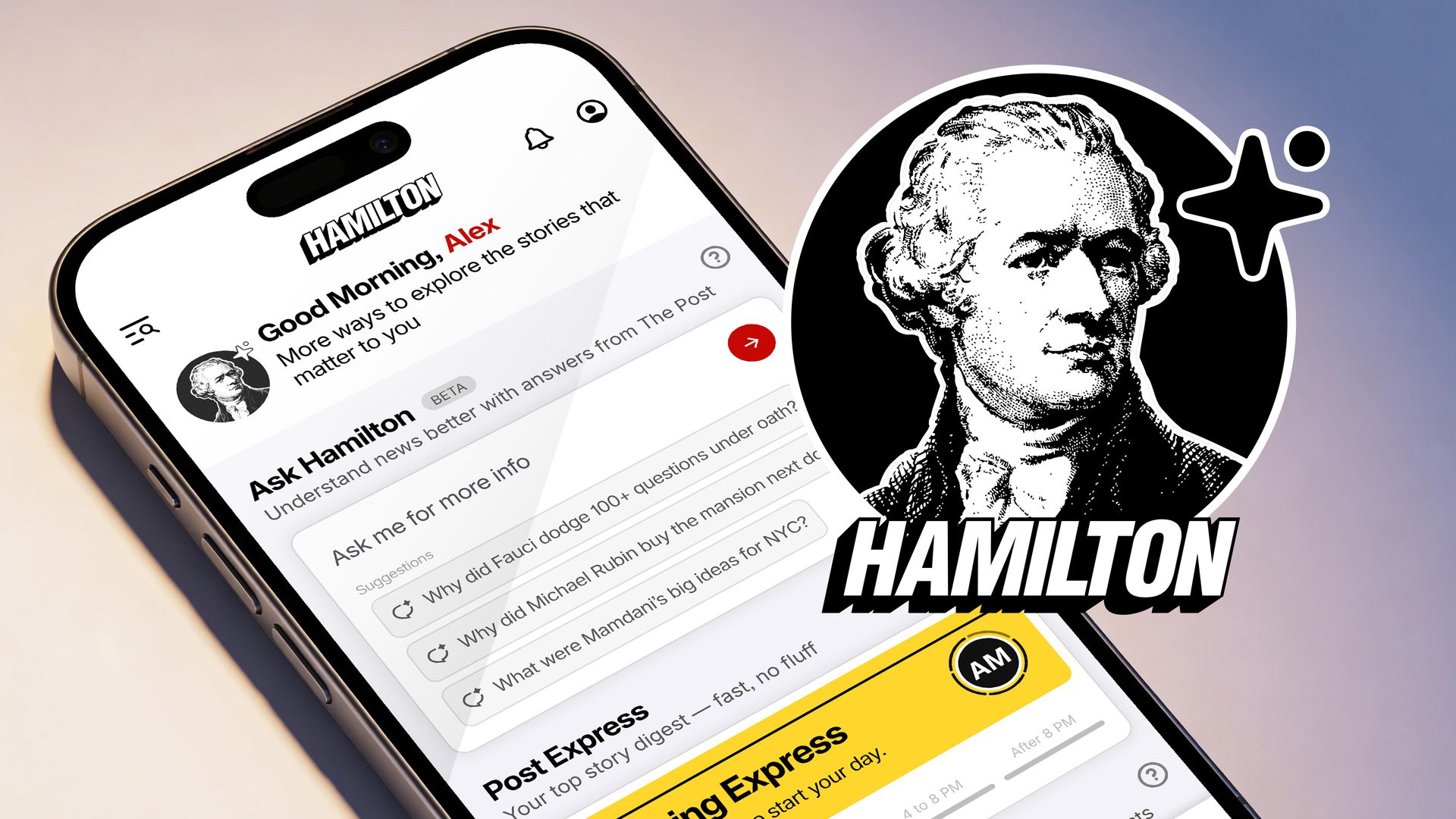
New York Post Hamilton AI Chatbot: What It Means for Newsrooms
The New York Post Hamilton AI chatbot story is a useful warning shot for anyone who runs a newsroom, product team, or media business. AI assistants can speed up search, summarize archive material, and answer routine questions. But the same tool can also confuse readers, flatten context, or repeat errors at scale. That is the problem now. Publishers want faster audience products, and they want them without hiring a small army. But if you bolt a chatbot onto a trusted brand without tight controls, you risk turning speed into a liability. How do you give readers useful answers without handing them a machine that talks with more confidence than care?
- Speed is easy. Accuracy is the hard part.
- Brand trust is fragile. One wrong answer can travel fast.
- Archive access needs rules. Old reporting is not always ready for direct chatbot output.
- Human review still matters. AI can assist, but it should not improvise facts.
Why the New York Post Hamilton AI chatbot matters
The New York Post Hamilton AI chatbot case sits at the intersection of product ambition and editorial risk. News publishers have spent years trying to make their archives easier to use. A chatbot looks like a clean fix. Ask a question, get an answer, move on.
But a newsroom is not a restaurant menu. The user does not just want a response. They want a response that reflects reporting, context, and the right level of caution. If the model blends headlines, fragments, and outdated copy, the result can sound polished while still being wrong.
AI in publishing fails fastest when teams treat it like a shortcut instead of an editorial system.
Where chatbots help and where they break
Chatbots are good at repetitive tasks. They can help readers find stories, surface related coverage, and point them to source material. They can also handle boring support work, which is where automation actually earns its keep.
They break down when the question needs judgment. Was a quote sarcastic? Did a later correction change the meaning? Does a 2019 story still reflect current facts? Those are editorial questions, not autocomplete problems.
Practical uses that make sense
- Search the archive by topic, person, or event.
- Summarize a reporter’s published coverage with links back to source articles.
- Answer membership or subscription questions.
- Guide readers to live blogs, explainers, and correction pages.
Think of it like a kitchen line. A chatbot can plate the salad. It should not decide the recipe.
What publishers should learn from the New York Post Hamilton AI chatbot story
If you are building an AI feature on top of journalism, your first job is not novelty. It is control. That means clear guardrails, strong logging, and a clean handoff to a human when confidence drops. It also means deciding what the bot should never answer.
That line matters.
Here are the basics that separate a useful product from a reputational mess:
- Limit the source set. Do not let the bot roam across unvetted web pages.
- Show citations. Readers should see where an answer came from.
- Build refusal behavior. The bot should say no when it lacks confidence.
- Track errors. Every bad answer is a product issue and an editorial issue.
- Test with real newsroom questions. Synthetic prompts are too clean.
And yes, this means more work up front. But that work is cheaper than explaining to readers why a chatbot made your brand look sloppy.
How to build trust around AI in a newsroom
Trust does not come from a disclaimer buried in a footer. It comes from design choices people can feel. If the bot cites sources, uses plain language, and fails safely, readers will forgive limits. If it makes stuff up, they will not care how modern the interface looks.
Publishers should also separate discovery from interpretation. Discovery can be automated. Interpretation should stay close to editorial oversight, especially when the topic involves legal issues, health, elections, or violence. That is not a philosophical stance. It is basic risk management.
One more thing. If you are adding a chatbot because competitors are doing it, pause. Are you solving a reader problem, or just dressing up a product roadmap?
What to watch next
The next wave of newsroom AI will not be about flashy demos. It will be about boring controls, audit trails, and better integration with CMS archives. The winners will not be the publishers with the loudest launch video. They will be the ones that make the bot useful, bounded, and easy to challenge.
That is the real test for the New York Post Hamilton AI chatbot story. Not whether the feature exists, but whether it can serve readers without turning confidence into chaos. If your newsroom is thinking about the same move, start with the failure modes. What would the bot get wrong on a bad day, and who catches it before readers do?
That question is where the real product strategy begins.