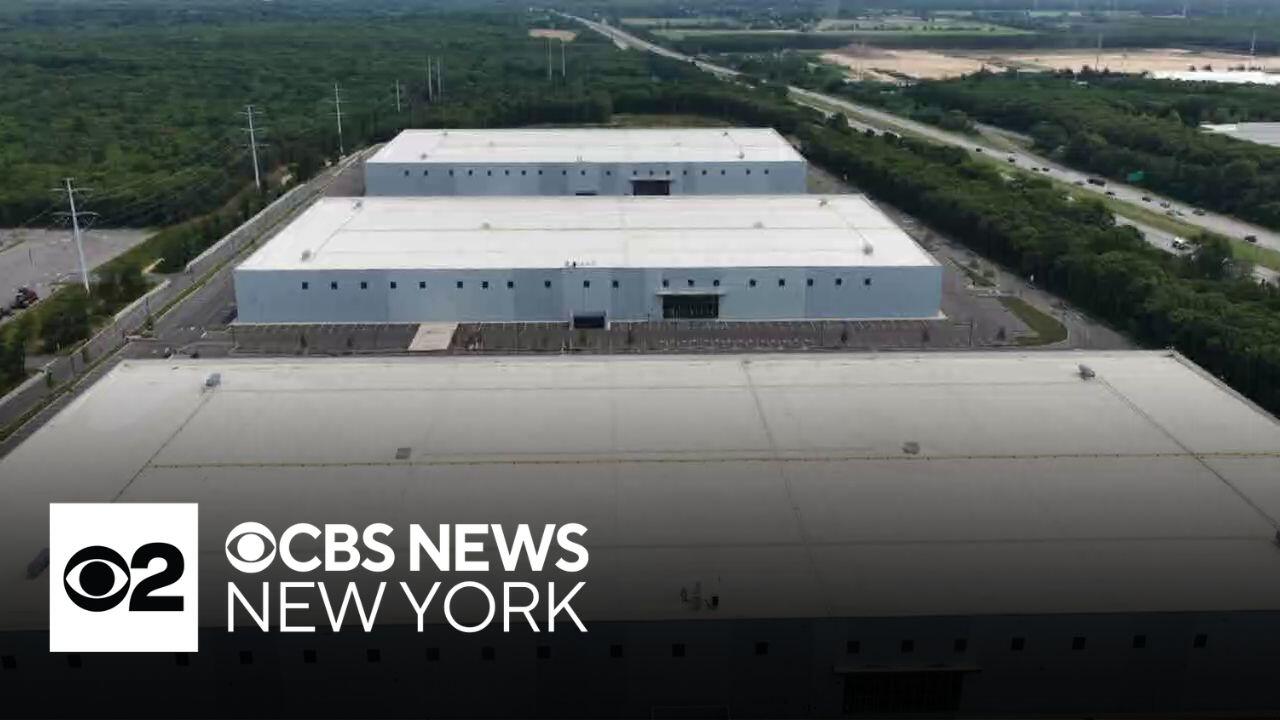
New York State Halts New Data Center Construction
New York State has put a hard brake on new data center construction, and that matters if you care about AI capacity, grid pressure, or where the next wave of digital infrastructure gets built. The New York data center moratorium is not a small zoning fight. It reaches into energy policy, economic development, and the real cost of powering large-scale computing. If you build, fund, or depend on cloud services, you should pay attention now. Power is the choke point. Land is easy. Permits are not. And once a state starts questioning the tradeoffs behind these facilities, everyone else notices.
What New York is signaling
- New York data center moratorium puts new projects on hold and raises the bar for future approvals.
- Electricity demand is now a central issue, not an afterthought.
- Developers may face longer timelines, tougher reviews, and more local pushback.
- AI infrastructure planning is moving from fast expansion to resource triage.
Why the New York data center moratorium matters now
Data centers used to win approval by promising jobs and tax revenue. That pitch is getting weaker. These facilities can consume enormous amounts of power and water, and local communities are asking who pays the bill when the grid gets stressed. The question is simple. Why should a state keep approving energy-hungry projects if the utility system cannot keep up?
New York is not alone here. Virginia, Oregon, and parts of Texas have all faced the same strain, although each state is handling it differently. The difference in New York is tone. This is not a tweak at the margins. It is a visible pause, and that changes how investors and operators model risk.
The real story is not the construction halt itself. It is the fact that state policymakers are now treating data centers like major energy infrastructure, not just commercial real estate.
What developers and cloud buyers should do next
If you are planning a build in New York, expect a longer path. If you buy capacity from a provider that depends on New York power or land, ask where expansion will happen next. The answer may be outside the state.
- Review your siting pipeline. Identify which projects depend on New York approvals, utility upgrades, or water access.
- Stress-test your power assumptions. Ask whether your planned load still works if interconnection timelines slip.
- Check your contract terms. Make sure delay clauses and expansion commitments reflect this new reality.
- Watch local hearings. State policy often starts as a county fight with better publicity.
Think of it like building a stadium without securing transit. The structure may be ready, but the system around it is not. That is where these projects are getting stuck.
How this affects AI buildout plans
AI companies need dense compute, fast timelines, and reliable electricity. Those three demands are colliding with public scrutiny. The New York move will not stop AI growth, but it may push capacity toward states with looser permitting and heavier power margins.
That has consequences. More concentration in a few regions can raise price pressure on power, land, and labor. It can also create bottlenecks if every major operator chases the same grid-friendly locations. And once that pattern sets in, it is hard to reverse.
State regulators are also sending a broader message. Growth is no longer enough. The energy math has to work.
What to watch next
Look for three signals. First, whether New York sets clearer rules for what kinds of facilities can proceed. Second, whether utilities respond with new rate structures or capacity requirements. Third, whether other states copy the pause or use it to attract projects that New York is pushing away.
That is the real competitive map now. Not just chips, software, or model performance. Power. Permits. Politics. Which state will be next to draw a line?