Nvidia AI Energy Use Is the Climate Fight Ahead
Your AI tools do not run on vibes. They run on chips, data centers, cooling systems, power contracts, and grid connections that can take years to build. That is why Nvidia AI energy use has become a live climate and business issue, not a side argument for policy panels. The Verge recently put Jensen Huang at the center of that debate, asking whether the Nvidia chief is being cast as an AI climate villain as demand for GPUs keeps rising. The better question is harder: who pays for the power, who accounts for the emissions, and who gets to claim the benefits? I have covered tech long enough to know this pattern. First comes the product race. Then comes the infrastructure bill. AI is now at that second stage, and the numbers are too large to hand-wave.
What Matters Right Now
- Nvidia sits at the center of AI demand because its GPUs power much of the current training and inference market.
- Data center electricity use is rising, and the International Energy Agency has warned that global data center power demand could more than double from 2022 levels by 2026.
- Jensen Huang argues AI can help solve energy and climate problems, but that claim needs proof at the grid level.
- The real fight is accountability: companies should report energy use, water use, carbon impact, and efficiency gains in plain numbers.
Why Nvidia AI Energy Use Became a Flashpoint
Nvidia did not create the data center boom alone. Cloud giants, AI labs, chip buyers, utilities, and investors all helped build this moment. Still, Nvidia is the name on the box, and Huang is the public face of the AI buildout.
The company’s H100 and newer Blackwell chips became the status symbols of the generative AI race. If you wanted to train a frontier model, you needed access to Nvidia hardware, or to a cloud provider that had it. That gave the company huge pricing power and turned GPUs into a new kind of industrial input.
Look, this is not mysterious. More chips mean more racks. More racks mean more electricity. More electricity means more pressure on local grids, especially in regions already dealing with delayed interconnection queues and aging transmission lines.
The climate issue is not whether AI is good or bad in the abstract. It is whether the companies building it can prove that its benefits outrun its energy costs.
Jensen Huang’s Climate Argument, Minus the Hype
Huang’s case is fairly simple. AI, he argues, can make other systems more efficient. It can improve drug discovery, factory planning, weather forecasting, grid management, robotics, and scientific modeling. If AI reduces waste across the economy, its own power use may be justified.
That argument is plausible. It is not settled.
Here’s the thing: efficiency gains often create more demand. Economists call this the rebound effect. If AI makes it cheaper to generate code, produce video, search documents, or run customer support, companies may do far more of those things. The bill can rise even when each task gets cheaper.
Think of it like a restaurant kitchen. A faster oven can cook each dish with less waste, but if the chef adds 200 more orders a night, the gas bill still climbs. AI infrastructure works the same way. Per-query efficiency matters, but total use matters more.
What Nvidia AI Energy Use Means for Data Centers
Modern AI data centers are not normal server rooms with a fancier badge. They are dense compute sites with high power draw, specialized cooling, and intense networking needs. Some operators now discuss campuses that require hundreds of megawatts, which puts them in the same conversation as heavy industry.
The International Energy Agency estimated that data centers and data transmission networks accounted for roughly 1 to 1.3 percent of global electricity use in 2022. That share may sound small, but growth is concentrated and uneven. A single county can feel the strain long before the global percentage looks scary.
And power is only part of the story. Water used for cooling can become a local flashpoint. So can noise, land use, tax breaks, and transmission upgrades. If a community sees higher utility costs while a tech company claims climate progress in a glossy report, expect backlash.
The metric that matters most
Companies love to talk about power usage effectiveness, or PUE. It is useful, but incomplete. A low PUE means a facility wastes less energy on cooling and overhead. It does not tell you whether the electricity comes from coal, gas, nuclear, hydro, solar, or wind.
You should look for a fuller set of numbers:
- Total electricity consumed, not only efficiency ratios.
- Carbon intensity by region and hour, not annual averages alone.
- Water consumption and local water stress.
- Hardware life cycle emissions, including chip manufacturing.
- Clear reporting on training versus inference workloads.
Why the Supervillain Frame Misses the Point
The Verge’s framing lands because Huang has become the face of AI’s physical footprint. But calling one CEO a supervillain is too easy. It lets everyone else off the hook, including cloud providers, model developers, enterprise buyers, regulators, and consumers who ask for AI features in every app.
Still, Nvidia does not get a free pass. Its chips shape what the market builds. Its roadmap affects power density, cooling design, and server refresh cycles. If the company wants credit for AI’s upside, it also has to accept scrutiny over the infrastructure race it profits from.
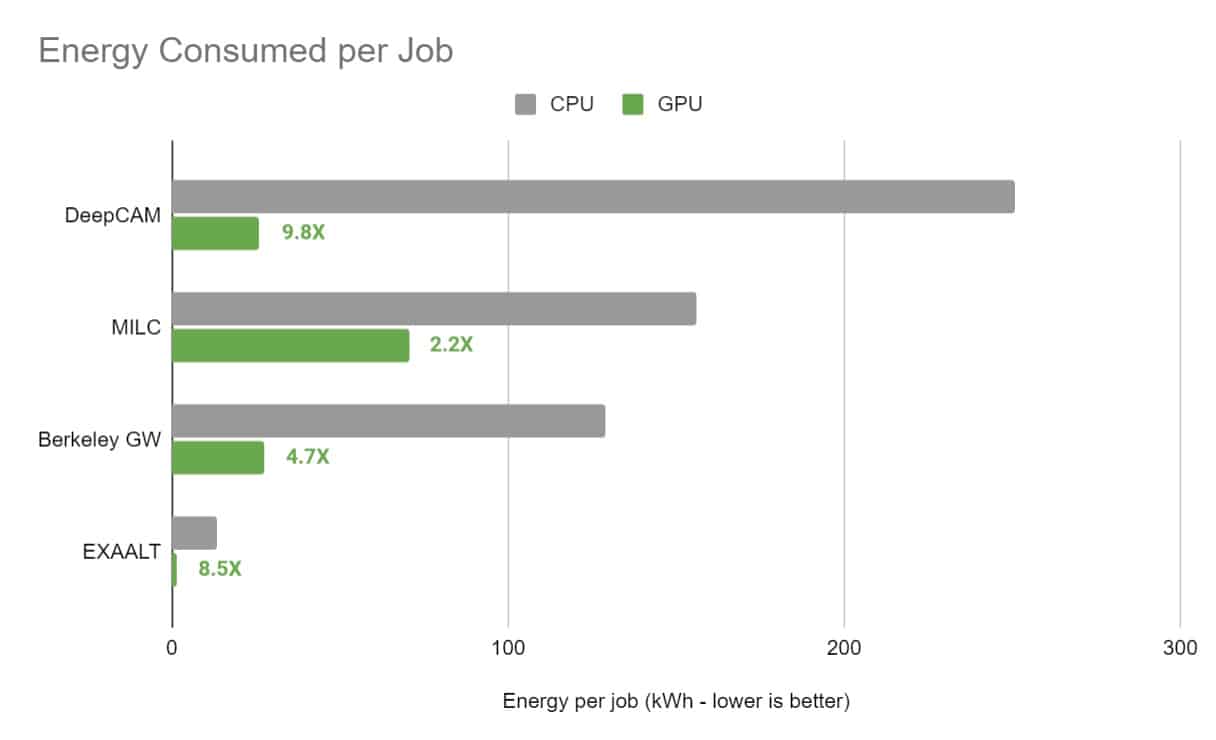
What should Nvidia do? Publish more direct, comparable data on performance per watt across real workloads. Support open efficiency benchmarks. Help customers extend hardware life where possible. And push suppliers toward cleaner manufacturing with timelines that investors can track.
Honestly, the industry needs less moral theater and more accounting.
How Buyers Should Evaluate Nvidia AI Energy Use
If your company is buying AI capacity, do not treat energy as someone else’s problem. It will show up in cloud pricing, procurement audits, sustainability reports, and eventually regulation. Europe is already moving toward more data center reporting, and U.S. states are watching grid demand more closely.
Before you sign a major AI deal, ask vendors blunt questions:
- Where will the workload run, and what is the local grid mix?
- Can the provider report hourly carbon data?
- What chips will run inference, and are smaller models an option?
- Will caching, batching, or model routing reduce unnecessary compute?
- Can the same task run on a smaller model with similar accuracy?
That last question is underrated. Many business tasks do not need the largest model available. Document tagging, simple support triage, internal search, and formatting jobs can often run on smaller systems. Bigger is not always better. Sometimes it is just more expensive.
The Hard Question for AI and Climate
Can AI cut more emissions than it creates? That is the question Huang, Nvidia, and the wider industry need to answer with evidence. Not vibes. Not stage demos. Evidence.
There are promising use cases. AI can help forecast renewable generation, optimize building energy use, detect methane leaks, and speed materials research. Google has published work on data center cooling optimization. Utilities are testing AI for grid management. Climate scientists use machine learning to improve models and process satellite data.
But the gap between a useful pilot and economy-wide climate benefit is large. A pilot saves megawatts. The AI buildout may demand gigawatts. The math has to close.
What Comes Next
Nvidia is not the only actor in this story, but it is the one with the biggest spotlight. Huang’s best defense is not a sharper quote. It is better disclosure, better efficiency, and real proof that AI reduces waste outside the data center.
If you run a business, ask for energy data before you buy AI at scale. If you invest in AI companies, ask how revenue growth maps to power demand. And if you regulate this sector, start with measurement. You cannot manage what companies are allowed to hide.
The next phase of AI will be judged by models, margins, and megawatts. Which one will break first?