Nvidia AI Stack Bet Meets Apple’s Ternus Era
You can feel the pressure building across Big Tech. The Nvidia AI stack is no longer a chip story alone, and Apple’s next hardware era may soon have a new face if John Ternus keeps rising inside Cupertino. TechCrunch’s podcast put those two threads side by side, which is the right framing. One company is trying to own more of the machinery behind AI. The other is trying to prove its product culture can survive a generational handoff. That matters now because AI spending, device upgrades, and leadership trust are starting to collide in boardrooms and product labs.
What Matters Most
- Nvidia is pushing beyond GPUs into systems, software, networking, and cloud partnerships.
- Apple’s John Ternus represents a possible hardware-first succession path after Tim Cook.
- The Nvidia AI stack strategy raises the stakes for rivals that only control one layer.
- Apple’s AI challenge is less about slogans and more about shipping features people use daily.
- Investors should watch execution, not stagecraft.
Why the Nvidia AI Stack Is Bigger Than GPUs
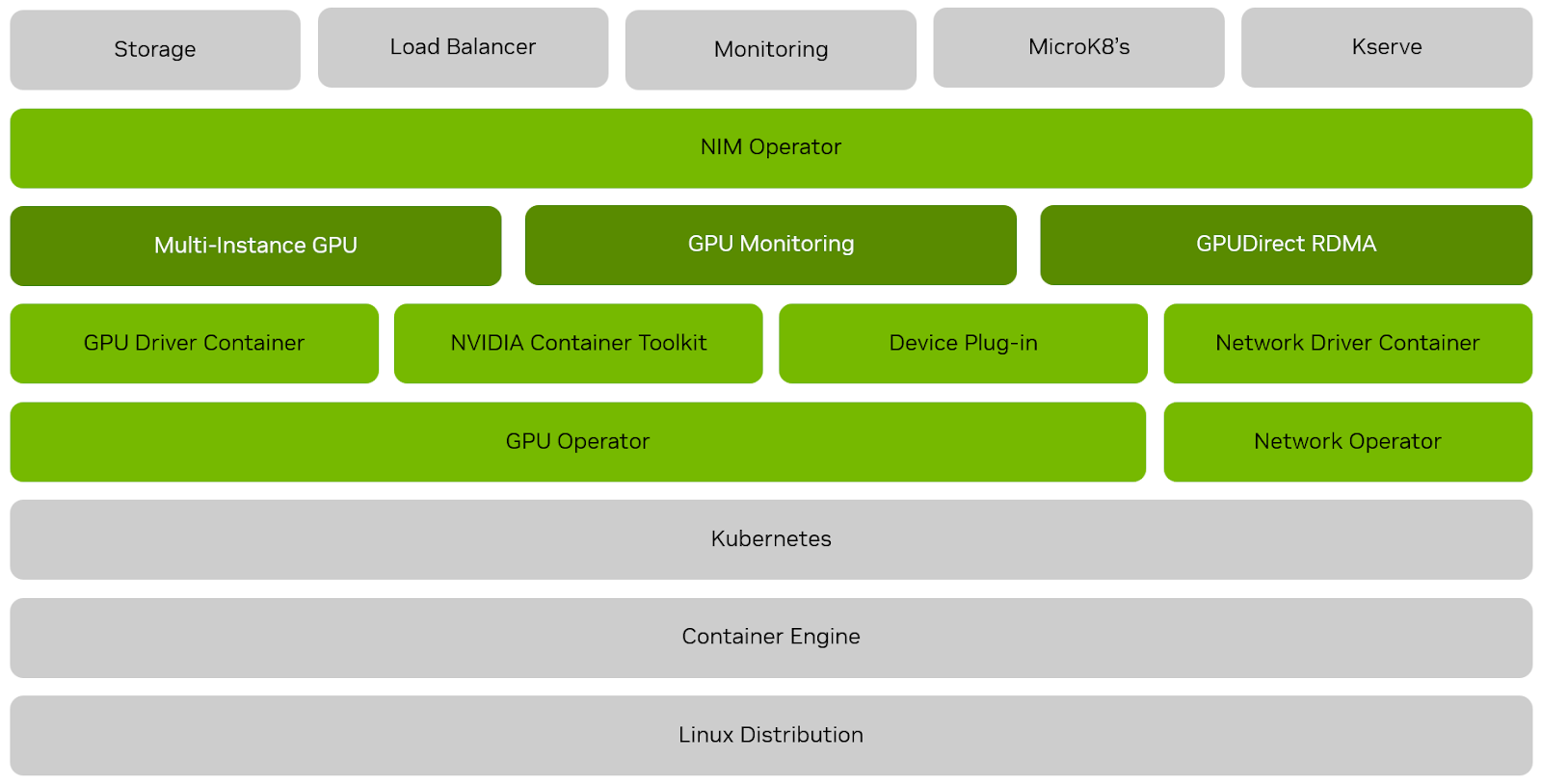
Nvidia’s rise is often described as a GPU boom, but that undersells the play. The company has spent years tying chips, CUDA software, networking, servers, and developer tools into one buying path for AI labs and enterprise customers. That is not accidental. It is the difference between selling flour and selling the whole bakery setup.
The TechCrunch discussion points to a broader truth: Nvidia wants to sit across the full AI supply chain. GPUs remain the headline product, yet the margin and moat come from making everything around them work better together. Buyers want speed, but they also want fewer integration headaches, predictable scaling, and vendor accountability.
In AI infrastructure, the winner is often the company that removes the most friction from the buyer’s day.
That is why networking gear, reference systems, software libraries, and cloud access all matter. A CIO does not wake up wanting a specific accelerator for its own sake. They want training jobs to finish, inference costs to fall, and teams to stop blaming each other when clusters stall.
The Nvidia AI Stack Also Creates Risk
Here’s the thing: full-stack control is powerful until customers start to feel boxed in. Nvidia’s advantage is real, but hyperscalers such as Amazon, Google, and Microsoft have every reason to reduce dependence on one supplier. They are building custom silicon, tuning internal models, and pushing open software where it helps their own economics.
What happens if customers love Nvidia’s performance but hate the bill? That is the opening for AMD, Intel, Google TPUs, AWS Trainium, and a long list of startups with cheaper inference pitches. Most will not dent Nvidia near term. A few may carve out real use cases where cost matters more than peak training speed.
Lock-in cuts both ways.
Nvidia’s smartest move has been to make its ecosystem feel less like a trap and more like the shortest road to production. That is a hard balance. If pricing gets too aggressive or supply stays tight, large buyers will fund alternatives with even more urgency.
Apple’s Ternus Era Is Really a Trust Test
John Ternus has become one of Apple’s most watched executives because he sits close to the company’s core identity: hardware that feels finished. He has led major hardware engineering work and has appeared more often in Apple’s product presentations. If Apple is preparing a post-Cook leadership bench, Ternus is an obvious person to watch.
But Apple succession talk often gets too tidy. Tim Cook did not replace Steve Jobs by acting like Jobs. He scaled Apple into a services and operations giant while protecting the iPhone profit engine. A Ternus era, if it happens, would need its own mandate rather than a nostalgia act.
For Apple, the question is simple and uncomfortable. Can a hardware-led executive sharpen the company’s AI story without turning Apple into a cloud lab cosplay? The answer will depend on products, not keynote polish.
Apple’s AI Problem Is Product Fit
Apple does not need to beat OpenAI, Anthropic, or Google at every benchmark to win with consumers. It needs AI features that make the iPhone, Mac, iPad, Apple Watch, and Vision Pro more useful without wrecking privacy or battery life. That sounds narrow, but narrow is where Apple tends to make money.
Think about the iPhone like a restaurant kitchen. Apple does not need to grow the tomatoes, build the oven, and run the delivery truck for every dish. It needs the meal to arrive hot, consistent, and worth the price. AI can come from on-device models, private cloud compute, and outside partners if the experience feels coherent.
The danger is that Apple’s careful pace starts to look like hesitation. Consumers are seeing AI features arrive in search, writing tools, photo editing, coding, customer support, and workplace apps. If Apple Intelligence feels late or thin, even loyal users will notice.
Where Apple and Nvidia Intersect
Apple and Nvidia are not direct twins, but they share one strategic instinct: control the parts that shape the user experience. Nvidia applies that logic to AI factories. Apple applies it to devices, operating systems, silicon, retail, and services. Both companies distrust loose ends.
The difference is where the center of gravity sits. Nvidia sells shovels, maps, and machinery to the AI gold rush. Apple sells the polished object in your hand and the services wrapped around it. One benefits when companies spend billions training models. The other benefits when AI becomes a reason to upgrade devices.
That is why the next phase matters. If AI workloads keep shifting toward inference on devices, Apple’s silicon work becomes more valuable. If massive model training and data center inference keep eating budgets, Nvidia stays in the tollbooth position. Both can win, but the profit pools will not be evenly shared.
What to Watch Next in the Nvidia AI Stack
Do not judge Nvidia only by quarterly GPU demand. That number matters, of course, but it is a lagging signal for a bigger platform fight. Watch the pieces around the chip.
- Networking adoption: Faster interconnects can decide whether large clusters run well or waste expensive capacity.
- Software stickiness: CUDA and related tools remain a major reason developers stay.
- Enterprise AI sales: Corporate buyers move slower than labs, but they can produce durable revenue if use cases prove out.
- Cloud partnerships: Nvidia needs hyperscalers, even as those same partners build alternatives.
- Inference economics: Training gets attention, but inference can become the daily meter that everyone pays.
The bearish case is not that Nvidia suddenly becomes weak. It is that the market becomes more segmented. Some buyers will pay top dollar for best-in-class systems, while others will choose cheaper chips, smaller models, or managed AI tools that hide the hardware layer.
What to Watch If Apple’s Ternus Era Takes Shape
If Ternus becomes the central figure in Apple’s next chapter, the early clues will show up in product cadence and technical choices. Does Apple simplify the iPad line? Does the Mac keep gaining share through Apple silicon? Does Vision Pro become a platform or stay an expensive developer showcase?
AI will be the hardest test because it touches everything. Apple has to connect Siri, app intent, personal context, privacy, and developer tools without making the system feel needy or strange. That is a lot of plumbing for a company that prefers finished rooms over exposed pipes.
Look, Apple still has advantages most companies would envy: control of the operating system, custom chips, loyal users, retail reach, and a services base. But AI has shortened patience across the industry. A feature that ships two years late cannot be saved by a prettier settings screen.
The Next Move Is Execution
The TechCrunch podcast is useful because it avoids treating these as separate gossip items. Nvidia’s full-stack ambition and Apple’s leadership path both ask the same question: who gets to define the next computing layer? That answer will not come from one keynote or one earnings beat.
For now, track what ships. Nvidia has to prove its AI stack can stay worth the premium as alternatives mature. Apple has to prove its next leadership chapter can pair hardware taste with AI utility. The companies that win from here will be the ones that make complex systems feel boringly dependable. Are Apple and Nvidia both built for that kind of pressure, or is one of them better at the story than the grind?