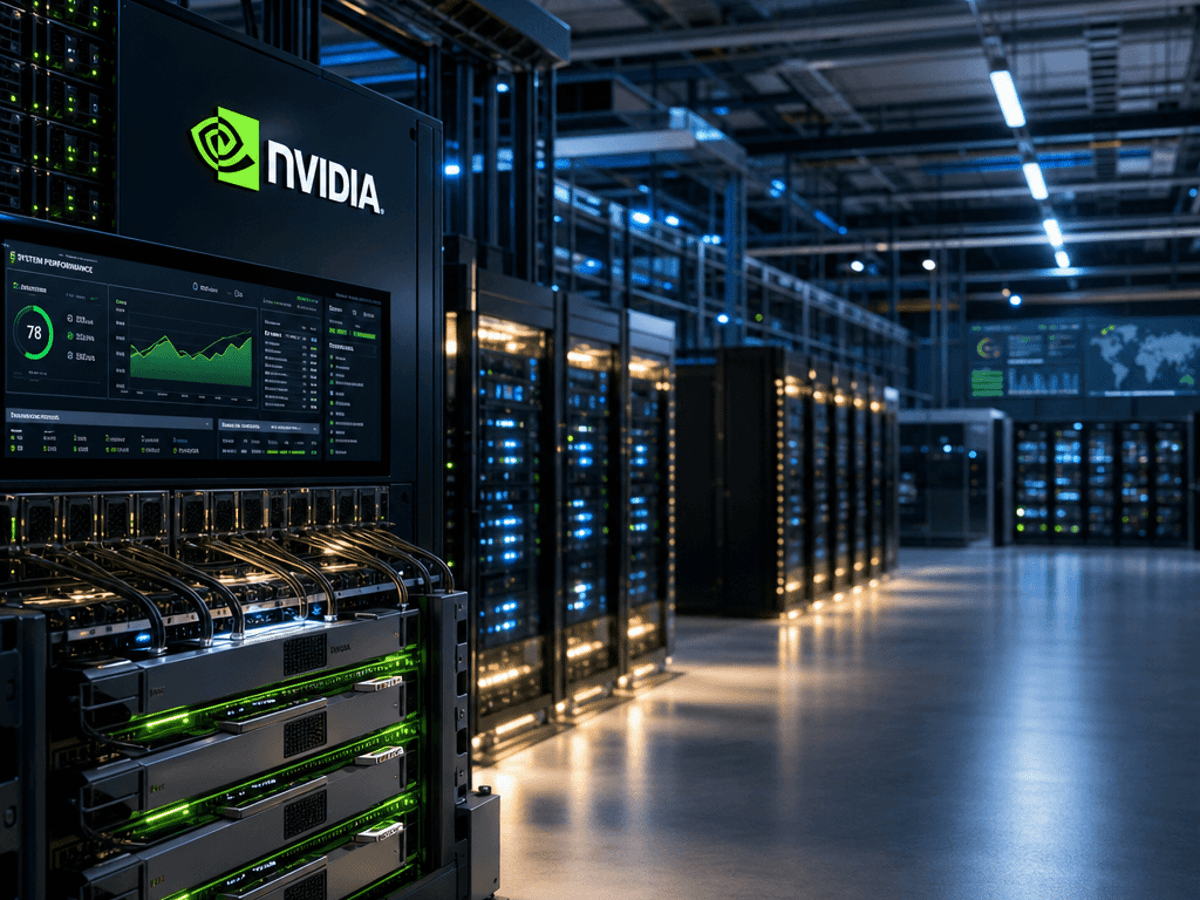
Nvidia and Cloverleaf Data Center Deal Explained
AI teams keep chasing faster models, but the bottleneck has moved. The real problem is getting enough power, space, and cooling to run the hardware behind them. That is why the Nvidia Cloverleaf data center partnership matters. It is not just another vendor handshake. It signals that the next phase of AI growth depends on physical infrastructure as much as chips and software.
Look, the industry has spent years talking about algorithms. The bill is coming due in concrete, copper, and megawatts. If you build or buy AI systems, you need to understand where this is headed, because capacity now shapes what you can ship, how fast you can scale, and what it will cost.
What stands out about the Nvidia Cloverleaf data center partnership
- It connects GPU demand to real estate and utility planning.
- It shows how AI infrastructure is becoming a supply chain problem.
- It gives Nvidia another way to influence where compute gets built.
- It raises the bar for data center developers that want AI tenants.
Why Nvidia Cloverleaf data center news matters now
Nvidia has become the center of the AI hardware market, but chips alone do not run a workload. They need racks, networking, power distribution, liquid cooling in many cases, and a site that can handle density. A partnership with a data center developer like Cloverleaf shows Nvidia is moving closer to the physical layer that makes AI deployment possible.
That matters because demand is no longer theoretical. Cloud providers, startups, and enterprises all want the same scarce ingredients. And when supply tightens, the winners are the companies that secured capacity early, not the ones with the flashiest demo.
The AI race is starting to look less like software and more like industrial planning. If you cannot get power, you do not get scale.
Think of it like a kitchen during dinner service. A famous chef can design the menu, but if the burners fail and the ovens are full, the meal still stalls. That is where AI is right now.
What this means for data center developers
For developers, the bar keeps rising. A basic colocation site is no longer enough if your customers want dense GPU clusters. You need stronger grid access, better cooling designs, and a faster path from land purchase to energized capacity.
That creates a hard split in the market. Sites near cheap power and favorable permitting become strategic assets. Sites without those advantages risk becoming stranded inventory.
Three practical pressures developers now face
- Power availability. Utility queues can drag projects out for years.
- Thermal design. Air cooling is not always enough for modern AI loads.
- Financing confidence. Lenders want proof that tenants will actually take the space.
Why the Nvidia Cloverleaf data center strategy is smart
From Nvidia’s side, this kind of move is obvious. If your customers struggle to find places to deploy your chips, your addressable market shrinks. By working closer to developers, Nvidia can help reduce friction for buyers who want to stand up AI capacity faster.
It also helps Nvidia stay embedded in the ecosystem. The company already shapes software, systems, and chip design. Adding infrastructure relationships gives it more leverage over how AI clusters are built and sold.
That is the real story here. Nvidia is not only selling GPUs. It is helping define the environment those GPUs live in.
Who should pay attention to the Nvidia Cloverleaf data center deal?
If you run enterprise infrastructure, this is your signal to revisit your capacity plan. If you are a cloud buyer, you should ask where your next AI workloads will live and how long that space is reserved. If you work for a utility or local government, expect more pressure from developers chasing large loads.
And if you are an investor, look past the headline. The valuable question is not whether AI demand exists. It does. The question is which companies can actually deliver powered, cooled, and connected sites at scale.
What good is a GPU pipeline if the building cannot keep up?
What to watch next
The next clues will come from three places. First, whether Cloverleaf adds more capacity deals tied to AI tenants. Second, whether Nvidia deepens its role in site planning, systems design, or partner financing. Third, whether utilities and regulators speed up approvals for large-load projects.
Those details will tell you whether this partnership is a one-off or the start of a broader play. My bet is that it is the latter. The AI market is maturing, and the companies that control the boring parts, the land, the power, and the cooling, may end up with more leverage than the ones making the loudest claims.
Watch who gets energy first. That is where the next AI advantage will be built.