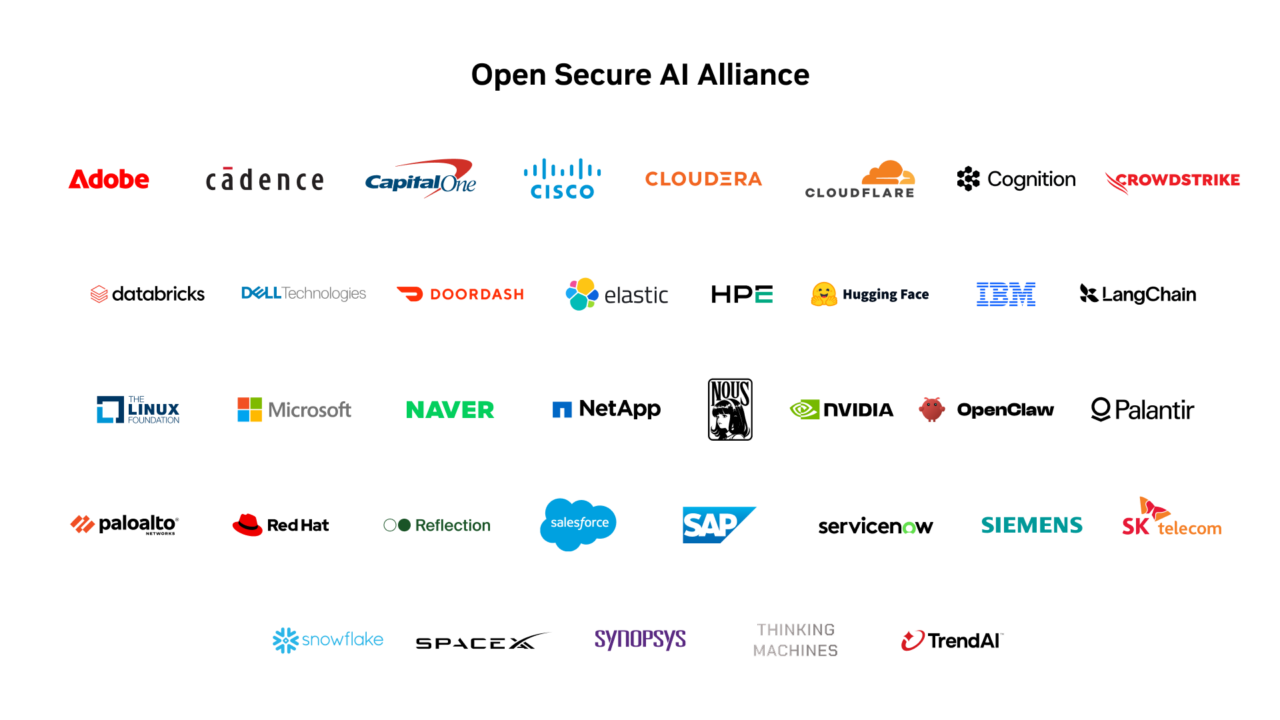
Nvidia’s Open Secure AI Alliance Explained
Your AI stack is getting bigger, and the attack surface is growing with it. That is why the Open Secure AI Alliance matters now. Nvidia is pushing security vendors, cloud players, and enterprise teams toward a shared set of practices for defending AI systems, from models and data pipelines to inference endpoints and agents. The pitch sounds simple. Build AI faster without leaving every door unlocked.
But the real question is harder. Can an industry alliance actually improve AI security, or is this just another badge for vendors to wave around? Look, if you are already deploying models into customer-facing workflows, the answer is not academic. One weak link can expose training data, prompt logs, credentials, or the model itself. And once that happens, cleanup gets ugly fast.
What stands out about the Open Secure AI Alliance
- It focuses on practical defense, not vague principles.
- It pulls security into the AI build process instead of bolting it on later.
- It gives enterprises a common vocabulary for risk, controls, and testing.
- It signals that AI security is now a platform issue, not a side project.
Why the Open Secure AI Alliance exists
AI systems fail in messy ways. A chatbot can leak sensitive context through prompt injection. A model pipeline can inherit poisoned data. An exposed API can turn a useful assistant into a liability. These are not abstract threats. They are the kind that hit security teams, legal teams, and product teams at the same time.
Nvidia’s move is aimed at that chaos. The alliance is meant to bring together companies that build or protect AI infrastructure so they can agree on how to harden systems, share methods, and reduce duplicated work. Think of it like a building code for a city that started putting up towers before it agreed on fire exits. Without shared rules, every team improvises, and improvisation is expensive when the blast radius is digital.
AI security is not one control. It is a chain. Break one link and the whole system starts to wobble.
How the Open Secure AI Alliance changes the enterprise playbook
If you run AI in production, the alliance matters for three reasons. First, it may push vendors to standardize security guidance around the full AI lifecycle. Second, it could make procurement easier because buyers will have a clearer way to compare controls. Third, it may shorten the gap between what security teams want and what platform teams actually ship.
That sounds tidy. It will not be tidy in practice. Enterprise AI is a mix of open-source models, cloud services, internal data, and third-party tooling. A security framework only helps if teams use it during design, deployment, and monitoring.
Where the biggest risks sit
- Data exposure. Training sets and retrieval stores often contain sensitive material.
- Prompt injection. Attackers can manipulate model behavior through user input or external content.
- Model theft. APIs and weights can be targeted if access controls are weak.
- Supply chain gaps. Packages, plugins, and connectors can introduce hidden risk.
That list reads like a security checklist, because that is what it is. AI is not magic. It is software with a more complicated failure mode.
What you should do now if you are building with AI
You do not need to wait for the alliance to finish its work. You can tighten your own controls today. Start with the boring stuff, because boring stuff blocks real breaches.
- Inventory every model you use, including vendor-hosted tools.
- Map data flows from input to storage to logging.
- Restrict tool access for agents and assistants.
- Test for prompt injection before launch, not after a complaint.
- Review vendor claims against your own threat model.
And keep an eye on logging. Too much detail can expose secrets. Too little detail can leave you blind when something breaks. That balance is awkward, but that is where the work lives.
One single rule matters more than the rest. Treat AI systems like production infrastructure, not demos with a nicer interface.
Why this alliance could matter, and where it may fall short
The Open Secure AI Alliance may help if it produces usable guidance, shared testing methods, and vendor accountability. It may fall flat if it becomes a branding exercise with no teeth. That tension is the whole story.
Security alliances often stumble when they stay too high-level. Enterprises need specifics. They need controls, test cases, benchmarks, and proof that a vendor’s AI stack can resist common attacks. Anything less is noise.
Still, Nvidia has reach, and reach matters. If major infrastructure players start aligning around the same security expectations, procurement teams will notice. So will CISOs. And if that pressure spreads, the market could finally start treating AI security as non-negotiable instead of optional window dressing.
The next move for buyers and builders
Watch whether the Open Secure AI Alliance publishes concrete guidance that you can apply to model deployment, agent controls, and data protection. That will tell you whether this is real progress or just another working group with a slick name. Until then, ask your vendors one blunt question: how exactly does your AI stack defend against prompt injection, data leakage, and model abuse?
That answer will tell you more than any logo ever will.