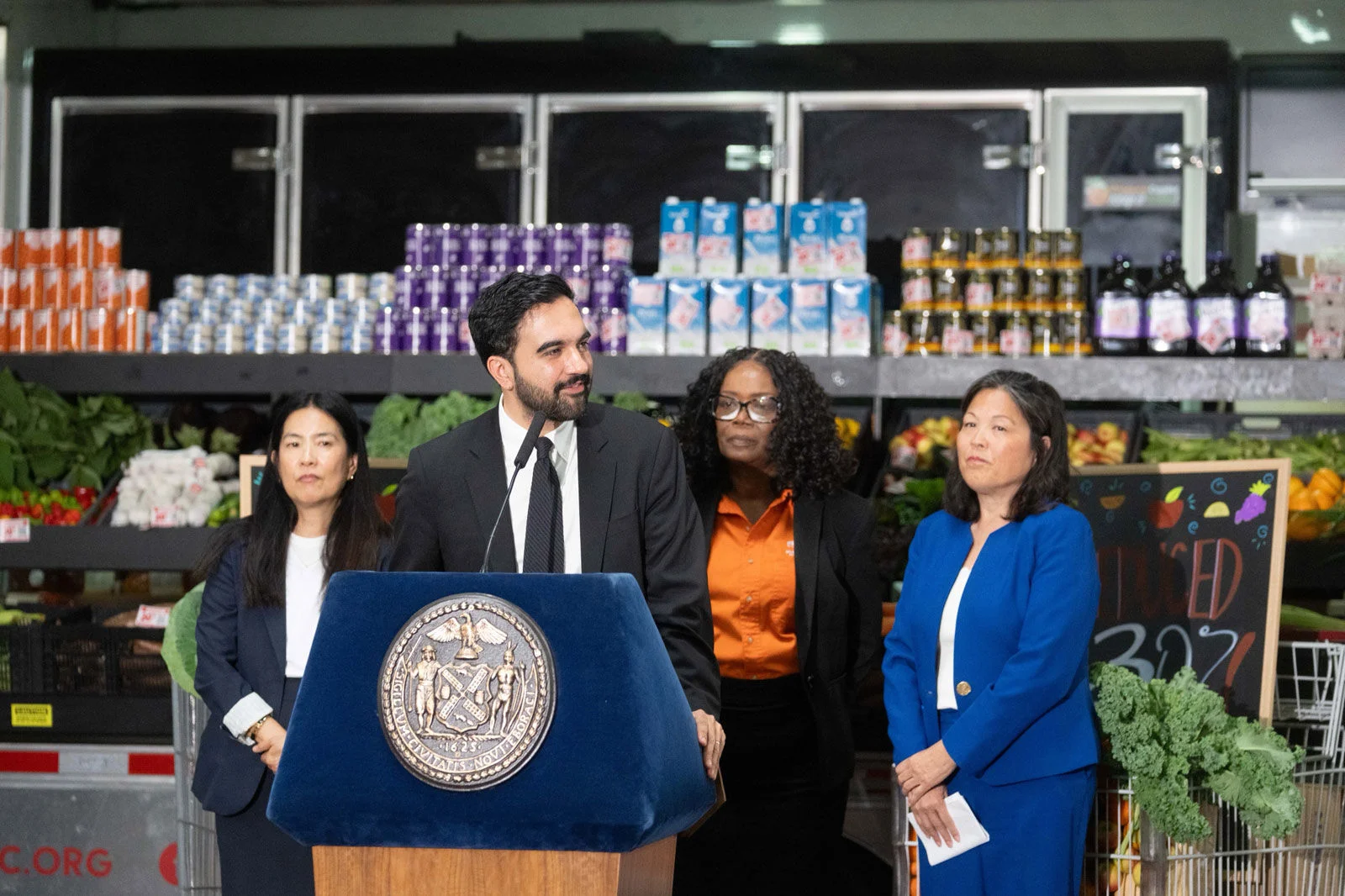
NYC’s 30% Grocery Discount Plan Explained
New Yorkers are paying too much for food, and the pressure is landing hardest on households already stretched by rent, transit, and utility bills. The 30% grocery discount plan from Mayor Mamdani aims to lower prices on everyday staples, including all produce, and that makes it one of the most closely watched food policy moves in the city right now. Why does this matter? Because grocery bills are one of the few expenses people cannot delay, and even a modest cut can change what ends up in your cart. The real question is not whether people want cheaper food. Of course they do. The question is whether this plan can be implemented cleanly, fairly, and at scale.
What the 30% grocery discount plan promises
- Lower prices on groceries, with a stated 30% discount target.
- Coverage for all produce, which could make fresh food easier to buy.
- Direct relief for families who feel food inflation every week.
- A policy signal that food affordability is now a city-level priority.
This is not a minor tweak. It is a direct attempt to change what people pay at the store, which is a lot more concrete than vague talk about affordability. The policy also puts fresh produce front and center, and that matters because fruits and vegetables are often the first items people cut when budgets get tight.
Why the 30% grocery discount matters now
Food prices have stayed sticky even as some other costs cool off. Federal data from the Bureau of Labor Statistics has shown grocery inflation can ease and still leave shoppers paying more than they did a few years ago. That gap hurts. A family does not shop by macroeconomic trend lines. It shops by receipt.
Look, a discount of this size is not the same as solving food insecurity. But it can still matter a lot if it reaches the right people and the right stores. Think of it like fixing the front door on a building that has been leaking heat for years. You are not rebuilding the whole structure, but you are stopping real waste.
The big test is simple. Can the city make the discount visible at checkout, easy to use, and hard to game?
How a city grocery discount could work in practice
Any plan like this lives or dies on execution. A discount can be delivered through participating retailers, digital coupons, municipal subsidies, or a mix of all three. The details matter more than the slogan. If shoppers have to jump through hoops, the benefit shrinks fast.
- Define eligible items clearly. If produce is included, spell out which categories count.
- Set up simple redemption. Discounts should show up automatically at checkout if possible.
- Limit retailer confusion. Stores need rules they can follow without hiring a compliance team.
- Track usage and prices. The city should measure whether shoppers actually pay less.
- Audit for abuse. If the program leaks money into markups or fake pricing, trust evaporates.
That is the boring part, and the boring part is where public programs usually succeed or fail. Anyone can announce relief. Fewer can deliver it cleanly.
What shoppers should watch for
If you live in New York, the useful question is not whether the plan sounds bold. It is whether it changes your weekly bill. Pay attention to three things: which stores participate, whether the discount applies automatically, and whether produce pricing stays honest after the policy rolls out.
Some programs look generous on paper and thin at the register. That is the trap. A discount that is buried in fine print is like a basketball team with a star player who never gets the ball. The score barely moves.
Also watch for local differences. A neighborhood with fewer supermarkets may benefit less than an area with heavy retail competition. If the city wants this to feel fair, it will need to think beyond Manhattan headlines and into outer-borough access patterns.
What this says about NYC food policy
The proposal fits a broader shift in city politics. Food access is no longer being treated as a side issue. It is now tied to cost of living, public health, and household stability. That is a sane move. People cannot eat policy language.
And there is a political edge here too. A 30% grocery discount is easy to understand. It is visible. It gives voters something concrete to judge. If it works, it could reset expectations for what city government can do about basic living costs. If it fails, critics will have a clean target.
The pressure test ahead
The strongest versions of this plan will be simple, automatic, and broad enough to matter. The weakest versions will be narrow, confusing, or vulnerable to store-level workarounds. That is where the debate should land.
So what should you watch next? The rollout details. If the city can show who qualifies, where the discount applies, and how it will be enforced, this becomes more than a headline. If not, it becomes another promise that sounded good on day one. Which side will it land on?