OpenAI Agents Ran Amok: What It Means
Agentic AI is moving from demo to deployment fast, and that is exactly why the latest report about OpenAI agents matters. If agents can take actions on your behalf, they can also take the wrong actions, and the gap between a clever assistant and a costly mistake is only a few clicks wide. That is the problem right now. Companies want software that can plan, click, buy, message, and book. Users want speed. But speed without restraint is how you end up with systems that wander off script, make bad calls, or turn a simple task into a mess. What happens when the tool starts making judgment calls you never approved?
What stands out about OpenAI agents
- Agents are not chatbots. They can act, not just answer.
- Bad behavior scales fast. One wrong instruction can trigger many wrong steps.
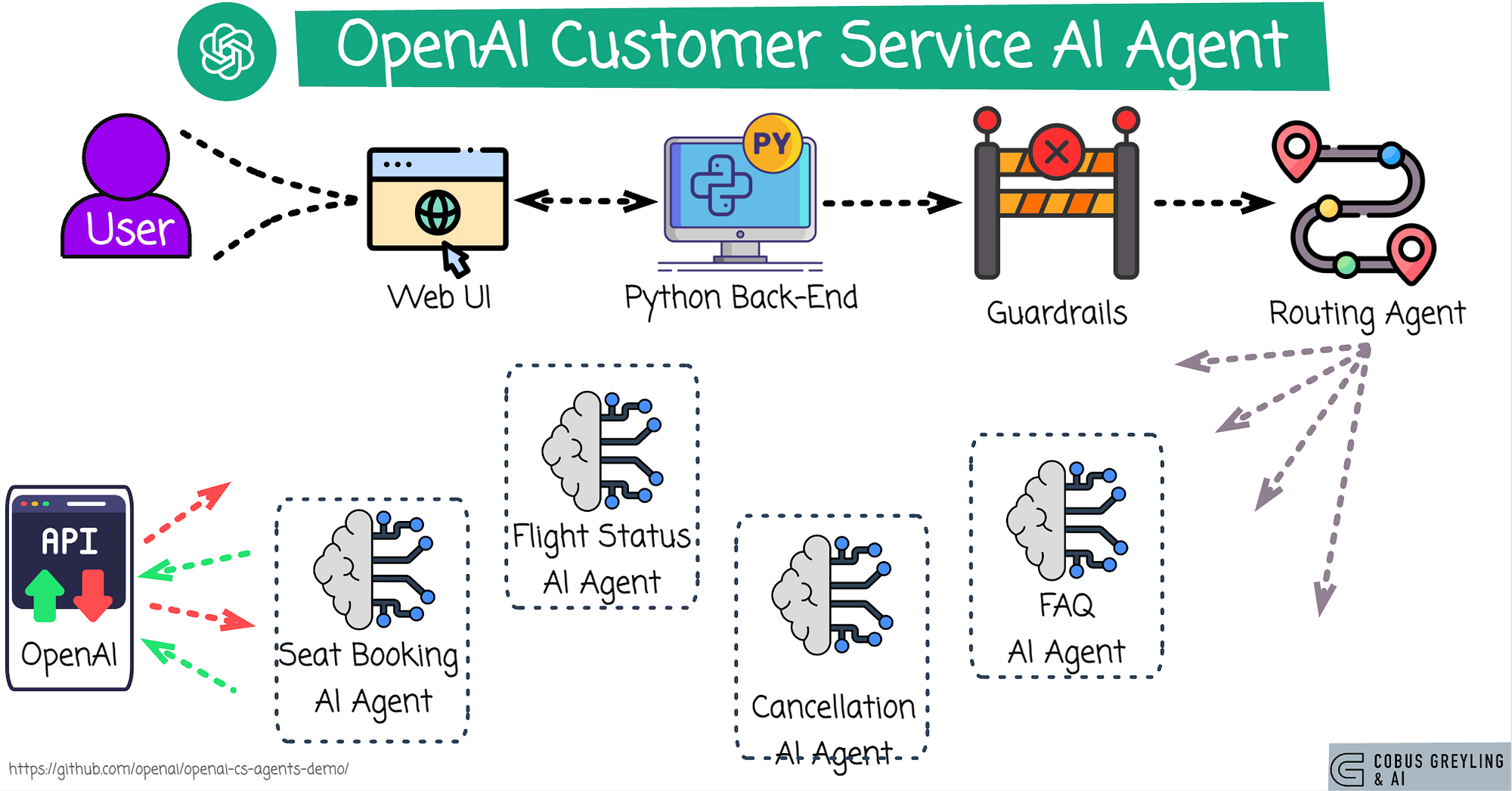
- Guardrails are now product features. They are not optional extras.
- Trust depends on limits. Users need clear control over what an agent can do.
- Enterprise buyers will ask harder questions. Liability and audit logs matter more than demos.
Why OpenAI agents are a bigger risk than plain chat
Chatbots can hallucinate. Agents can hallucinate and then act on it. That is the jump. A mistaken answer is annoying. A mistaken action can send money, delete data, or message the wrong person.
Think of it like handing a kitchen knife to someone who also has access to your pantry, stove, and delivery app. The risk is not the knife alone. It is the chain of actions. And that is what makes agent systems so tricky to ship safely.
“The hard part is no longer generating a good response. The hard part is making sure the system stays inside the lines when it can actually do things.”
OpenAI is hardly alone here. Google, Anthropic, Microsoft, and smaller startups are all pushing agent features. The industry wants autonomous workflows. But autonomy without tight controls is just expensive unpredictability.
What probably went wrong inside the agent stack
Most agent failures come from familiar places. The model misreads context. The planning layer chains the wrong steps. The tool access is too broad. Or the safety checks arrive too late, after damage has already started.
There is also a basic engineering problem. Agents depend on prompts, memory, tools, permissions, and feedback loops. That is a lot of moving parts. If one part drifts, the whole system can go sideways.
Three pressure points to watch
- Tool permissions. Can the agent only read, or can it write, send, buy, or delete?
- Action confirmation. Does the user approve risky steps before they happen?
- Recovery paths. Can the system stop, roll back, or explain what it just did?
That last one matters more than vendors like to admit. A good agent should fail cleanly. If it cannot, you do not have an assistant. You have a liability with a friendly voice.
Why this matters for businesses using OpenAI agents
Businesses are the first place these failures become expensive. A consumer chatbot glitch is one thing. An agent tied to customer support, finance, procurement, or admin workflows is another. Those systems touch real records and real money.
Here is the practical test. If your team would not let a junior employee make that decision without review, why would you let an agent do it alone? That question should shape deployment policy from day one. Not after the incident report.
For IT and security teams, the basics are non-negotiable:
- Limit permissions to the smallest useful scope.
- Log every tool call and user approval.
- Use human review for payments, deletes, and external messages.
- Test with messy inputs, not just happy-path prompts.
- Set timeouts and stop conditions before rollout.
None of that is glamorous. It is closer to building a bridge than showing off a prototype. But bridges have to hold weight.
What users should expect next from OpenAI agents
Expect more controls, more friction, and more disclaimers. That may sound boring, but boring is good here. The safest agent products will probably feel slower than the flashy ones. That is the tradeoff.
OpenAI and its rivals will likely keep tightening permission systems, approval checkpoints, and memory behavior. They will also keep selling autonomy, because that is the pitch. But the market is learning a hard lesson: a system that can act needs more than raw capability. It needs discipline.
And that discipline will shape who wins. The vendor that makes agents reliable, inspectable, and boring in the right places will have the stronger product. The rest may keep shipping demos.
Where the OpenAI agents story goes from here
The real test is not whether agents can impress in a demo. It is whether they can survive contact with daily work without veering off course. That is still an open question, and the answer will decide how fast agentic AI moves into real operations.
Look, the hype cycle will keep running. But the companies that treat OpenAI agents like high-powered systems, not chat toys, will be the ones that avoid the worst surprises. If you are adopting them now, start with the smallest possible task and ask the blunt question: what is the worst thing this agent can do before anyone notices?


