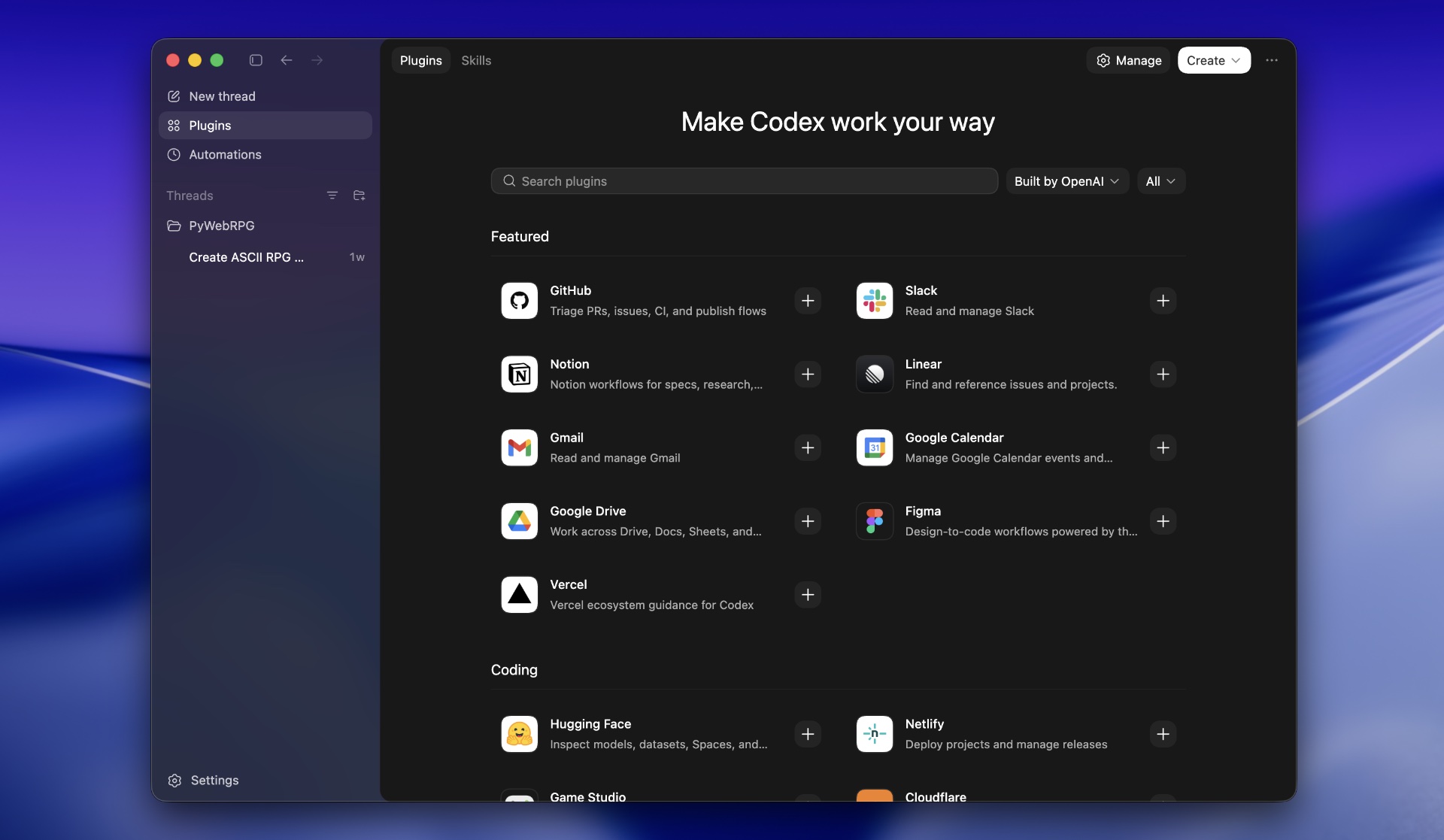
OpenAI Codex Plugins: Practical Moves for Developers
You want more than boilerplate help from your coding assistant. OpenAI Codex plugins promise deeper reach, and this is the moment to see if they fit your stack. The mainKeyword is your north star here: OpenAI Codex plugins show up inside your editor, tap external tools, and compete with Claude Code’s early lead. Why does this matter now? Enterprises are racing to standardize AI dev tooling before budgets lock. The right plugin mix trims context switching, but a sloppy setup can leak secrets or stall builds. Here’s how to get the upside without fresh headaches.
Quick Wins With OpenAI Codex Plugins
- Reduce tool hopping by pulling linters, docs, and ticket data into the Codex thread.
- Set guardrails early to avoid exposing API keys or customer data.
- Map plugin permissions to real tasks, not just broad access.
- Benchmark against Claude Code if your team already trials Anthropic.
- Track latency hits before rolling out to everyone.
“Plugins only help if they shorten the path between intent and a shipped change.”
Why OpenAI Codex Plugins Change Your Flow
Look, the appeal is obvious: one prompt triggers repo search, test runs, and ticket updates. Think of it like a pit crew in Formula 1. Every second counts, and coordination beats raw horsepower. But who owns the plugin list, and who audits the data leaving your network?
Build fast or fall behind.
Set Up OpenAI Codex Plugins Without Leaks
Start with a minimal stack. Add a Git provider plugin, a test runner, and a secrets scanner. Anything more before policy review is risky. Rotate credentials and pin scopes. If a plugin wants broad repo access, ask why.
- Create a staging workspace for plugin trials so failures never hit prod branches.
- Use read-only tokens first, then widen only when a use case demands writes.
- Log every plugin call; treat it like an outbound webhook audit.
- Pair plugins with SSO and short-lived credentials to limit blast radius.
And if a vendor cannot explain their storage practices in plain language, walk away.
Testing OpenAI Codex Plugins Against Claude Code
Benchmark on your real tasks. Draft a migration script, refactor a service, and debug a flaky test. Measure latency, accuracy, and how well the model follows repo conventions. I care less about benchmarks on public repos and more about how it handles your gnarly legacy code.
Include a human-in-the-loop review for the first sprints. Are suggestions helpful or noisy? Are file edits scoped correctly? One rhetorical question to keep in mind: do you feel faster, or just busier?
Security and Governance You Cannot Skip
Policy lags behind hype. Get legal and security teams in the room early. Define data handling rules, retention, and incident response. If plugins pull from ticketing systems, redact PII. Treat every plugin like a third-party SaaS integration.
- Data paths: Document what leaves your network and where it lands.
- Access reviews: Run quarterly checks on scopes and tokens.
- Fail safes: Disable plugins automatically when anomalies spike.
Rollout Plan That Avoids Chaos
Start with a small squad of senior engineers. They will spot rough edges and set norms. Move to a broader pilot only after you see real cycle time gains. Think of this like seasoning a cast-iron pan: slow, even, and consistent beats a rushed burn (I learned this the hard way).
Document prompt patterns, preferred plugins, and banned actions. Share short clips or internal posts so newcomers learn the expected flows. Keep metrics visible: pull request lead time, defect rates, and time-to-merge. If numbers improve, expand. If not, adjust or pause.
Where This Goes Next
Expect tighter coupling with IDEs, better local-first modes, and clearer pricing for heavy plugin usage. The gap with Claude Code will likely narrow, and niche plugins will matter more than raw model scores. Ready to place a bet, or will you wait for the next patch?


