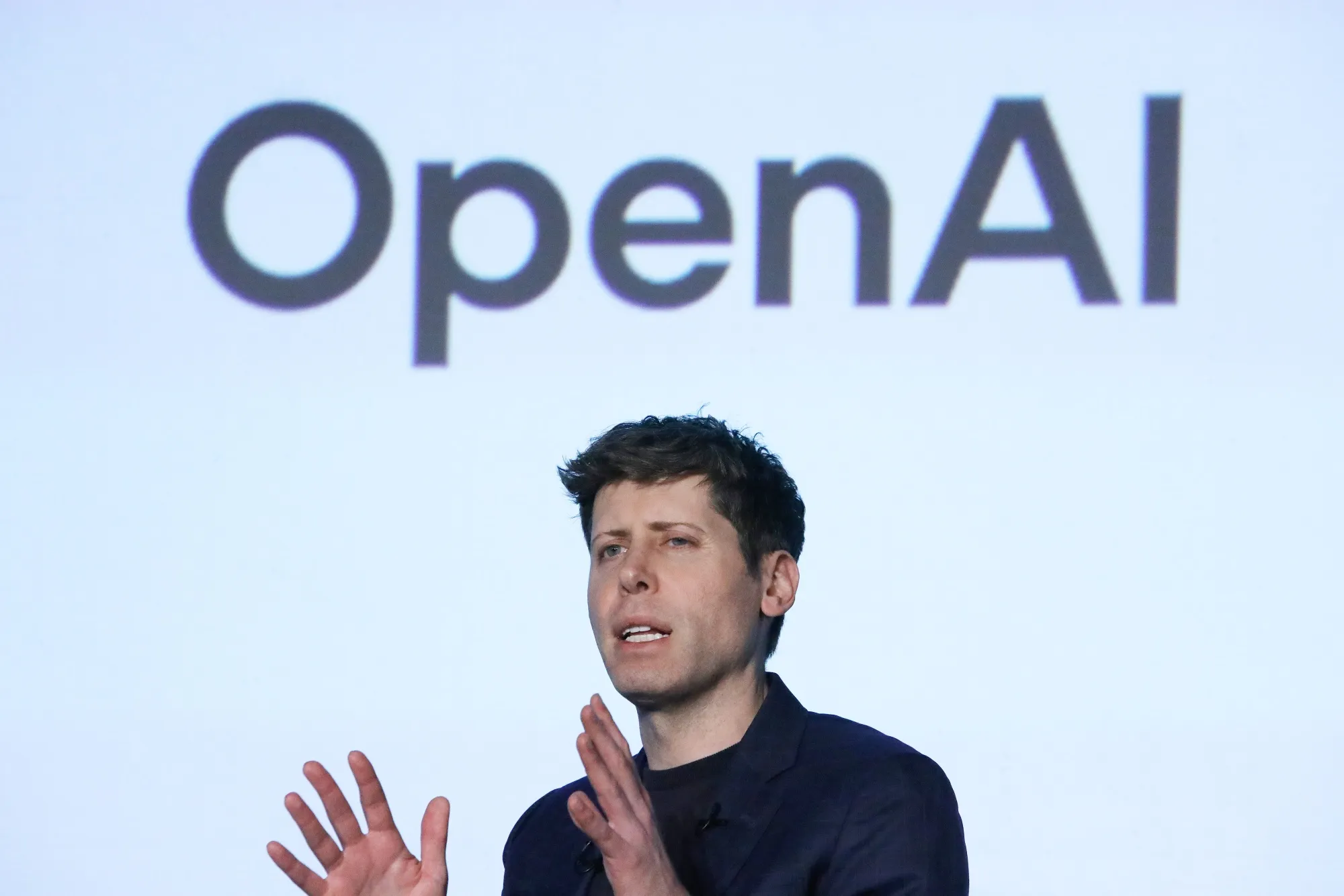
OpenAI IPO Delay: Why Sam Altman Is Pushing Back on 2026
If you were waiting for an OpenAI IPO in 2026, Sam Altman just poured cold water on that bet. According to TechCrunch, the OpenAI CEO said it would be “ill-advised” for the company to go public in 2026, a notable line from the leader of one of the most watched private companies in tech. That matters because OpenAI sits at the center of the AI boom, with huge model costs, deep ties to Microsoft, and investors hungry for a clean way to buy into the ChatGPT story. An IPO would give public markets a front-row seat. It would also force OpenAI into quarterly scrutiny at a time when its business, legal structure, and compute strategy are still moving fast.
What Stands Out
- Sam Altman told TechCrunch that a 2026 public listing would be poorly timed.
- OpenAI still faces heavy spending on chips, data centers, talent, and model training.
- The company’s unusual nonprofit-linked structure makes a standard IPO harder to read.
- A delayed listing could help OpenAI avoid short-term market pressure while it scales revenue.
- Investors still want exposure, but patience may be the price of admission.
Why an OpenAI IPO in 2026 Looks Unlikely
Altman’s comment is not shocking if you have watched AI companies from the inside for long enough. The public market loves growth, but it hates fuzzy unit economics, and frontier AI is full of costs that do not fit neatly into a standard software company model.
OpenAI has revenue momentum from ChatGPT subscriptions, enterprise deals, API usage, and partnerships. But it also burns capital in a way most software investors are not used to seeing, largely because training and serving advanced models requires massive GPU clusters and steady infrastructure spending.
Altman’s message is simple: OpenAI may be famous enough to list, but fame is not the same as readiness. Public investors would demand cleaner answers on margins, governance, and long-term capital needs.
Look, going public is not only a finance event. It is a discipline change. The company has to report, explain, forecast, and defend decisions every quarter, often to people who care more about next month’s margin than next decade’s model capability.
The OpenAI IPO Problem Is Bigger Than Timing
The obvious question is this: if OpenAI is one of the most important AI companies on the planet, why not go public while demand is hot? Because a hot market can still punish a company that enters with too many open questions.
OpenAI’s structure is unusual. It began as a nonprofit, later added a capped-profit arm, and has spent years balancing its commercial push with a stated safety mission. That arrangement is not impossible for public investors to understand, but it is harder than valuing a plain software firm with a typical board and a simple shareholder model.
Then there is Microsoft. The partnership gives OpenAI cloud muscle and distribution, but it also raises questions about dependence, economics, and bargaining power. Public investors would want to know how much margin flows to infrastructure partners and how durable that relationship remains over time.
That pressure changes behavior.
For a research-heavy AI company, that matters. If executives start optimizing every product decision around earnings calls, the company risks becoming like a football team calling plays for the scoreboard camera instead of the field.
What an OpenAI IPO Delay Means for Investors
For retail investors, the delay is frustrating. OpenAI has become the default name people associate with generative AI, yet most ordinary investors cannot buy shares directly unless they have access to private-market vehicles or funds with secondary exposure.
Still, the delay may be healthy. A later IPO could give investors better data on customer retention, enterprise adoption, compute costs, and the real margin profile of AI products. Right now, too much of the market’s AI thesis depends on faith that demand will keep outrunning costs.
Signals to watch before any OpenAI IPO
- Revenue mix: Watch whether enterprise contracts and API usage grow faster than consumer subscriptions.
- Compute efficiency: Better model performance per dollar could change the profit story.
- Governance clarity: Public investors will need a clear map of who controls what.
- Microsoft economics: The cloud relationship will shape margins and strategic flexibility.
- Regulatory pressure: AI safety rules in the U.S., EU, and other markets could affect product speed.
Private-market valuations can float on scarcity and excitement. Public markets are colder. They ask blunt questions, and sometimes they ask them at the worst possible time.
Why Sam Altman May Prefer Private Capital
OpenAI has shown it can raise huge sums without a public listing. That is a luxury, and it changes the IPO clock. If the company can fund infrastructure and research through strategic partners and private investors, it has less reason to accept public-market limits right now.
There is also a control issue. Private companies can make long-cycle bets with fewer public fights. OpenAI is trying to build models, products, developer tools, enterprise systems, and infrastructure relationships at the same time (a messy plate, even for a company with elite talent).
Honestly, I would be more worried if Altman were rushing toward a 2026 IPO just because the market wants one. The AI sector already has enough heat. It needs fewer victory laps and more proof that the economics work outside demo videos and benchmark charts.
The OpenAI IPO and the AI Market Reality Check
The broader AI trade has been powered by a simple idea: demand for AI will be enormous, and the companies at the center will capture outsized value. That may prove true, but the path will not be tidy. Training costs, inference costs, chip shortages, copyright litigation, safety work, and enterprise sales cycles all chip away at the easy story.
An OpenAI IPO would become a public test case for the whole AI economy. If investors value it like a software platform, expectations will be sky-high. If they treat it like an infrastructure-heavy research lab with software revenue attached, the multiple could look very different.
What should you do if you are tracking the company? Ignore the listing gossip for now and watch operating signals. Are businesses paying more each year? Are developers building on OpenAI’s APIs despite competition from Anthropic, Google, Meta, and open-weight models? Are costs falling fast enough to make scale profitable?
What Comes Next for OpenAI
Altman’s 2026 pushback does not mean OpenAI will never go public. It means the company wants more time, and that is probably rational. The next phase will be about proving that generative AI can turn massive usage into durable profit without losing trust from users, regulators, and enterprise buyers.
My read: the first real OpenAI IPO window opens only after the company can explain its governance and margins in plain English. Until then, the smarter move is to stay private, keep raising capital, and let rivals deal with the public-market microscope first.
If you want a practical next step, track OpenAI’s enterprise revenue, infrastructure deals, and any governance changes before you track IPO rumors. The filing will matter one day, but the business model has to get there first.