OpenAI Jalapeño Chip Targets Fast Inference at Scale
Cloud AI is getting expensive, slow, and crowded. If you run models in production, you feel it every time a request waits too long or a bill jumps after traffic spikes. That is why OpenAI Jalapeño chip matters now. It points straight at the part of the stack that hurts most: inference at scale.
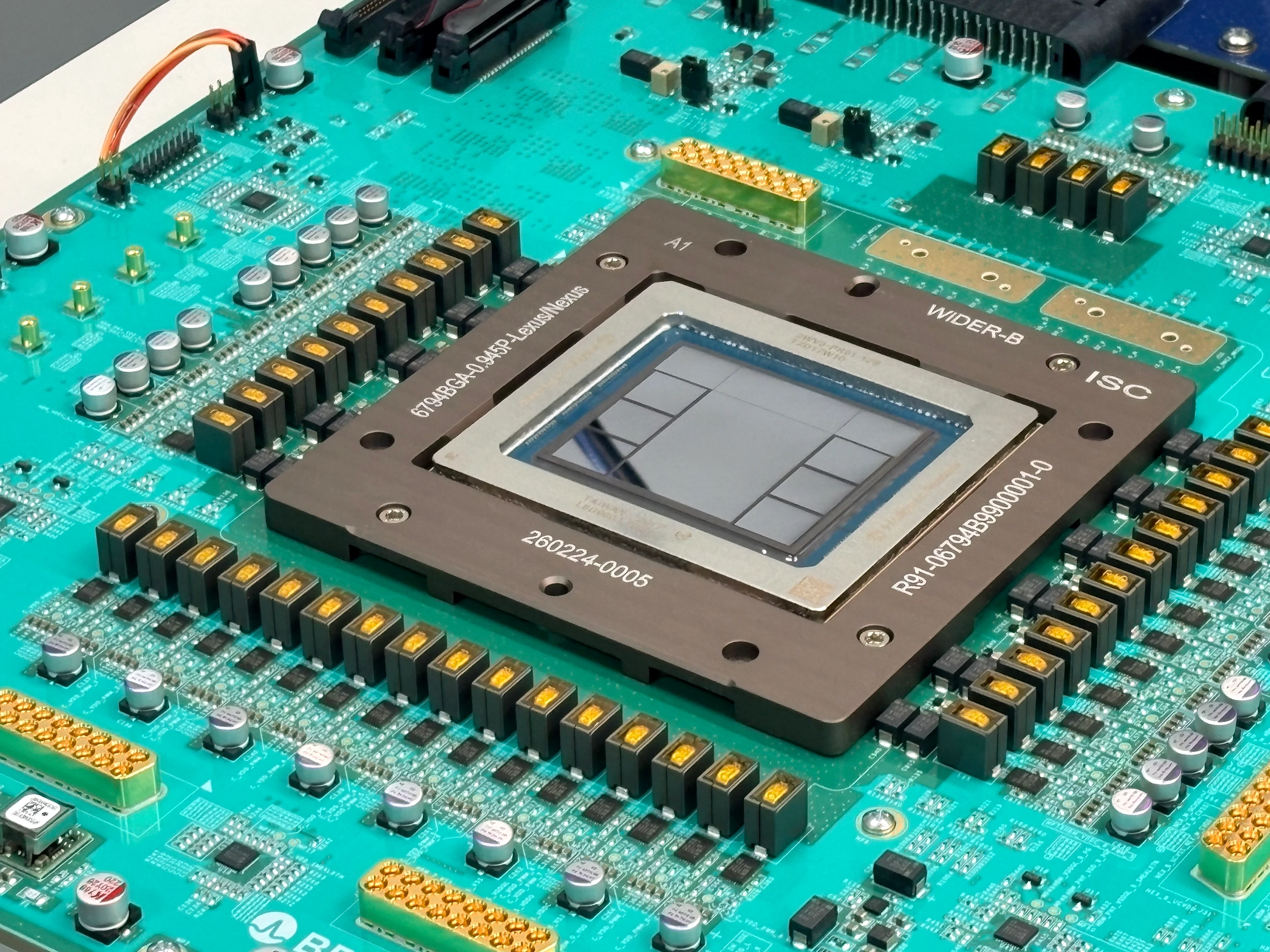
TechCrunch reports that OpenAI’s Jalapeño chip is designed for fast inference, and the benchmarks suggest it is aimed at real deployment pain, not demo theater. That should get your attention. Training gets the headlines, but inference pays the bills. And if you serve millions of responses a day, shaving even a little latency can matter a lot. What happens when the company behind the model also controls more of the hardware path?
What stands out in the OpenAI Jalapeño chip benchmarks
- Fast inference is the main target, not training.
- The chip is built for scale, which points to high request volume and heavy production use.
- Benchmark results suggest OpenAI wants tighter control over latency and throughput.
- This could reduce dependence on external GPU supply, which has been a bottleneck for many AI teams.
- The move fits a broader trend. Model companies want more control over infrastructure, from silicon to serving.
Why inference is the real battle
Inference is the part users feel. It covers the moment a model receives a prompt and sends back an answer. If that pipeline is slow, everything feels clumsy, even if the underlying model is strong.
Think of it like a kitchen during dinner rush. A chef can have the best recipe in town, but if the stove is too small and the line cooks are backed up, the service still falls apart. AI works the same way.
For years, many AI companies treated compute like a rented utility. That model is changing. The OpenAI Jalapeño chip suggests a more controlled approach, where hardware choices are tuned for the exact traffic patterns a model sees in production.
Inference is where AI turns from research into a business. If you cannot serve responses quickly and cheaply, the model never reaches its full value.
How the OpenAI Jalapeño chip could change deployment
If the chip performs as the benchmarks hint, the most immediate win is lower latency. That helps with chat, code assist, search, and any workflow where users expect near-instant replies.
There is also a cost angle. Specialized silicon can improve efficiency if it matches the workload well. But the tradeoff is real. Custom hardware only pays off if the company can keep it busy and keep the software stack tuned around it.
What teams should watch
- Latency per token, not just raw throughput.
- Batching behavior under bursty traffic.
- Memory pressure on large models and long contexts.
- Operational flexibility if demand moves between model families.
- Vendor control, since custom chips can tighten lock-in.
That last point matters. A custom chip can be a sharp tool, but it can also be a cage if the software, pricing, and serving stack all become tied to one vendor. Companies adopting model APIs should ask hard questions now, not after the contract is signed.
Why this is more than a hardware story
The OpenAI Jalapeño chip is also a signal about strategy. Model labs are no longer content to rent compute forever. They want to own the path from prompt to output, and hardware is part of that control.
That shift could pressure the broader AI chip market. If more model vendors design for their own silicon, GPU suppliers will have to defend their place with either better economics or better generality. The competition gets uglier from here.
And there is a second-order effect. If inference gets cheaper and faster, product teams may ship more AI features that were previously too slow or too costly. That sounds nice. It also means more load, more dependence, and more places where weak tooling can break user trust.
What you should do next
Look at your own inference stack before the hardware story gets washed away by hype. Measure latency, cost per request, and peak traffic behavior. If you buy AI from a vendor, ask how much of the serving layer is tuned for general GPUs and how much is tied to custom silicon.
The OpenAI Jalapeño chip may not change your stack tomorrow. But it is a loud hint about where the industry is heading. The real question is not whether custom AI chips matter. It is whether your systems can keep up when they do.