OpenAI Newspaper Lawsuit Puts AI Training on Trial
You have probably used an AI chatbot to summarize news, explain a topic, or pull background on a messy story. The new OpenAI newspaper lawsuit from The Seattle Times and Newsday asks a blunt question: who paid for the journalism that made those answers useful? According to The Verge, the two publishers sued OpenAI and Microsoft, accusing them of using copyrighted articles without permission to train and run AI products. This matters now because the fight has moved beyond theory. Publishers are watching traffic, subscriptions, licensing deals, and search behavior change in real time, while AI companies argue that training on large datasets is essential to building useful tools. The case joins a growing stack of media lawsuits that could shape how news, search, and chatbots work for years.
What Stands Out
- The Seattle Times and Newsday accuse OpenAI and Microsoft of using their journalism without a license.
- The complaint fits a broader legal push by publishers, including The New York Times, against AI training practices.
- The dispute centers on copyright, market harm, attribution, and whether AI answers can replace visits to news sites.
- The result could affect future licensing deals between media companies and AI developers.
Why the OpenAI Newspaper Lawsuit Matters
The lawsuit is not only about old articles sitting in an archive. It is about whether AI companies can turn years of reported work into chatbot responses, search summaries, and productivity features without bargaining with the people who produced that work. That question cuts straight into the economics of local and regional journalism.
Look, I have covered enough tech platform fights to know the first move. A new product arrives, publishers are told the old rules no longer fit, and everyone is asked to wait while the money flows somewhere else. The newspaper industry has heard this song before with search, social media, and ad tech.
This is not a side dispute.
The Seattle Times and Newsday are not niche bloggers with a hobby site. They are regional newsrooms that pay reporters, editors, photographers, lawyers, and standards teams to produce verified work. If AI systems can absorb that work and answer reader questions directly, the publisher loses more than page views. It loses the chance to build a paying relationship with the reader.
The core fight is simple: AI companies want high-quality language and facts, while publishers want consent, credit, and payment when their reporting helps create commercial AI products.
What the OpenAI Newspaper Lawsuit Alleges
Based on The Verge’s report, The Seattle Times and Newsday claim OpenAI and Microsoft copied their copyrighted articles to train and support AI systems, including products tied to ChatGPT and Microsoft’s AI offerings. The publishers argue that this use happened without permission and without a licensing agreement.
The complaint also fits the pattern seen in other media cases. Publishers often claim that AI tools can reproduce or closely summarize protected articles, strip away source signals, and reduce the need for readers to visit the original site. That last point is where the money lives.
The claims publishers usually care about most
- Training use: Did the AI company copy protected articles into datasets or model workflows?
- Output risk: Can the system produce text that is too close to the original reporting?
- Market harm: Do chatbot answers replace subscriptions, licensing, search visits, or syndication value?
- Attribution: Does the system give credit to the newsroom, or does it flatten the source into a generic answer?
- Licensing pressure: Does unpaid use weaken the market for paid content deals?
Microsoft’s role matters because it has invested heavily in OpenAI and has added AI features across Bing, Copilot, and other products. If courts find liability, the case may not stay boxed inside one chatbot brand. It could reach the wider stack of AI search and workplace software.
OpenAI Newspaper Lawsuit and the Fair Use Fight
AI companies often lean on fair use, especially when they describe training as a technical process that learns patterns rather than stores and republishes articles. Publishers push back by saying the copying is commercial, massive, and tied to products that may compete with the original material. Both sides can point to copyright law, but neither side has a clean win yet.
Courts tend to look at several factors, including the purpose of the use, the nature of the copyrighted work, the amount copied, and the effect on the market. News articles contain facts, which copyright does not protect by itself, but the writing, selection, structure, and original reporting can be protected. That distinction will matter.
Here’s the thing: “the model learned from it” sounds tidy in a product demo, but lawsuits force a messier accounting. What was copied? Where was it stored? Could engineers inspect it? Did outputs echo it? Did the company ignore licensing options that were already available?
Think of it like a restaurant using a neighbor’s recipes, photos, menu descriptions, and customer reviews to train its staff, then telling diners they no longer need to visit the original place. The chef can claim inspiration, but the owner next door is going to ask why their work became someone else’s business plan.
Why Local News Has More at Stake Than Big Media
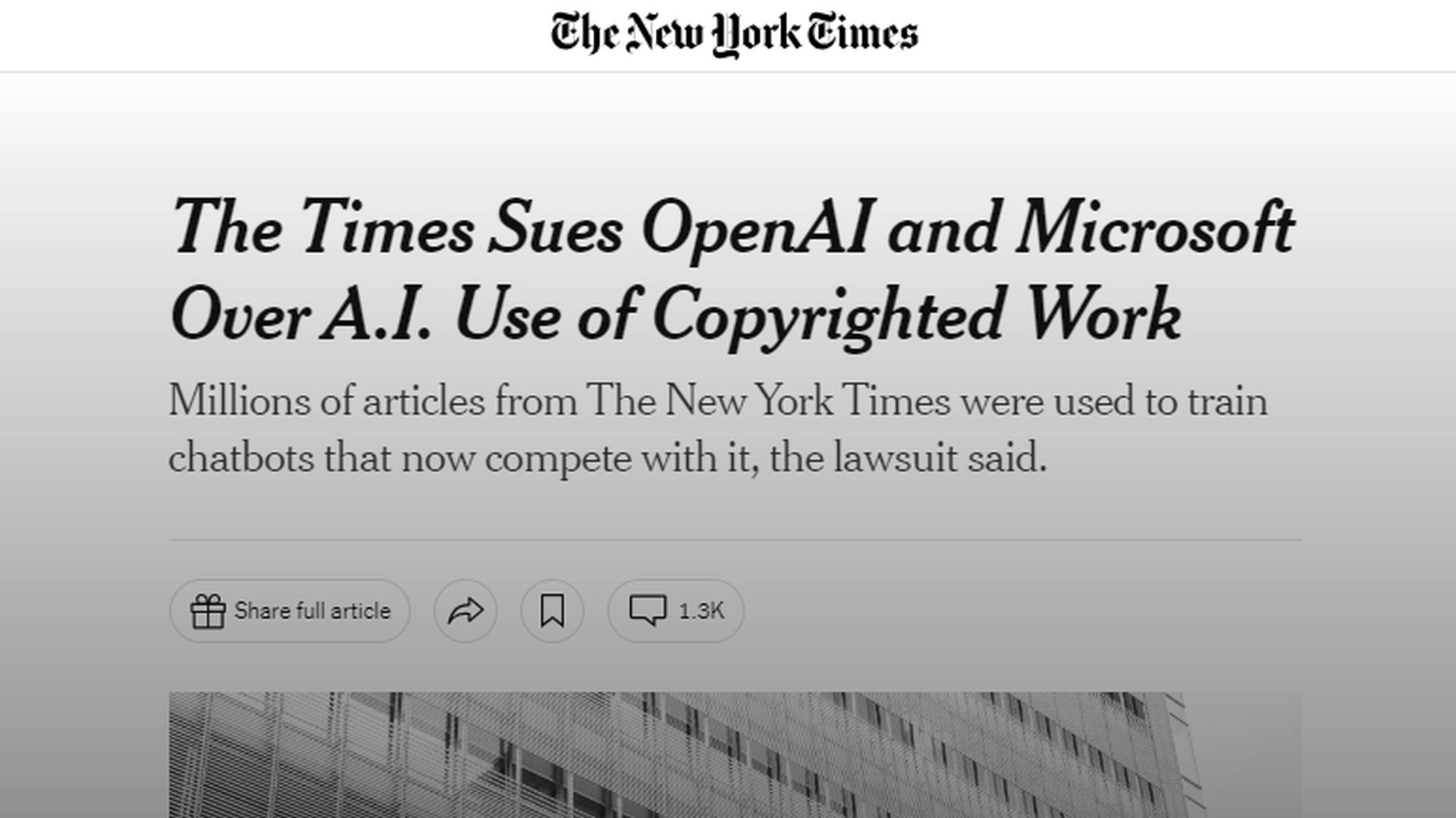
The New York Times lawsuit against OpenAI and Microsoft grabbed the loudest headlines, but regional publishers may feel the sharper pain. Local reporting often covers city halls, school boards, courts, public records, sports, weather events, and neighborhood issues that no national outlet will replace. If that work gets pulled into AI answers without traffic or payment, the newsroom has fewer ways to fund the next story.
Readers may see a useful summary and think no harm was done. But the harm can be slow and boring, which makes it dangerous. A lost subscription here, a lost referral there, and a licensing market that never matures because AI firms already took the material.
What happens when the chatbot answers your local tax question but the reporter who covered the budget hearing gets laid off next month? That is not a sentimental question. It is an infrastructure question for civic life.
What Publishers Want From AI Companies
Most publishers are not asking for AI to disappear. They are asking for terms. Some want licensing fees, some want technical controls, and some want clear attribution that sends users back to the source.
- Paid content licenses for training and retrieval-based AI products.
- Opt-out tools that work across crawlers, training datasets, and AI search displays.
- Source links that readers can verify and publishers can measure.
- Limits on article-length summaries that replace the need to click through.
- Audit trails that show what content was used and when.
Those requests are not identical, and publishers are split on strategy. Some have signed deals with OpenAI or other AI firms, while others have sued. That split gives AI companies room to negotiate one newsroom at a time, but it also creates a market signal that journalism has licensing value.
What This Means for Readers and AI Users
You do not need to stop using AI tools because of one lawsuit. You should, however, treat AI summaries of news with caution. Ask for sources, click through to original reporting, and be wary when a chatbot gives a confident answer without naming where the information came from.
For businesses, the lesson is sharper. If your team uses AI to summarize news, monitor competitors, brief executives, or draft client material, you should know which tools retain data, which sources they cite, and whether your use creates copyright risk. The safe workflow is dull, but effective: use AI for triage, then verify against primary sources and licensed databases.
Newsrooms should also stop pretending this is only a legal department problem. Product teams need to track AI referral traffic, editorial leaders need to define acceptable use, and business teams need a licensing strategy before platforms set the price for them.
The Next Move in the OpenAI Newspaper Lawsuit
The case will likely move through motions, discovery fights, and arguments over what counts as copying, what counts as transformation, and what evidence proves market harm. Discovery could be the spicy part, because publishers will want details about training data, memorization tests, internal discussions, and licensing decisions. AI companies will fight to protect trade secrets and model details.
Do not expect a quick answer. Copyright cases at this scale move slowly, and settlements are always possible. Still, each lawsuit adds pressure on AI firms to formalize deals with publishers rather than rely on vague claims about public benefit.
My read after years of watching platforms collide with media: the “just trust us” phase is over. If AI companies want journalism in their systems, they should be ready to show receipts, write checks, or build products that send real value back to the people doing the reporting.
What to Watch Now
Watch whether more regional publishers join the fight, and watch whether courts treat AI training as fair use at commercial scale. Also watch Microsoft. Its deep OpenAI ties make this more than a startup copyright dispute, and any ruling could shape how AI gets baked into search, office software, and news discovery.
The practical next step is simple: if an AI answer is built on journalism, follow the source and support the outlet that did the work. The future of AI news may come down to a plain bargain. Who gets paid when machines learn from human reporting?