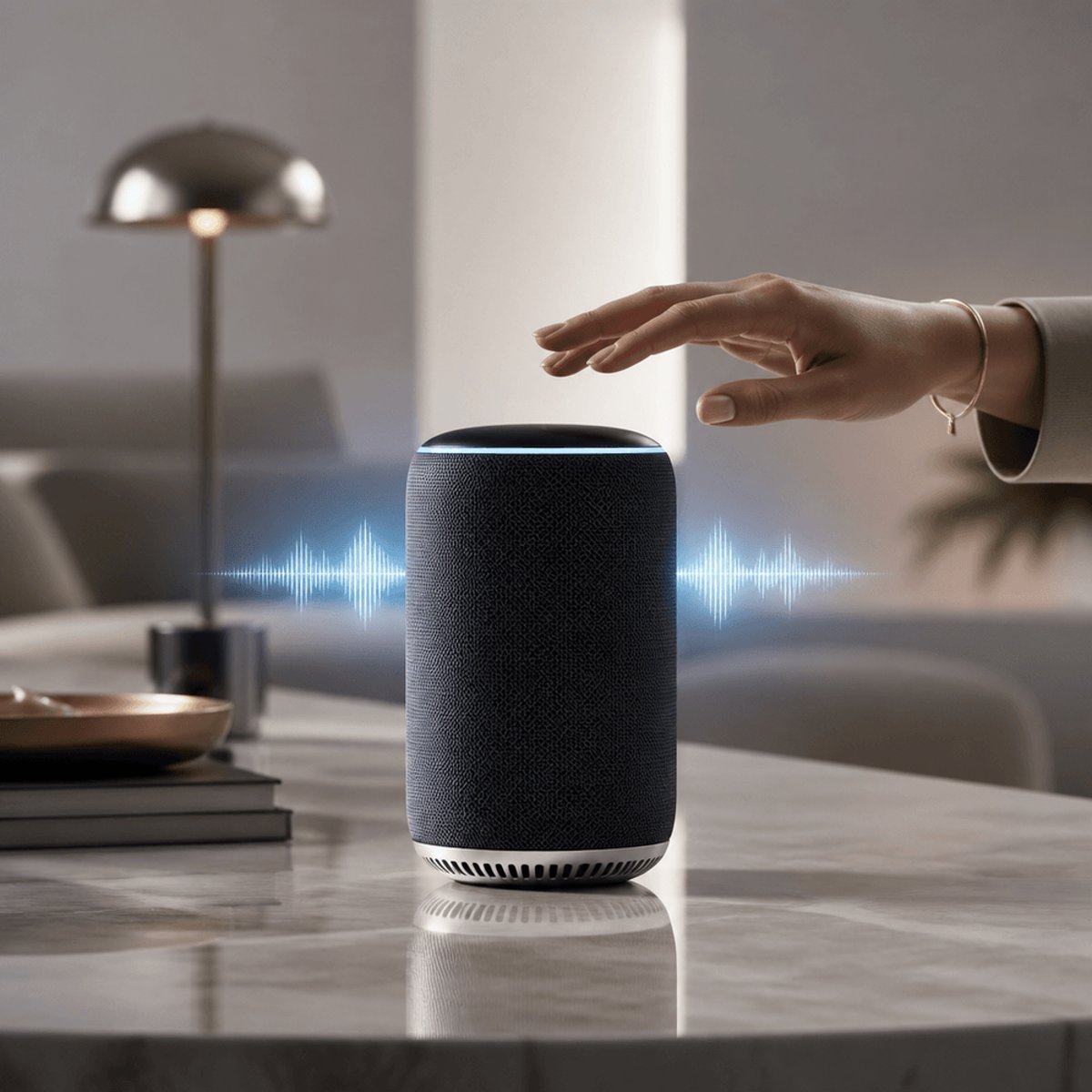
OpenAI Smart Speaker Price: What $300 to $400 Means
OpenAI’s reported smart speaker price is the first detail that matters, because $300 to $400 is not casual money for a voice device. If TechCrunch’s report holds up, the company is aiming far above the cheap puck-and-box crowd and into premium home gear. That raises a blunt question: what exactly are you paying for?
For years, smart speakers have been treated like impulse buys. You grab one, link it to your Wi-Fi, and hope it becomes useful. A high-end OpenAI speaker changes that script. It suggests a device built around ChatGPT-style conversation, tighter home control, and maybe better microphones or local processing (details still matter here). But price changes expectations fast. And in a market where Amazon and Google already sit in many homes, OpenAI will need more than a slick demo to justify the ask.
What the reported OpenAI smart speaker price signals
- This is a premium product. The price puts it in the same conversation as better tablets, entry-level laptops, and higher-end audio gear.
- It is not chasing mass adoption first. OpenAI may be aiming at early adopters who already pay for AI tools.
- The hardware has to earn its keep. Voice quality, wake-word reliability, privacy controls, and speaker performance all matter more at this tier.
- Software will do most of the selling. If the assistant feels more useful than Alexa or Google Assistant, the hardware can get away with a premium.
Why this OpenAI smart speaker price is a big deal
A smart speaker at this price is a bit like selling a premium kitchen knife. Nobody buys it for the steel alone. They buy it because the handling, balance, and edge justify the cost every time they use it. Same idea here. The hardware might be simple on the surface, but the real product is the experience.
That is where OpenAI has both an opening and a problem. ChatGPT is already familiar to millions of people, and the brand carries real weight. But a speaker lives in your home, on your counter, all day. It has to respond quickly, understand messy speech, and avoid getting weird at the worst possible moment.
“A smart speaker is only as good as the boring stuff it gets right. Mic pickup, latency, and voice reliability matter more than flashy demos.”
OpenAI smart speaker price vs Amazon and Google
Look at the market as it exists now. Amazon’s Echo line and Google’s Nest speakers cover the low-cost and midrange tiers. They are cheap enough to scatter around a house. That is a very different strategy from a $300-plus device.
At that price, OpenAI is likely not trying to win the bedroom speaker race. It may be aiming for a kitchen, office, or living room hub where a user wants deeper conversations, better task handling, or tighter integration with other services. But the competition is not standing still. Amazon has been pushing more AI features into Alexa. Google keeps folding Gemini into its ecosystem. OpenAI will need a clear reason to exist next to those incumbents.
What buyers will expect from a $300 to $400 AI speaker
- Better conversations. Not just answering trivia, but remembering context and handling follow-up questions without repeating itself.
- Useful home control. Lights, music, timers, calendars, and reminders should work with less friction than older assistants.
- Audio that sounds expensive. People forgive mediocre sound in a $50 device. They do not forgive it here.
- Trust controls. Clear mic indicators, privacy settings, and data handling need to be obvious, not buried.
- Fast response times. If the assistant lags, the whole product feels broken.
That last point is non-negotiable. A smart speaker can have the smartest model in the world and still fail if it feels slow in a busy kitchen. People do not want to wait for an answer while they are cooking dinner or trying to set a timer.
Could OpenAI sell hardware the way it sells software?
Maybe, but only if the subscription story is clean. Hardware margins are thin, and consumer electronics are unforgiving. If the device depends on a paid plan to feel complete, the company has to explain that value in plain English. People hate mystery pricing. They also hate buying a gadget that feels half-finished out of the box.
There is another wrinkle. OpenAI has spent years building a software-first reputation. Hardware changes the game. It adds supply-chain risk, returns, retail expectations, and support headaches. Why step into that mess? Because if you control the device, you control the first mile of the AI experience. That is a powerful position, if you can execute.
What to watch next
The real test is not the leak itself. It is whether OpenAI can make the speaker feel more useful than the assistant already living in someone’s home. If the company ships a premium box with genuinely better conversation, strong privacy cues, and reliable daily utility, the price might make sense. If it ships a flashy talking puck, the market will shrug.
TechCrunch’s report gives us the number. The harder part is the proof. Would you pay $400 for a speaker that is smarter, or would you wait until the software shows up on something you already own?