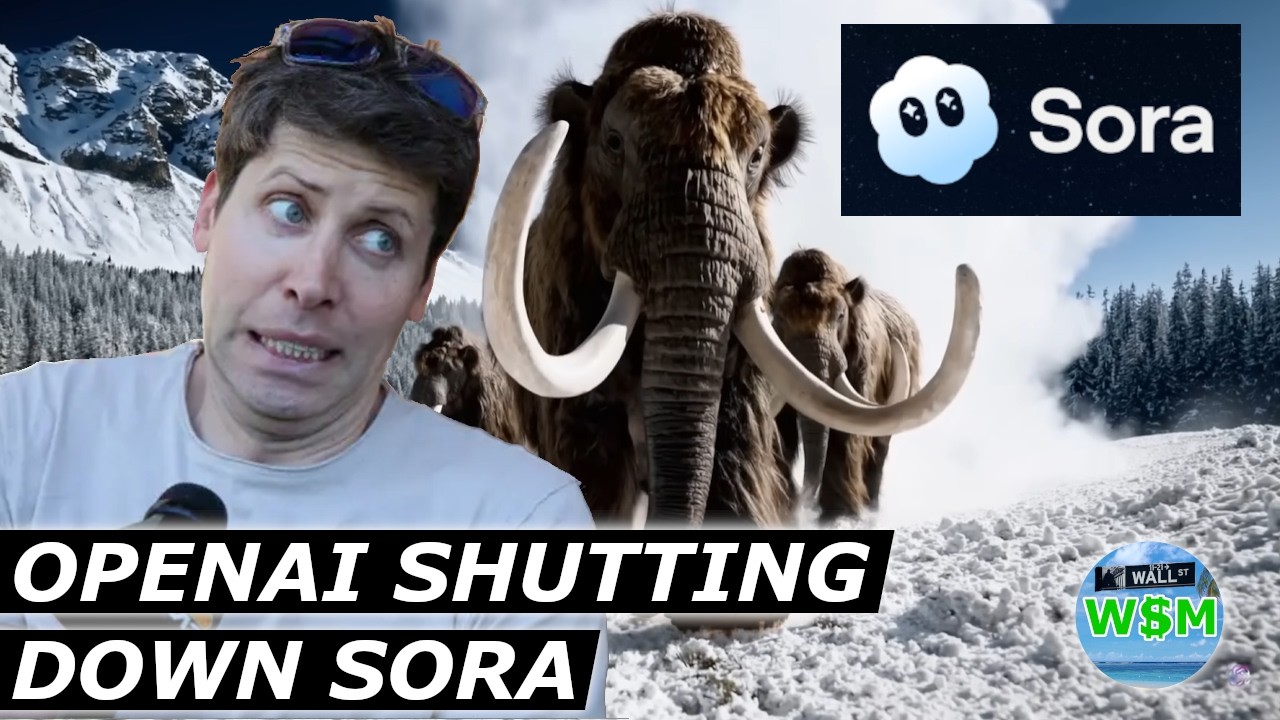
OpenAI Sora shutdown: what went wrong and what comes next
You paid attention to Sora because video AI looked like the next frontier, and now the OpenAI Sora shutdown lands just 15 months after launch. That timing matters: budgets are already set, compliance reviews underway, and teams bet on new creative workflows. The abrupt pivot signals more than a single product failure. It’s a reminder that generative video still strains GPUs, licensing, and user trust. If you banked on Sora for marketing clips or prototyping, you need a plan B before the next quarter closes. Why did a headline model fizzle this fast? And what signals should you track to avoid the same trap with the next hyped tool?
What to watch right now
- OpenAI will end Sora access within months, forcing teams to migrate projects.
- GPU costs and licensing disputes likely pressured margins.
- Rivals such as Runway and Pika are poised to poach displaced users.
- Enterprise buyers will demand clearer uptime guarantees in new contracts.
Why the OpenAI Sora shutdown arrived so soon
OpenAI framed Sora as a breakthrough text-to-video model. Reality was harsher: compute burn, limited enterprise pilots, and unclear rights on training data. If you’re running a creative studio, sudden deprecation feels like losing a key player mid-season.
Rapid retirements usually mean usage stayed low or costs stayed high. Sometimes both.
Look, investors expect models to ship and stick. When a flagship disappears, it signals a reset in the product roadmap (and a chance to renegotiate expectations with customers).
Silence from customers tells you more than a press release.
Operational fallout for teams using OpenAI Sora
Projects in flight now face re-rendering, asset loss, and contract amendments. It’s like swapping a quarterback in the fourth quarter: timing hurts more than talent. You need a triage checklist before the service fully winds down.
- Export every asset and prompt history today. Do not assume backups.
- Map dependencies: CMS integrations, ad pipelines, automation scripts.
- Budget for reruns on another model to avoid campaign delays.
- Update privacy reviews because a new vendor means new data flows.
But what if your creative team liked Sora’s style? Document the output specs so you can tune alternatives to match.
Alternatives after the OpenAI Sora shutdown
Runway, Pika, and Stability offer models with different strengths. Treat selection like choosing a camera lens: pick based on scene, not brand. Benchmark on your own clips, not demo reels.
- Runway: solid motion handling, enterprise plans, frequent updates.
- Pika: quick iterations and social-friendly outputs.
- Stability video: open-weight options that give more control.
Test on the same storyboard across tools and track GPU spend per minute. Include human review because subtle artifacts slip past automated checks.
How to reduce risk before the next headline flip
Contracts should include exit timelines, export guarantees, and notice periods. Ask for API usage audits to spot drop-offs early. Set a quarterly vendor drill, similar to a fire drill, to ensure you can migrate within a week.
Here’s the thing: treating generative video like cooking over high heat works. Keep ingredients ready, stir often, and never walk away from the stove.
My take? Use this shutdown as leverage. Vendors want your spend, so push for clearer SLAs and transparent pricing while the market is still shaking.
Where OpenAI goes after the OpenAI Sora shutdown
OpenAI will likely refocus on models with better margins and clearer legal footing. Expect tighter integration between video, image, and text under one API. That could be good news if you prefer a unified stack, but it also means each component stays at risk of rapid iteration or retirement.
Will the next release stick around longer than Sora? Only if usage justifies the compute bill and licensing headaches ease.
Stay ready to move fast, because the next pivot will not wait for your roadmap.


