Pentagon AI Chatbot: What the New Government Tool Means
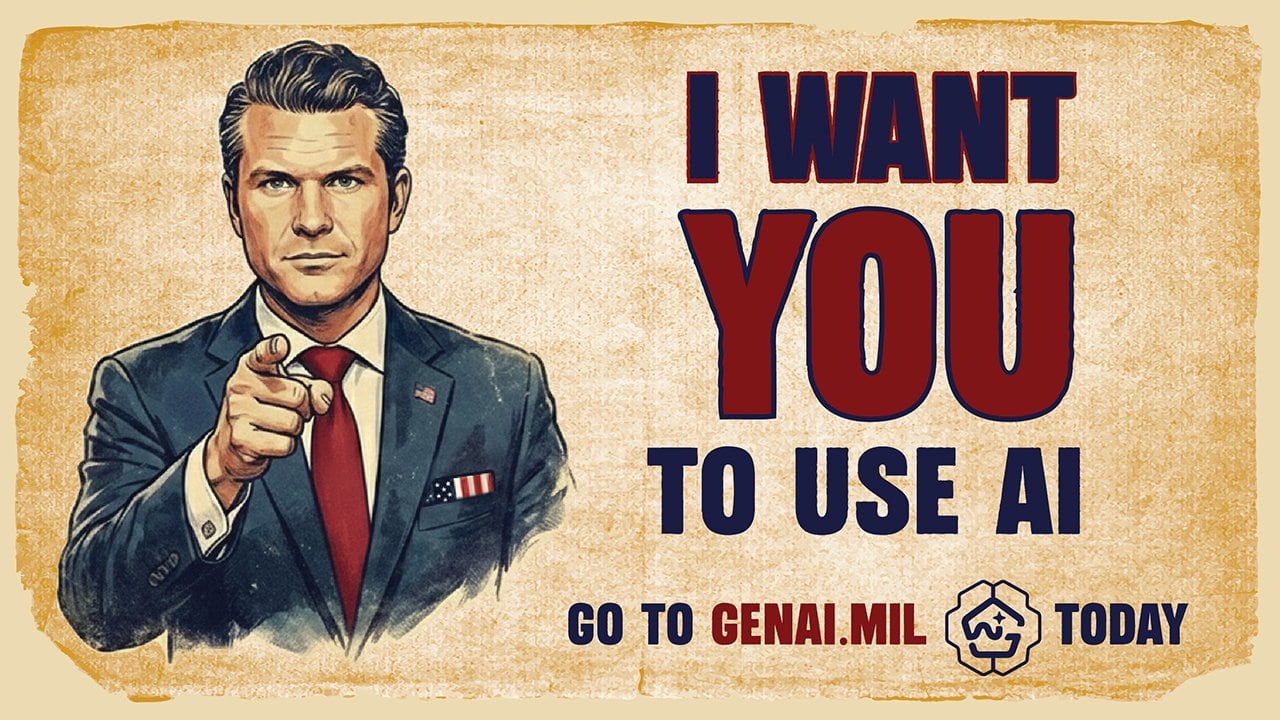
The Pentagon now has its own version of a chatbot, and that should get your attention. Pentagon AI chatbot is not a consumer toy, and it is not a press-release sideshow. It sits at the intersection of national security, procurement, and the rush to put large language models into places where bad answers can cost real money, or worse. The timing matters because government teams are already using AI to draft, summarize, search, and triage. That makes the tool useful. It also makes it risky. Who controls the data? Who audits the output? And what happens when a system built for speed starts sounding more certain than it should?
- The Pentagon AI chatbot is part of a broader push to bring generative AI into government workflows.
- Speed is the selling point, but accuracy and data control are the hard problems.
- Security teams will care more about guardrails than flashy model names.
- This move could shape how other agencies buy and deploy AI tools.
Why the Pentagon AI chatbot matters now
The Pentagon does not move quickly unless it thinks the payoff is real. So a Pentagon AI chatbot is a signal. It tells you the government wants the same thing corporations want from AI. Faster drafting. Quicker search. Less time spent digging through piles of text. That is the easy part.
The hard part is trust. Military and defense work depends on sensitive data, chain-of-command discipline, and strict access control. A chatbot can help a staffer summarize a policy memo in seconds. It can also hallucinate details, blur sources, or surface information that should stay locked down. In other words, the tool may save time, but it will also create new review work. That tradeoff is non-negotiable.
What the Pentagon AI chatbot is likely built to do
Public details matter here, but so does context. Government AI tools usually start with narrow tasks, then expand after they prove they can behave. Expect the Pentagon AI chatbot to focus on internal productivity first. Think document search, drafting support, meeting summaries, and basic Q&A over approved sources.
That setup is closer to a well-run kitchen than a magic machine. You still need a recipe, a cook, and a health inspector. The model can speed up prep, but it cannot decide whether the ingredients are safe. Same idea here. The chatbot may make information easier to handle, but it does not replace human judgment.
The real story is not that the Pentagon got a chatbot. The real story is that government now expects AI to sit inside daily workflows, where the mistakes are quieter and the stakes are higher.
What makes Pentagon AI chatbot deployments different from consumer AI
Consumer chatbots live or die on convenience. Defense tools live or die on control. That difference changes everything, from model hosting to logging to user permissions. A consumer app can afford a little chaos. A government system cannot.
Here are the pressure points that matter most:
- Data separation. Sensitive material cannot leak into public model training or shared logs.
- Access controls. Users should only see what their clearance allows.
- Audit trails. Every query and output needs a record.
- Model updates. Changes must be tested before they reach operational teams.
- Human review. AI should assist decisions, not make them alone.
Those are not nice-to-haves. They are the price of admission.
Where the risk sits in a Pentagon AI chatbot
The most obvious risk is bad output. A model can summarize a memo cleanly and still get the facts wrong. That is dangerous in any office. In defense settings, it is more serious because wrong information can travel fast once it is packaged in a tidy answer.
There is also the vendor problem. If the Pentagon uses a private model or a managed cloud service, it must watch for lock-in, opaque training practices, and shifting terms. The U.S. government has already spent years debating cloud contracts, software supply chains, and zero trust architecture. AI slots into that same argument, only with higher expectations and fuzzier rules. Who gets blamed when the model is wrong? That question is already hanging over every deployment.
What users will need to learn
People using the tool will need a different habit. They should check sources, compare outputs, and stop treating the first answer as final. That sounds basic. It is. But most AI failures begin with overconfidence, not technical collapse.
Think of it like aviation checklists. Pilots do not skip steps because the plane looks fine. They follow a process because routine hides risk. Pentagon staff will need the same discipline with AI.
Will other agencies follow the Pentagon AI chatbot model?
Probably, yes. Large agencies rarely wait long once one major department normalizes a tool. If the Pentagon AI chatbot proves useful without causing a data mess, civilian agencies will push for similar systems. That could create a new baseline for government software buying, one that favors secure, internal AI over public chat products.
That shift could also change the market. Vendors will start selling more compliance, more auditability, and more deployment controls. The flashy demo will matter less than the boring stuff. Encryption. Logging. Role-based access. FedRAMP-friendly infrastructure. The unglamorous pieces will decide who wins contracts.
What you should watch next
If you are tracking AI in business or government, watch three things. First, whether the Pentagon expands the tool beyond low-risk tasks. Second, whether it publishes clear rules on data handling and acceptable use. Third, whether other agencies copy the same architecture or build something different.
One last question matters more than the vendor name: can the system stay useful without becoming reckless? That is the line every serious AI deployment has to walk now, and the Pentagon just stepped onto it.
The next move will tell us whether government AI is maturing, or just getting louder.