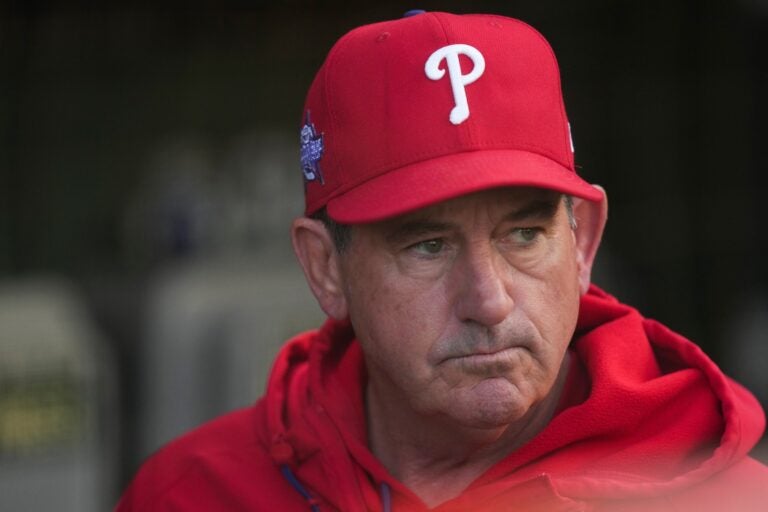
Phillies Fire Rob Thomson: What Comes Next
The Phillies are trying to answer a hard question fast. How do you keep a win-now roster from slipping into the same October trap again? That is why the news that the Phillies fire Rob Thomson matters right now. This was not a rebuilding club looking for a fresh voice. This was a veteran team with stars, payroll pressure, and a narrow window to win a World Series.
Philadelphia did not make this call in a vacuum. The club has spent heavily, reached October, and still failed to finish the job. Fans have seen enough of the same script. So have team executives. A manager often pays first when a roster underachieves in the postseason, even if the flaws run deeper. Fair? Maybe not. Predictable? Absolutely.
What this means right away
- The Phillies made a win-now move, not a patient reset.
- Rob Thomson became the public answer to repeated postseason frustration.
- The next hire will say a lot about how the front office views this roster.
- This decision also puts more pressure on expensive veteran stars to deliver in October.
Why the Phillies fire Rob Thomson now
The timing tells the story. Teams do not remove a manager after a disappointing finish unless they believe the room needs a jolt or ownership wants accountability to be visible. According to ESPN, the Phillies dismissed Thomson after another season that fell short of championship expectations.
Look, managers in baseball are judged hardest on October decisions. Bullpen usage. Lineup choices. Pinch-hit calls. The mood of the clubhouse. Even when those factors explain only part of a loss, they become the cleanest target. A front office cannot trade half a roster overnight, but it can replace one manager in a day.
For a contender with a large payroll, making the playoffs is the baseline. The real test is whether the team looks sharper, tougher, and more adaptable when the margin gets thin.
That is where Thomson likely lost ground. The Phillies have had enough talent to scare anyone in a short series. But talent alone is not a shield. Ask any team that has watched its offense go cold at the wrong time.
Phillies fire Rob Thomson, but was he the real problem?
Here is the uncomfortable part. A managerial change can be justified and still miss the bigger issue.
Philadelphia’s roster has been built around power, star-level production, and expensive veterans. That formula can bulldoze teams over 162 games. In October, though, the game tightens. Strike zones feel smaller. Bullpens get meaner. At-bats become arm-wrestling matches. If your offense gets pull-happy or chases too much, the whole machine sputters.
That is not always on the manager.
The Phillies have looked, at times, like a team trying to hit a five-run homer. It is a bit like a basketball team that keeps launching contested threes when one clean drive would settle everything. Fans love the fireworks until the shots stop falling.
Still, managers do shape tone and response. If a club keeps repeating the same mistakes, the field staff wears that. So does the roster. So does the front office. Blame in baseball is rarely tidy.
What kind of manager should replace Thomson?
The next hire matters more than the firing itself. If the Phillies just swap one steady veteran for another with the same habits, what changes? Not much.
The ideal replacement should bring a few non-negotiable traits:
- October flexibility. The Phillies need someone willing to move fast with bullpen roles, lineup spots, and matchup decisions.
- Enough backbone to challenge stars. Veteran clubs can drift if nobody pushes back.
- Clear communication. Players do not need speeches. They need direct expectations.
- Comfort with analytics, without sounding like a spreadsheet. Good managers translate information into decisions players trust.
Honestly, this hire should feel less like a public relations move and more like an architectural fix. You do not repaint the walls if the support beams are off.
How this affects the Phillies roster
A firing like this is never just about one person. It sends a message through the clubhouse. Veterans now know the grace period is over. Younger players see that reputation will not protect the staff forever. And the front office has tied itself even tighter to this core.
That creates pressure in several areas:
Star hitters
The lineup has to be more adaptable in big spots. That means fewer empty at-bats against elite breaking stuff and more willingness to take what a pitcher gives. Simple idea. Hard job.
Pitching management
The Phillies have had enough high-end pitching to compete deep into October, but bullpen choices become magnified in every postseason loss. The next manager will be hired, in part, on the promise of cleaner late-game execution.
Front office accountability
If the Phillies fire Rob Thomson and the same flaws show up next October, the conversation shifts upstairs. Fast. At that point, the easy answer is gone.
Was this move surprising?
Not really, if you follow how contenders behave after repeated playoff frustration. Baseball executives may speak calmly, but ownership groups hate stale endings. A team with World Series hopes is expected to evolve. If it stalls, someone pays.
And yet there is risk here. Thomson was not some interim placeholder. He had credibility, postseason experience, and the respect of his players. Removing that can shake a club if the replacement is a poor fit or if players quietly believe the wrong person took the fall.
That is the gamble.
What fans should watch next
The next few weeks will reveal whether this was a sharp baseball decision or a heat-shield move meant to absorb anger. Watch for these signals:
- Does the team search broadly, or does it lock onto a familiar name?
- Do executives talk about culture, or do they mention tactical shortcomings?
- Are there roster changes that match the new manager’s style?
- Does ownership frame 2025 as urgent?
Those clues matter because a manager does not operate in isolation. He reflects what the organization wants to be.
The bigger bet
Philadelphia did not fire Rob Thomson just to change the voice in the dugout. The club is betting that one shift at the top can sharpen a roster that has come close but not close enough. Maybe that works. Maybe this is the move that turns a talented contender into a colder, tougher October team.
But if the at-bats stay loose, the adjustments stay slow, and the pressure keeps winning, this decision will age badly. The next manager inherits a roster built to win now. No soft landing. No patience campaign. Just a blunt question hanging over everything: was Thomson the problem, or was he simply first in line?