Plaud One Earbuds: AI Recorder Price, Features, and Availability
You want a recorder that stays out of the way, catches speech cleanly, and does not turn into another app you forget to open. That is the pitch behind Plaud One earbuds AI recorder, and it matters because people are done juggling half-baked note tools that miss the one line they needed. Meetings keep moving. Ideas keep vanishing. And the gap between hearing something and saving it is where a lot of useful work gets lost.
Plaud is betting that earbuds can do for note capture what smartwatches did for fitness tracking, only with less friction and fewer excuses. The company’s latest pitch is simple. Keep the recorder close to the source. Make the hardware easy to wear. Let software handle the messy part later. Smart idea? Maybe. But the real question is whether this solves a real problem better than your phone, your notebook, or the countless AI transcription apps already fighting for attention.
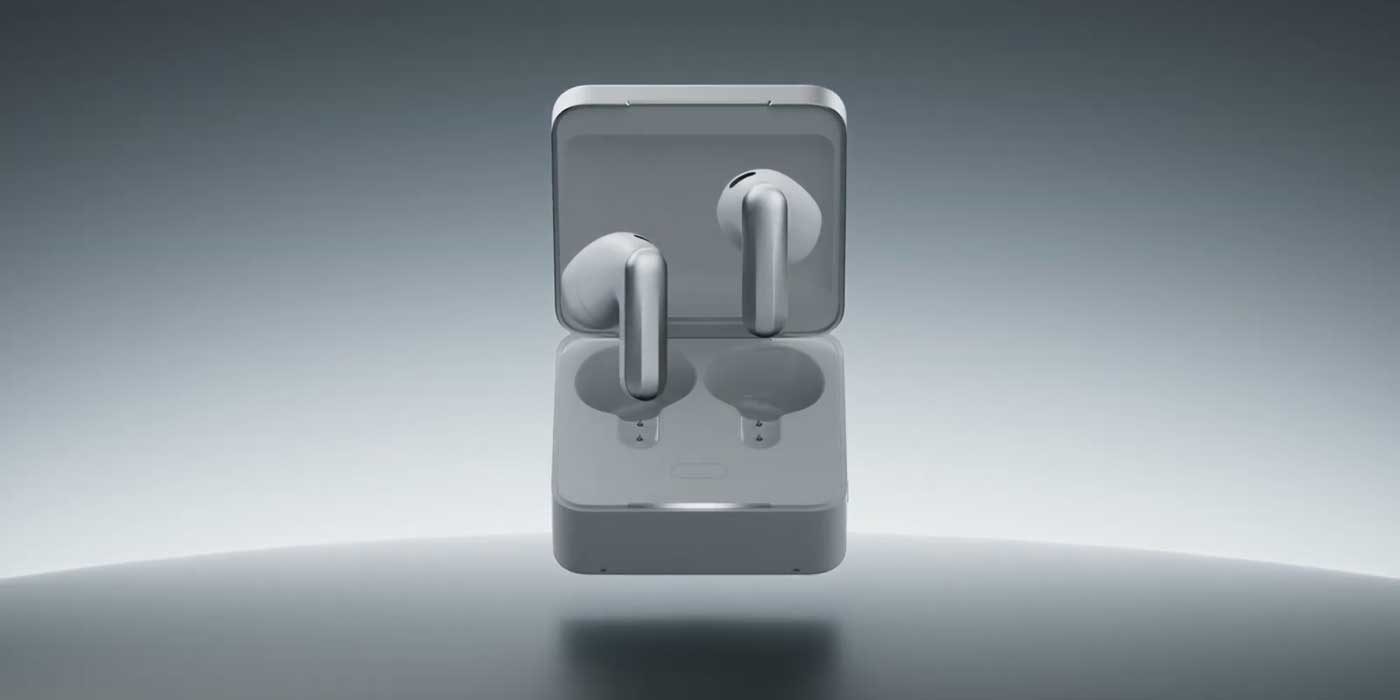
What the Plaud One earbuds AI recorder actually offers
- Earbud-based capture aims to pick up speech from the source instead of across the table.
- AI transcription and summarization are the core value, not audio playback.
- Portable hardware makes it easier to start recording without digging through menus.
- Privacy and discretion matter more here than flashy specs.
Here’s the thing. The appeal is not raw novelty. It is workflow. If you already carry earbuds, putting recording into that habit lowers the barrier to capture. That is a small design choice with seismic impact when you are in back-to-back calls, interviews, or quick hallway conversations.
Why the Plaud One earbuds AI recorder stands out
Most AI note tools live in apps. That means you still need to remember to start them, keep your phone close, and trust the mic on a device that may be sitting in a bag or on a desk. Plaud is trying to collapse that gap by putting recording into something you already wear.
The smartest part of this product is not the transcription. It is the attempt to remove the moment where you think, “I should record this,” and then miss the rest of the sentence.
That matters for journalists, founders, students, and anyone else who hears useful information at awkward times. A good recorder should feel like a seatbelt. Present, automatic, and boring in the best way.
How this compares with phone-based recording
Your phone can already record audio, transcribe speech, and summarize notes with the right app. So why buy new hardware? Because phones are crowded devices. Calls, messages, battery drain, and notification noise all fight for the same attention. A dedicated earbud recorder can reduce that clutter (if the audio pickup is good enough).
Still, hardware convenience cuts both ways. If the earbuds need constant charging, awkward pairing, or a separate app that feels like a maze, the advantage shrinks fast. A recorder is like a kitchen knife. If it is not ready in your hand, it is not helping.
Plaud One earbuds AI recorder price and availability
Based on Plaud’s announcement covered by The Verge, the company is positioning the Plaud One as a premium AI recording product rather than a cheap accessory. That usually means a higher upfront price and, often, some kind of subscription or software tier tied to advanced AI features.
Before you buy, check three things:
- Hardware price, since the sticker cost sets the bar for value.
- Subscription terms, because transcription and summaries often live behind recurring fees.
- Release timing and region support, since availability can vary by market.
Look closely at the long-term cost. A recorder that seems affordable on day one can get expensive if the best features sit behind monthly billing. That is where a lot of AI hardware gets slippery.
Who should care about Plaud One earbuds AI recorder?
If you take calls, interviews, lectures, or field notes every week, this kind of product may save time. The best users are people who already value fast capture over polished audio production. You want accurate notes more than studio sound.
It also makes sense for anyone who dislikes opening an app in public or fumbling with a phone during a meeting. And for people who live in voice-first workflows, that convenience can be non-negotiable.
But if you only record once in a while, the math changes. A phone app may be enough. Why pay for a dedicated device if you will use it twice a month?
What to watch before you decide
Do not buy the hype package. Buy the workflow.
Check whether Plaud’s transcription is accurate with accents, background noise, and fast speech. Ask whether summaries are useful or just neat-looking paragraphs with weak detail. And pay attention to battery life, comfort, and whether the earbuds stay usable for long sessions.
The best AI recorder is the one you actually trust when the moment matters. If Plaud One gets the basics right, it could carve out a real niche. If it leans too hard on the AI pitch, it will end up as another shiny device with a short shelf life. Which side it lands on will tell you everything.
Bottom line for buyers
Plaud One is interesting because it attacks a real problem from a fresh angle. It reduces friction, keeps recording close, and puts AI to work where it can save time. That is the promise.
Now watch the execution. Price, battery life, transcription quality, and subscription costs will decide whether the Plaud One earbuds AI recorder becomes a tool you rely on or just another gadget in a drawer.