Quantum Stocks After Nvidia AI Models: What Matters Now
Quantum stocks are back in the conversation because Nvidia’s AI model work has reminded investors how much modern computing depends on specialized hardware, software, and long timelines. That matters now because the market tends to treat anything linked to next-generation chips as an easy trade, even when the business models are still thin. If you buy the story too early, you can end up paying for promises that are years away from cash flow. If you wait too long, you may miss the first move. The trick is knowing which names are built like real companies and which ones are just riding a headline. What should you watch instead of the hype? Start with revenue quality, capital needs, and whether the company solves a problem customers will pay for today.
Quantum stocks at a glance
- Sentiment moves fast: Nvidia news can lift the whole compute stack, including names with very different fundamentals.
- Revenue still matters: The best quantum stocks are the ones with actual sales, not just lab demos and slide decks.
- Cash burn is the tell: Early-stage firms can spend heavily for years, so dilution risk matters.
- Use cases separate leaders: Look for companies selling tools, software, or services that work before fault-tolerant quantum arrives.
Why Nvidia AI models matter for quantum stocks
Nvidia sits at the center of the AI trade, so any new model work from the company changes how investors think about compute demand. That does not make quantum computing ready for mass adoption. It does, however, keep the broader idea of scarce, high-value compute in focus, and that is enough to move money into quantum stocks for a while.
Think of it like a restaurant kitchen. A better oven does not make every chef great, but it does reward the teams that already know how to turn heat into output. Quantum stocks get the same benefit when the market sees fresh proof that investors still pay for the next layer of compute.
My take: Nvidia can move sentiment, but sentiment is not a revenue model. If a quantum company cannot explain how it makes money in the next few quarters, the stock is still mostly a timing bet.
How to value quantum stocks without getting lost in the story
Cash burn is the first number I check.
Then I look for a clear path from research to product. A company that sells cloud access, development tools, or industry software has a cleaner shot at repeat revenue than one that only markets hardware breakthroughs.
- Check recurring revenue: Ask whether customers renew because the product saves money or time.
- Measure dilution risk: Follow share count, not just revenue growth.
- Read customer proof: Pilot programs are useful, but contracts matter more.
- Compare runway and ambition: A long research plan is fine if the balance sheet can support it.
- Watch valuation versus progress: A stock can be expensive before it becomes useful, but not forever.
And do not confuse technical milestones with commercial ones. A lab result can be real and still worthless to shareholders if nobody pays for it.
Which quantum stocks deserve attention?
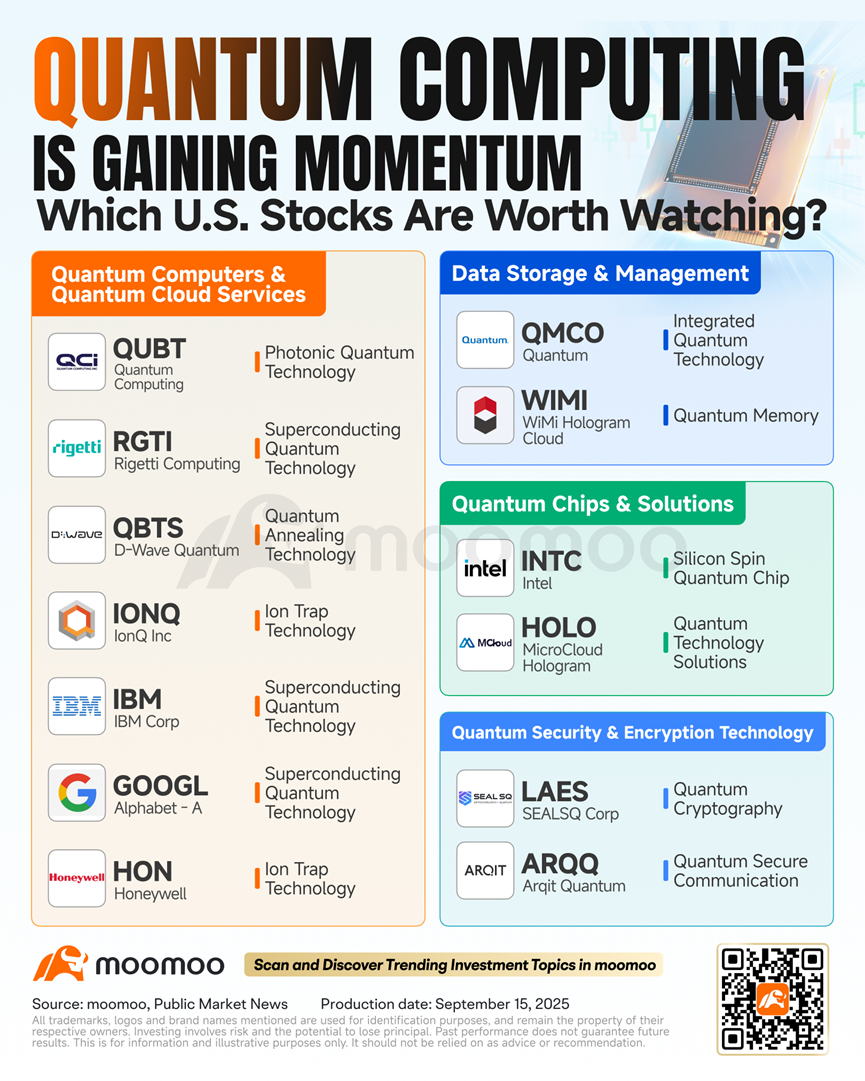
Investors usually split quantum stocks into three buckets. The first bucket contains pure plays that live or die on quantum milestones. The second bucket holds diversified tech firms that benefit if quantum works, but do not need it to survive. The third bucket includes software and infrastructure names that can sell picks and shovels while the hardware race continues.
The last group is often the cleaner trade. It is less dramatic, sure, but it also avoids the pressure of proving a moonshot on a quarterly schedule. That matters because markets punish delays hard once the story gets crowded.
What investors should watch next
Watch customer adoption, not just conference demos. Watch funding terms, because expensive capital can quietly reshape the story. And watch how often analysts tie quantum stocks to Nvidia and other AI names, because the stronger the link in headlines, the easier it is for the market to overprice the future.
If the next wave of AI keeps lifting compute spending, quantum stocks may keep getting a sympathy bid. But the companies that last will be the ones that sell something useful before the science fiction window closes. Which name in the group can say that today?


