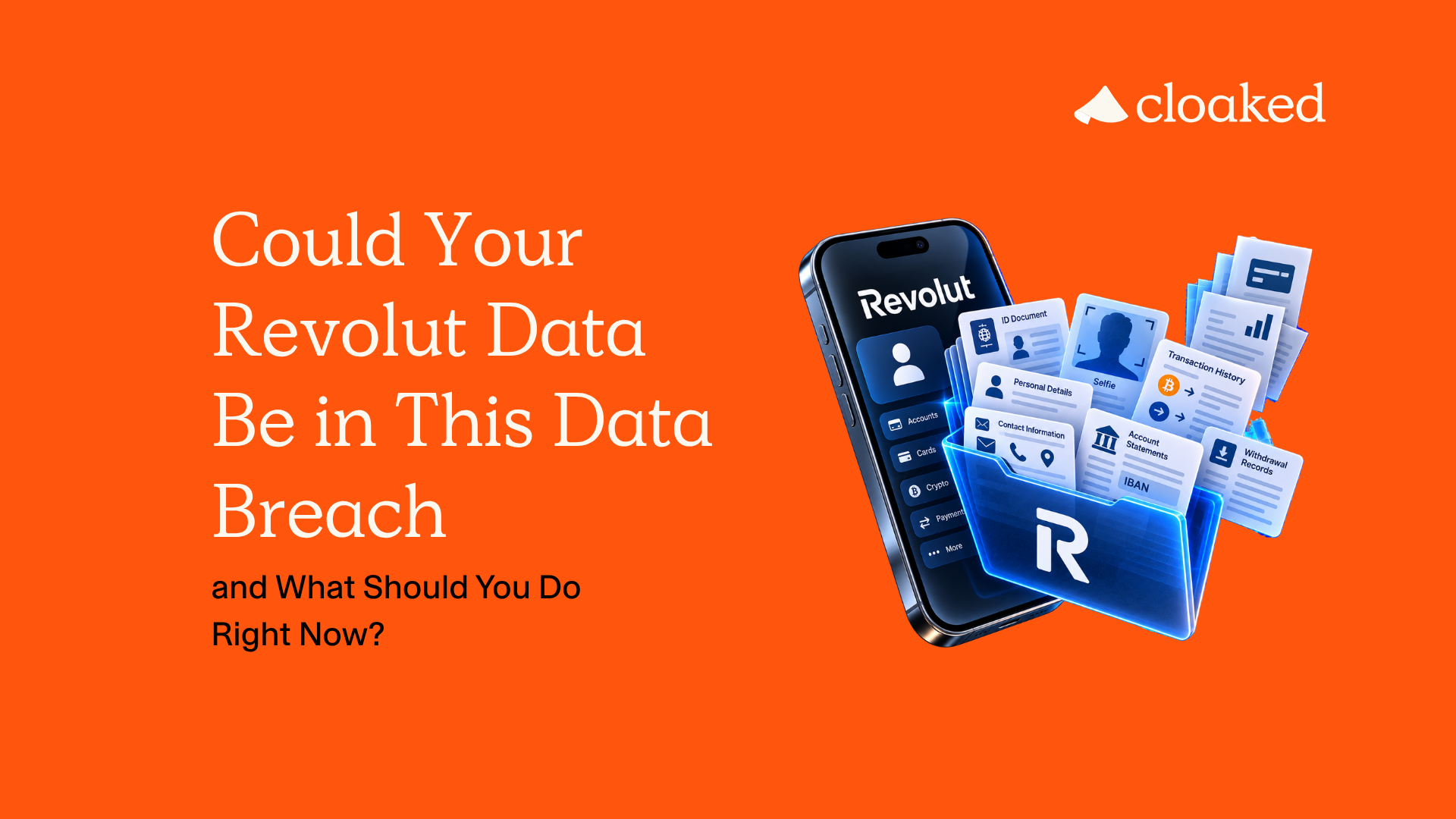
Revolut Data Breach Exposes Fake Government Request Risk
You trust your bank to protect your money, but the Revolut data breach shows a quieter risk that customers rarely see. According to TechCrunch, Revolut confirmed customer data was exposed after attackers used fake government requests to obtain information. That matters now because banks, fintech apps, crypto platforms, and telecom providers all face pressure to respond fast to law enforcement demands. Speed can save lives in real emergencies. It can also create a gap big enough for fraudsters to walk through. I have covered breach stories for years, and this one stands out because the front door was not a stolen password or a flashy malware attack. It was paperwork, process, and trust. If your data sits inside a financial app, you need to know what that means for you.
What Stands Out
- The reported route was fake government requests, which points to process abuse rather than a classic app hack.
- Customers should watch for targeted scams, especially messages that reference Revolut or account details.
- Financial firms need stronger request verification, including callbacks, agency validation, and audit trails.
- This is bigger than Revolut, because many companies handle urgent data demands from public agencies.
What the Revolut Data Breach Appears to Involve
TechCrunch reported that Revolut confirmed a customer data breach tied to fake government requests. Based on that account, the core issue was not an attacker breaking into every corner of Revolut’s systems, but a false request that looked official enough to trigger disclosure.
That distinction matters. A breach through a legal request channel may expose fewer records than a full database theft, but the data can still be sensitive because it may be selected, specific, and useful for follow-up scams. Think of it like a forged pass at a stadium gate. The attacker may not own the stadium, but they still got into a restricted area.
Fake legal requests are dangerous because they turn a company’s compliance process into the attack path.
Revolut customers should look for direct communication from the company before assuming their account was affected. If you receive a notice, read it closely and save it for reference. And if someone contacts you claiming to help with the breach, treat that contact as suspect until you verify it through the Revolut app or official website.
Why Fake Government Requests Are So Hard to Catch
Companies receive requests from police, courts, regulators, and other public bodies. Some are routine. Others are urgent, such as emergency data requests where an agency claims there is an immediate risk to life or safety.
This is the weak seam.
Attackers know urgency changes behavior. If a request looks official, uses the right legal language, and arrives through a channel that seems plausible, an overworked compliance team may move too quickly. What should happen? Verification. What often happens under pressure? A scramble.
The Revolut Data Breach Fits a Wider Pattern
This kind of abuse is not new. In recent years, major tech and telecom companies have faced scrutiny over forged emergency data requests, especially where attackers impersonated law enforcement. The issue sits at the intersection of cybersecurity, legal compliance, and plain old human judgment.
Here’s the thing. Banks have spent years hardening login flows with device checks, passkeys, and fraud scoring. But legal request handling can still depend on email, PDF forms, and trust in institutional branding. That is not enough for financial data.
What Revolut Customers Should Do Now
If you use Revolut, do not panic. Do tighten your account checks. A data exposure does not automatically mean your money is gone, but it can give scammers enough detail to sound convincing.
- Check your Revolut app for official notices. Do not rely on emails alone, since attackers may copy the company’s branding.
- Change your password if you reused it anywhere else. A unique password limits damage if another service is compromised.
- Turn on stronger login protection. Use biometrics or passkeys where available, and keep your recovery email secure.
- Watch for phishing. Be cautious with calls, texts, or emails that mention account reviews, refunds, frozen funds, or breach support.
- Review recent transactions. Report anything suspicious through the app, not through a link sent by a stranger.
Scammers love breach news because it gives them a believable script. They may claim your account needs urgent verification or that you must move funds to a safe wallet. No legitimate bank should ask you to transfer money to protect it.
What Financial Firms Should Fix After the Revolut Data Breach
Revolut will not be the last financial company tested this way. The fix is not a single tool. It is a tighter operating model that treats legal request intake as a security function, not just a compliance queue.
Strong controls should include agency callback procedures using independently verified numbers, signed request portals, staff training, and mandatory second review for emergency disclosures. Firms also need logging that can answer a hard question after the fact. Who approved the request, what was checked, and why was the data released?
- Verify the requester outside the inbound message. Never trust contact details supplied in the request itself.
- Limit the data disclosed. Release only what the verified request legally requires.
- Separate urgent from unchecked. Emergency handling can be fast without being blind.
- Test the process. Run red-team exercises against the legal request workflow, not only against apps and cloud systems.
Look, compliance teams are not the enemy here. They handle difficult requests under tight deadlines, often with limited staff. But attackers adapt to the parts of a company that get the least security attention, and legal operations has become a tempting target.
How to Judge Revolut’s Response
A good breach response gives affected customers direct facts, not vague comfort. Revolut should explain what categories of data were exposed, how many customers were affected, what controls failed, and what has changed. If law enforcement is involved, some details may stay limited, but customers still deserve clear guidance.
As a customer, judge the company by specifics. Did it notify you through a trusted channel? Did it tell you what to watch for? Did it offer steps that reduce your risk? A polished apology matters less than useful detail.
The Next Test Is Verification
The Revolut data breach is a reminder that security is not only about code. It is also about the boring gates inside a company, the inboxes, approvals, checklists, and phone calls that decide whether data moves. Boring, until they fail.
Financial apps have trained customers to expect instant service. Regulators and police also expect speed when the stakes are high. The next standard has to be faster verification, not slower response. If a fake request can unlock real customer data, what else is sitting behind trust alone?