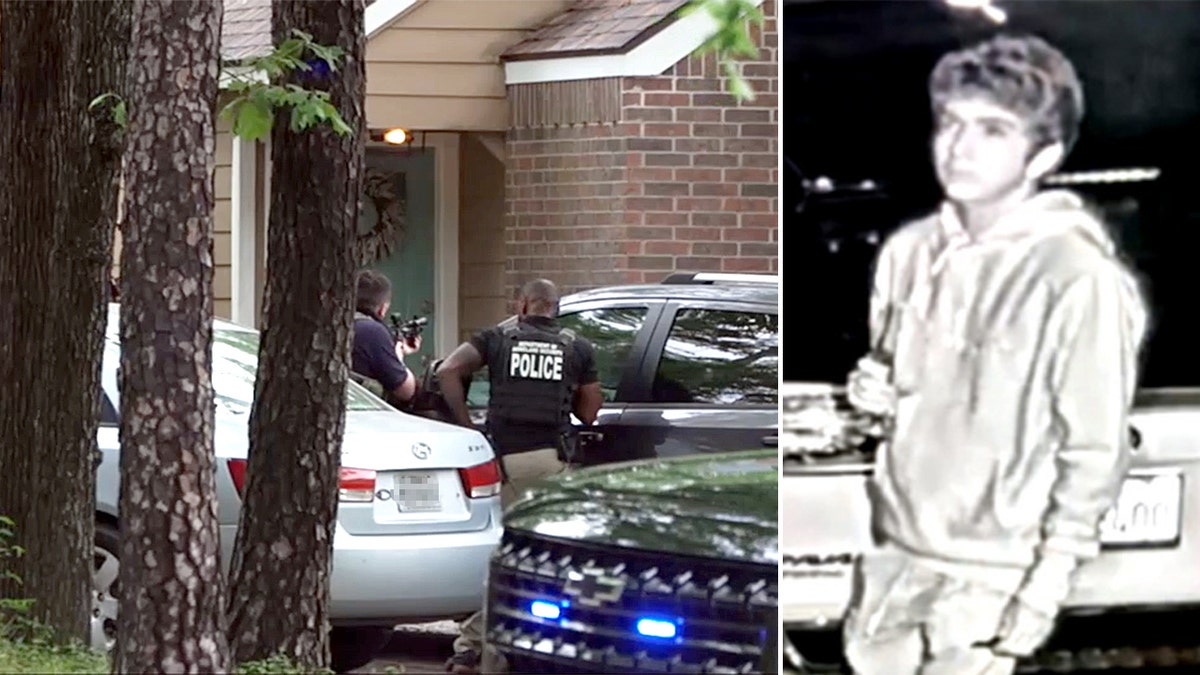
Sam Altman Second Home Attack Raises New AI Security Questions
The Sam Altman second home attack is a blunt reminder that the people steering AI are no longer tucked safely inside the tech bubble. Altman is one of the most visible names in the industry, and that kind of attention now travels beyond conference stages and into private life. The incident is not just a personal security story. It points to a bigger problem: when AI becomes a political and cultural flashpoint, its leaders inherit some of the same risks that follow public officials and celebrity executives. That changes how companies think about protection, how journalists write about these figures, and how much personal exposure a founder can absorb before the job starts to reshape everyday life. And yes, it raises a question that should not be ignored. Who else gets caught in the blast radius?
What the Sam Altman second home attack tells us
- Visibility has a cost: A founder’s public profile can quickly become a security issue.
- Private life is not private anymore: Home addresses, travel routines, and family details can turn into liabilities.
- AI is emotionally charged: That makes executives easier to target in moments of anger or obsession.
- Security is now part of business strategy: It is no longer just an executive perk or afterthought.
That changes the math.
Why the Sam Altman second home attack matters beyond OpenAI
OpenAI is not just another startup anymore. It sits at the center of public arguments about jobs, regulation, copyright, competition, and the pace of automation. That makes Sam Altman a symbol, whether he wants that role or not. Symbols attract projection. Some people see a visionary. Others see a warning sign. A few may treat him as a target. What happens when every product launch also feels like a referendum on the future of work?
A company can harden a campus. It cannot fully harden a public life.
This is where the conversation usually gets sloppy. People talk about security as if it were a moat you pour around a building. But the real challenge is distributed. It covers press events, home addresses, family routines, online harassment, and the small leaks that add up over time. Think of it less like a wall and more like kitchen hygiene. One clean surface is not enough if the sink, cutting board, and hands are all contaminated.
And the problem is getting broader. AI leaders do not operate in a quiet market. They operate in a fight over labor, education, copyright, and trust. That makes them unusually visible during a period when public anger spreads fast and facts travel slowly. It is a bad mix. Not because every critic is dangerous, but because the temperature around the industry is high enough to make fringe behavior more likely to surface.
What companies should do now
Security teams should assume executive visibility will keep rising. The right response is not panic. It is boring discipline. Separate public-facing content from private routines. Tighten who sees travel plans. Limit casual posting that reveals where someone lives, works, or sleeps (one sloppy post can undo months of discipline). Review family safety plans the same way you review incident response. Boring is good here. Boring keeps people safe.
- Map exposure points: List the places where names, faces, and locations appear together.
- Reduce pattern leakage: Make schedules less predictable and less shareable.
- Train assistants and staff: A lapse from one person can expose everyone.
- Coordinate with local security: Home protection works best when it is not isolated.
None of this is glamorous. That is the point. Security works like the scaffolding on a building site. You notice it only when it is missing, and by then the job has already become unsafe.
The real lesson for the AI era
The Sam Altman second home attack should push the industry to stop pretending that influence stays digital. It does not. Once a founder becomes the face of a movement, the job spills into real life. Companies need to think more carefully about the people around the executive, not just the executive. Families, neighbors, assistants, and house staff all sit inside the same risk field.
My read is simple. AI leadership is becoming a public office without the public safeguards. That gap will keep widening unless companies treat personal security as part of operational planning, not an awkward expense line. If the industry wants louder voices and bigger personalities, it will also need thicker boundaries. What is the point of building the future if the present around it stays this fragile?