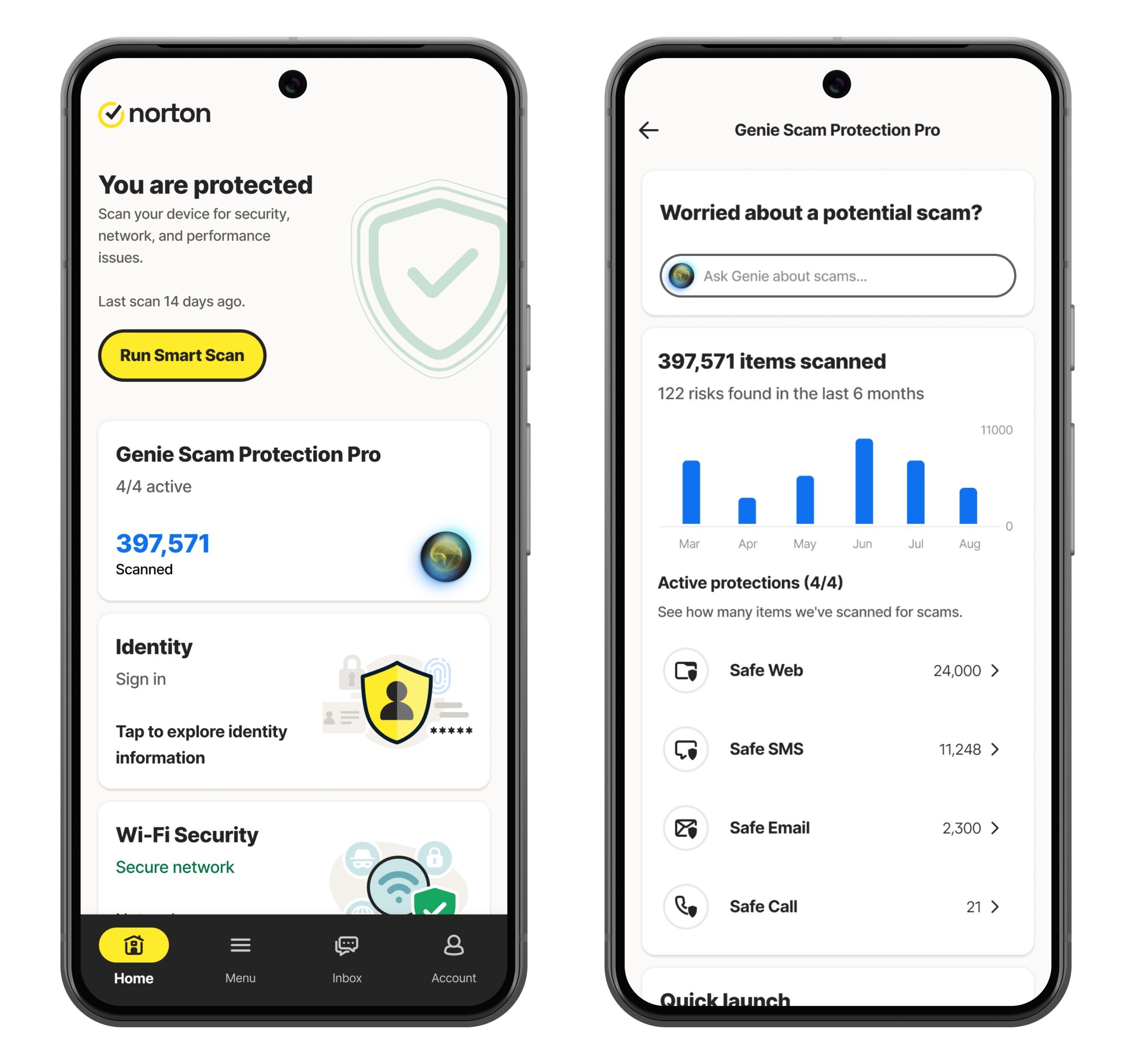
Savi’s App and the Rise of AI Scam Defense
AI scams are getting harder to spot, and that is the real problem. A voice can now sound like your child, your boss, or a panicked relative. A text can mimic the exact tone you trust. That is why AI scam protection matters now, not later. If a criminal can clone speech, fake urgency, and push you to act fast, your old habits are not enough anymore. You need tools that can slow the moment down and help you verify what is real before money, data, or panic takes over. Savi’s app is entering that gap with a consumer-focused pitch, and the timing is no accident.
Look, scams used to lean on bad spelling and clumsy calls. Now they can sound polished, personalized, and disturbingly human. What happens when the warning signs disappear?
- AI scam protection now has to handle voice clones, fake emergencies, and pressure tactics.
- Savi is targeting consumers who need help deciding what is real in the moment.
- Verification tools matter most when a scam tries to trigger fear or urgency.
- Fast detection is useful, but better user habits still carry a lot of the load.
Why AI scam protection is now a consumer problem
For years, scam defense meant watching for obvious mistakes. That model is slipping. Generative AI makes it cheap to produce convincing voices, messages, and even video, which means attackers can tailor scams at scale without sounding like amateurs.
The Federal Trade Commission has already warned that impersonation scams are a major threat, and the FBI has repeatedly flagged business email compromise and voice fraud as active risks. Those agencies are not reacting to theory. They are reacting to the way fraud is already changing.
And the psychological trick is simple. Create panic, shorten the decision window, and make the victim believe a loved one is in danger. It is a bit like a fire alarm in a crowded building. If the signal sounds real enough, people move first and think later.
What Savi’s app is trying to do
Savi is pitching itself as a consumer shield against this new wave of realistic scams. The core idea is straightforward. Help people verify suspicious interactions before they send money, reveal credentials, or panic-call the wrong number.
That matters because most scam losses happen fast. Once a transfer clears, the odds of recovery drop hard. A useful consumer app has to sit in that split second between fear and action.
If AI can imitate trust, then scam defense has to become a verification habit, not a one-time warning.
That is the real test for Savi and tools like it. Can they make verification easier than compliance with the scammer’s request? If not, they become another app people download and ignore.
How AI scam protection should work in practice
Good scam defense does not rely on a single trick. It needs layers. Think of it like a seatbelt, airbag, and brake system working together. Remove one part and the whole ride gets riskier.
- Flag suspicious urgency. Messages that demand immediate payment or secrecy should get surfaced clearly.
- Verify identity through a second channel. A callback to a known number beats replying inside the same thread.
- Surface pattern clues. Repeated payment requests, gift card demands, or odd language changes are warning signs.
- Make sharing easier. If a user can quickly send the alert to a trusted contact, the scam loses momentum.
But there is a limit here. No app can fully replace judgment. That is the part vendors sometimes skip over. The best systems reduce risk. They do not erase it.
Where AI scam protection still falls short
Any consumer security product runs into the same wall. Attackers adapt. Once a scam filter becomes common, fraudsters shift the script. They use slightly different language, another channel, or a new emotional angle.
Privacy is another pressure point. A tool that scans messages or voice content needs clear boundaries on what it stores, what it analyzes, and how long it keeps that data. If the product asks for too much access, users may hesitate. Rightly so.
There is also the trust problem. If an app cries wolf too often, people stop listening. That is fatal in security. False positives are not a side issue. They can be the business model killer.
What you should look for in a scam defense app
If you are evaluating a product in this space, ask the plain questions first. Does it verify suspicious requests with a method you already trust? Does it explain why it raised an alert? Does it work across texts, voice, and email, or only one channel?
Also check whether it helps the person who is most likely to get trapped. That might be an older parent, a teenager, or an employee who handles urgent payments. The best AI scam protection is the one that fits the real human in the loop.
And do not ignore the basics. Two-factor authentication, call-back verification, and family code words still matter. Fancy software is useful. Simple process is still non-negotiable.
What Savi’s move says about the market
Savi’s app points to a larger shift. Consumer security is moving from malware cleanup to trust defense. That is a big change, and it makes sense. As scams get more realistic, the problem stops looking like spam and starts looking like social engineering with better production values.
That should push the whole category toward cleaner design, stronger privacy rules, and less hype. Consumers do not need another app full of alerts. They need a tool that helps them pause, verify, and avoid a bad decision in under a minute.
That is the standard now. Can AI scam protection become fast enough, private enough, and accurate enough to earn a place on your phone?
What to do next
If you are already seeing suspicious calls or messages, start by creating one verification habit today. Pick a trusted callback number, set a family check-in phrase, and make sure the people around you know not to act on panic alone. The scams will keep improving. Your response has to improve faster.