Seattle Kraken Offense Finds Its Fast Lane
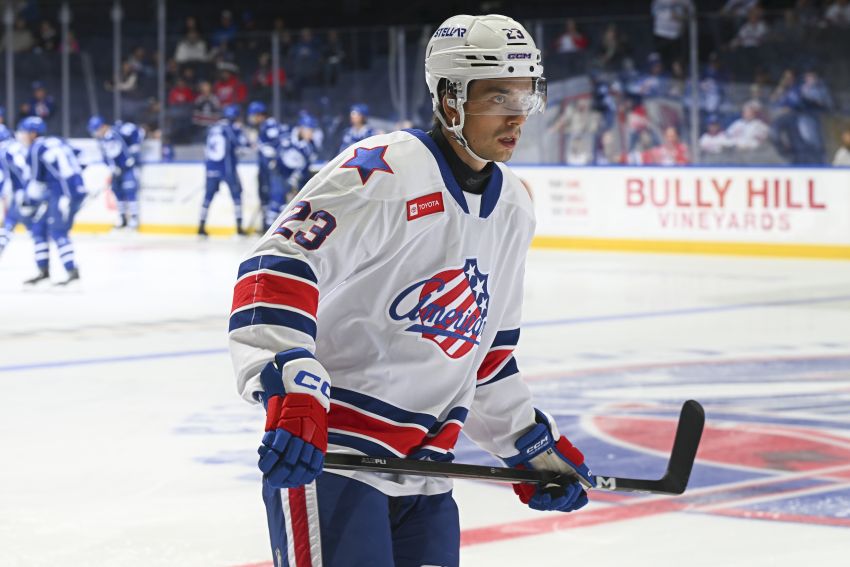
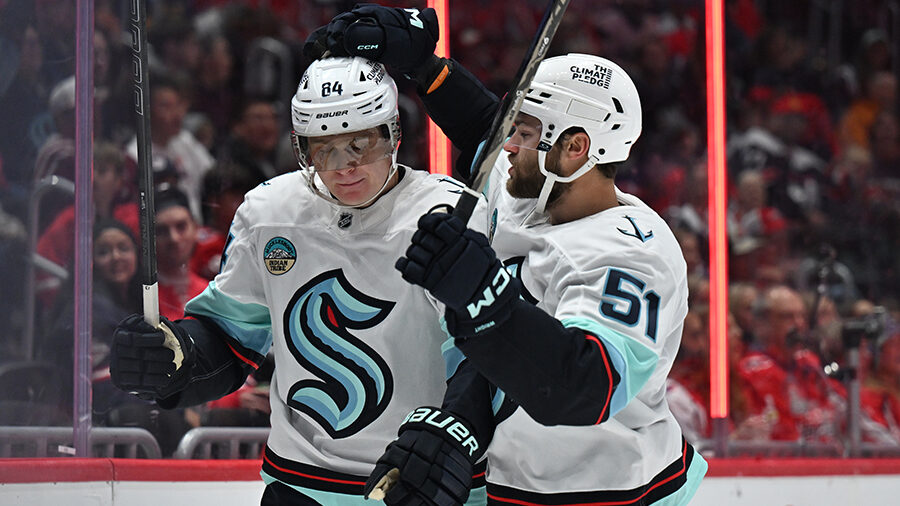
You can watch a team score for a week and still wonder if it is real. That is the question around the Seattle Kraken offense right now, and it matters because Seattle cannot afford to win only on streaks and vibes. The Kraken have spent much of their NHL life searching for a repeatable scoring identity, one that does not vanish the second a hot line cools off. According to Daily Faceoff, Seattle’s attack has started to hum with Jared McCann, Kaapo Kakko, Vince Dunn, Chandler Stephenson, and Ben Meyers all playing key roles. That mix is interesting because it is not built around one superstar dragging everyone along. It looks more like a four-line pressure system, with different players solving different problems. The question is simple. Can this version of Seattle keep producing when opponents adjust?
What Stands Out Right Now
- Jared McCann remains the finishing reference point, which matters on a roster that often creates by committee.
- Kaapo Kakko gives Seattle a heavier puck-control option, especially if his confidence keeps growing.
- Vince Dunn changes the geometry from the blue line by turning possession into dangerous movement.
- Chandler Stephenson adds pace and structure, two things Seattle needed down the middle.
- Ben Meyers offers lineup pressure, the useful kind that forces harder choices when everyone is healthy.
Why the Seattle Kraken Offense Looks Different
The biggest change is not only that pucks are going in. It is how Seattle is getting there. The Kraken look more connected through the neutral zone, and they are getting more value from players who can carry possession instead of dumping every puck and hoping for a bounce.
Look, I have covered enough NHL scoring runs to know the trap. A few goals go in, everyone declares the system fixed, then two tight-checking games make the celebration look silly. But Seattle’s current push has a more solid base because different player types are contributing.
That matters.
McCann gives the Kraken a true shooter. Kakko can extend possessions below the dots. Dunn can tilt a shift with one pass. Stephenson can support transition without turning every rush into a coin flip. Meyers, if he keeps earning trust, adds speed and directness in the bottom half of the lineup.
Seattle’s best offensive version is not a one-line fireworks show. It is a layered attack where the opponent cannot load up against one matchup and breathe easy against the next three.
Seattle Kraken Offense and the McCann Standard
McCann has become the cleanest offensive measuring stick for Seattle. He has the release, the timing, and the confidence to finish chances that other Kraken forwards might overhandle. Every team needs one player who can make a decent chance feel dangerous.
His role also gives the coaching staff a useful anchor. You can move pieces around him, change the look of a line, or shift matchups, but McCann’s value stays clear. Put him in shooting spots and feed him before the defense sets its feet.
The risk? Seattle cannot let McCann become the whole plan. If the power play or top-six scoring leans too hard on him, opponents will shade coverage his way. That is where Kakko, Dunn, and Stephenson become more than supporting names.
What Kaapo Kakko Adds Beyond the Box Score
Kakko is the kind of player who can frustrate people if they only read the game through goals and assists. His best work often comes before the obvious scoring chance. He protects pucks, absorbs contact, and buys time for teammates to arrive.
Think of him like a post player in basketball. He may not take every shot, but his ability to hold position changes where everyone else can move. Seattle needs that, especially against teams that deny clean rush chances.
Can he turn possession into enough production? That is the fair pushback. Kakko does not get a free pass forever because he plays the right way in the corners. Still, for a Kraken team trying to build longer offensive shifts, his skill set fits the job.
Vince Dunn Is the Pressure Valve
Dunn’s return to form is central to any serious Seattle scoring surge. A modern NHL offense cannot rely only on forwards cycling below the goal line. It needs a defenseman who can walk the blue line, change shooting lanes, and make the first pass under stress.
Dunn does that better than anyone else on the Kraken blue line. He forces penalty killers and five-on-five defenses to respect the top of the zone. That opens the low slot, the weak side, and those small seams that decide games.
Here’s the thing. Dunn also makes Seattle less predictable. Without him, the Kraken can drift into low-danger perimeter play. With him, one touch can turn a harmless setup into a scramble.
Seattle Kraken Offense Needs Stephenson’s Middle-Lane Calm
Stephenson was not brought in to be window dressing. Seattle needed a center who could play with tempo, support both wings, and keep shifts from becoming loose. That matters because the Kraken have too often looked like a team with useful parts but not enough connective tissue.
His value shows up in small sequences. He takes a pass in stride. He exits the zone cleanly. He backs off a defender with speed, then makes the simple play instead of forcing the heroic one. Coaches love that because it travels.
And yes, the contract conversation will follow him. It always does with veteran centers. For now, the more useful question is whether he helps Seattle’s wingers get the puck in better places. The early answer looks promising.
Ben Meyers and the Bottom-Six Squeeze
Meyers is not the headline name, but teams become harder to play when players like him contribute. His presence can raise the floor of the lineup. It also creates pressure on veterans who might otherwise keep spots by default.
That is healthy tension. A bottom-six forward does not need to play like a star. He needs to win races, avoid empty shifts, and give the coach a reason to trust him after a TV timeout.
- Drive the puck north. Seattle cannot afford soft minutes from depth lines.
- Keep penalties down. Depth value disappears fast from the box.
- Attack tired defenders. Simple, direct hockey works when the top lines have already worn opponents down.
What Could Slow the Seattle Kraken Offense?
The obvious answer is shooting luck, but that is only part of it. Every scoring run includes some percentage wobble. The more serious concern is whether Seattle can keep creating quality chances when teams tighten the neutral zone.
Opponents will test the Kraken in three ways:
- They will pressure Dunn early to stop clean exits and force rimmed pucks.
- They will crowd McCann’s shooting lanes and make someone else finish.
- They will make Kakko and Stephenson play through traffic instead of letting them build speed.
If Seattle has answers, this can become more than a hot patch. If not, the offense may slide back into the familiar pattern, lots of honest work with too little payoff.
The Test Comes After the Adjustment
The Kraken do not need to become an offensive machine to be dangerous. They need repeatable scoring habits, cleaner entries, and enough threats across the lineup to keep opponents honest. That is a more realistic goal, and frankly, a more interesting one.
The next step is simple to track. Watch whether Seattle still creates inside looks when the first rush is gone. Watch whether Dunn keeps finding seams under pressure. Watch whether Kakko’s possession shifts become goals, not just encouraging clips. If those answers hold, the Kraken may have found something sturdier than a streak.