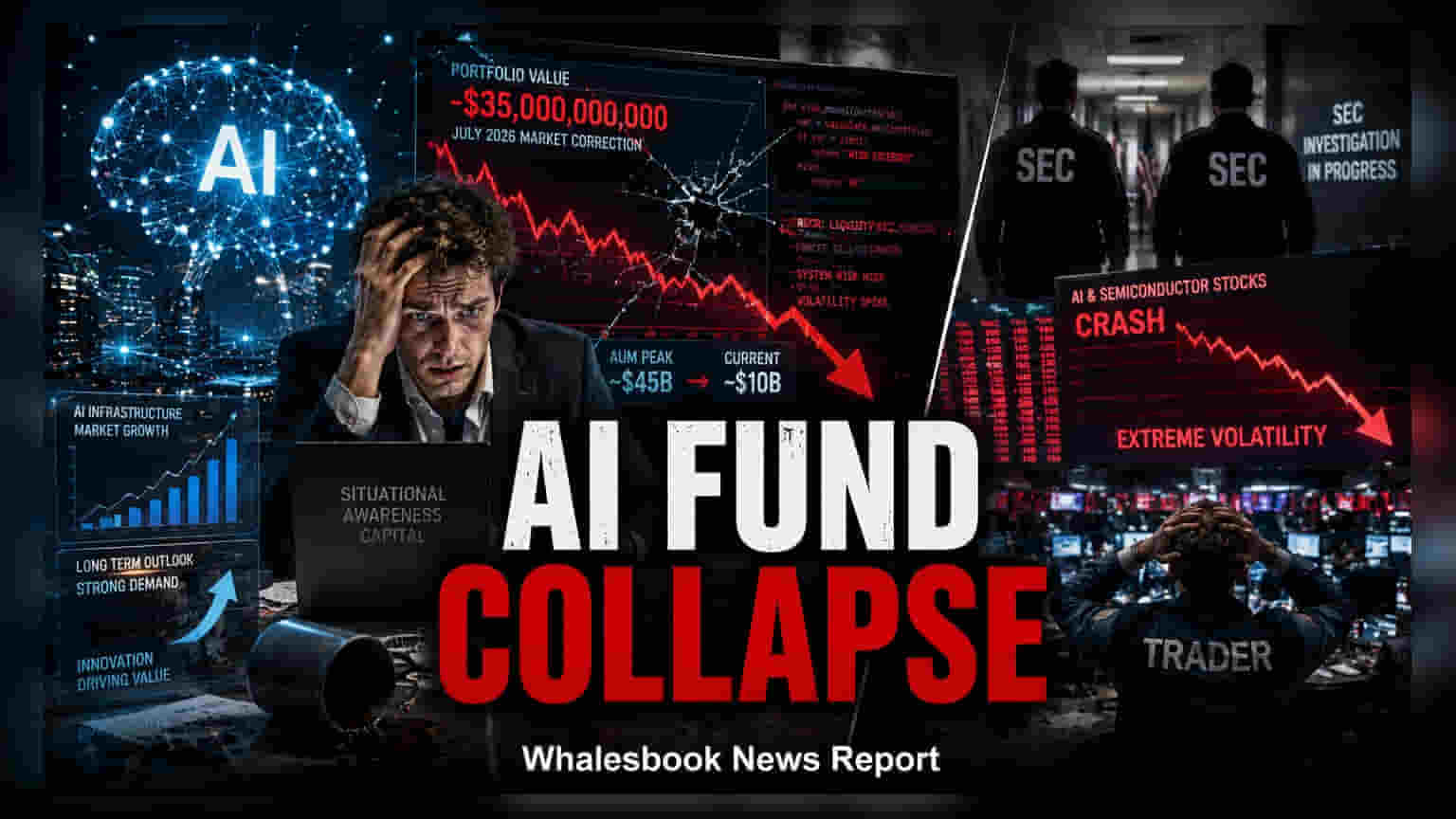
Situational Awareness SEC Probe: What Happened to the AI Hedge Fund
Investors keep getting told that AI can sharpen every decision, from trading signals to risk control. Then a fund like Situational Awareness nearly blows up, and the story changes fast. The Situational Awareness SEC probe matters because it is not just about one manager or one bad bet. It is about whether AI-branded investing can survive real scrutiny when money, leverage, and disclosure rules collide. If you are putting capital into AI-driven funds, you need to know where the hype ends and the compliance work begins. That line is thinner than many sponsors want to admit. And regulators are paying attention now.
What stands out in the Situational Awareness SEC probe
- The fund reportedly came close to implosion before the SEC got involved.
- The case raises questions about risk controls, reporting, and how much AI really drove decisions.
- It puts pressure on other AI hedge funds to explain their process in plain English.
- Investors should look for audited performance, clear leverage limits, and independent oversight.
Why the SEC cares about this kind of fund
The SEC does not need a fund to collapse before it asks questions. If a manager markets AI as a core edge, regulators will want to know how that edge is built, who oversees it, and whether disclosures match reality. That means looking at model governance, trade approvals, valuation methods, and whether the fund told investors enough about tail risk.
Look, hedge funds have always sold confidence. AI just adds a fresh layer of gloss. But if a system is making or guiding trades, then a simple pitch deck is not enough. Who checks the model when markets move hard? Who kills a bad position before it spreads? Those are the questions that matter.
“A fund can call itself AI-first. That does not excuse weak controls, thin disclosures, or careless risk taking.”
Situational Awareness SEC probe and the AI pitch problem
AI investing sounds tidy on paper. Feed in data, train a model, let it spot patterns, and let the returns roll in. In practice, markets are messy, reflexive, and often brutal. A model can help with signal generation, but it does not replace position sizing, liquidity discipline, or a human who knows when the machine is out of its depth.
Think of it like building a race car with a fancy engine but no brakes. The engine gets the headlines. The brakes keep you off the wall.
That is why the Situational Awareness SEC probe matters beyond one fund. It pushes the industry to answer a basic question: how much of the alpha comes from real process, and how much comes from marketing?
What investors should check before backing an AI hedge fund
- Ask how the model is used. Is it advisory, fully automated, or just one input among many?
- Review risk controls. Look for hard limits on leverage, exposure, and concentration.
- Demand disclosure discipline. Monthly letters are not enough if they avoid the real source of losses.
- Check for independent oversight. Third-party administrators, auditors, and compliance reviews matter.
- Separate AI claims from results. A good track record beats a flashy story every time.
And yes, performance still matters. But so does survivability. A fund that almost implodes has already told you something important about its design.
Red flags that deserve a closer look
Watch for vague descriptions of the trading system, unexplained drawdowns, and constant references to proprietary tech with no plain-language explanation. If the sponsor cannot explain the model without jargon, that is a problem. If the risk team is tiny or invisible, that is another one.
One more tell. If every answer sounds like a startup demo and never like a fiduciary duty, walk away.
What this means for the broader AI investing boom
The market has been flooded with AI claims, and plenty of them are fluff. Some managers use machine learning as a real tool. Others slap “AI” on the deck because it sells. The SEC probe is a reminder that the label itself is not a defense. It can even become a liability if the facts do not match the pitch.
So what happens next? If regulators press hard, more managers will need to document model changes, show trade governance, and explain failure modes in writing. That is healthy. It forces discipline. It also weeds out the funds that were relying on mystery instead of method.
What to watch next
The next filings, enforcement moves, and investor redemptions will tell the real story. If the probe expands, expect more scrutiny of AI hedge funds that promised too much and disclosed too little. If it fades, the reputational damage may still linger. Either way, the industry has a choice. Build systems that can stand up to a regulator’s microscope, or keep selling magic and hope nobody asks for the wiring diagram. Which path do you think survives?