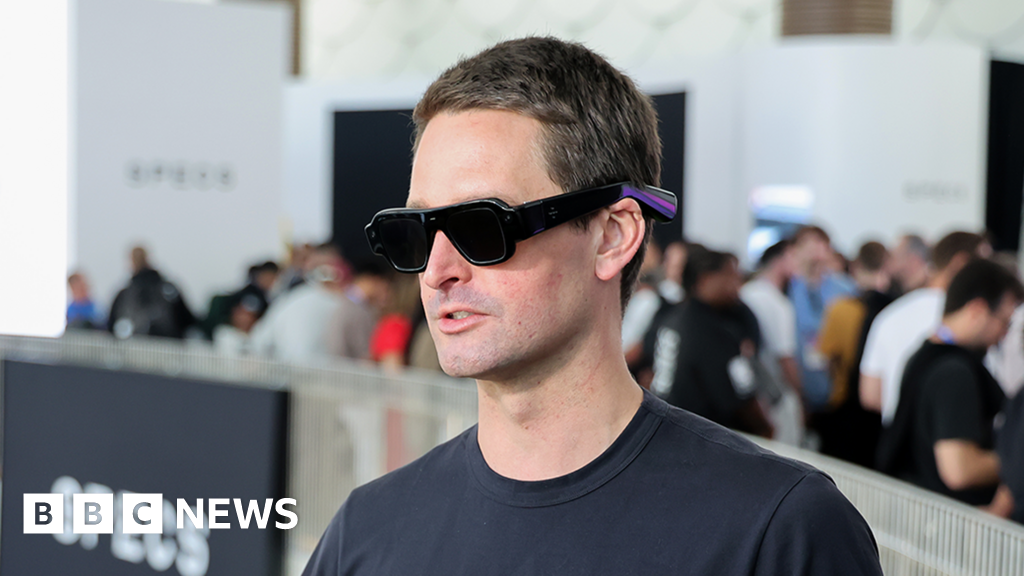
Snap Smart Glasses Face a $2,200 Reality Check
You want smart glasses that feel useful, not like a science project strapped to your face. That is the problem Snap must solve now with Snap smart glasses, especially at a reported $2,200 price point. According to TechCrunch, the company is trying again to make the case for its high-end Spectacles, a product line that has bounced between camera gadget, creator toy, and augmented reality bet. The timing matters because Meta has turned Ray-Ban Meta glasses into a more mainstream product, while Apple has made spatial computing a pricey household phrase with Vision Pro. Snap is chasing a harder target. It needs to prove that AR glasses can be social, wearable, and worth paying for before the hardware feels finished.
What Matters Right Away
- Price is the first hurdle. At $2,200, these glasses need a reason to exist beyond novelty.
- Developers matter as much as hardware. Without strong apps, AR glasses become demo machines.
- Snap has social DNA. That gives it an edge in camera-first experiences and shared lenses.
- AI could help. But only if it makes daily tasks faster, clearer, or more fun.
- Comfort is non-negotiable. People will not wear face computers that feel awkward after 20 minutes.
Why Snap Smart Glasses Are Such a Hard Sell
Snap has been early to this market for years, and I give the company credit for sticking with AR when many rivals treated it like a trade-show trick. The trouble is that being early does not pay the rent. Smart glasses need to clear a basic test. Would you reach for them before your phone?
That question gets tougher at $2,200. A phone can shoot video, run AI assistants, edit clips, hail a ride, and handle payments. Glasses need to offer something the phone cannot, or at least do it with less friction.
Snap’s best argument is presence. AR overlays, face-mounted cameras, and shared visual effects fit the company’s history with Lenses and messaging. But the product still has to beat the kitchen test. If a chef buys an expensive oven, it must cook better food, more often, with less hassle. Snap’s glasses need that same everyday proof.
Snap does not need another impressive demo. It needs a habit.
The Snap Smart Glasses Price Problem
A $2,200 tag changes the audience. This is not an impulse buy for Snapchat users, and it is not priced like Ray-Ban Meta glasses. It sits closer to developer kit territory, even if Snap wants people to imagine a broader future.
That can still work, but only if Snap is honest about who should buy first. Developers, AR studios, brand teams, educators, and experimental creators may accept high pricing if the tools are solid. Regular consumers will need a clearer payoff.
Here is the thing. Wearables are judged in public. A laptop can be ugly and still useful. Glasses sit on your face, so design, weight, heat, cameras, battery, and social comfort all collide at once. That is a brutal product checklist.
What buyers should look for
- Battery life: Can the glasses last through real use, or only short sessions?
- Display quality: Are AR overlays readable outdoors and indoors?
- App depth: Are there tools you would use weekly?
- Privacy signals: Can people nearby tell when recording or sensing is active?
- Fit: Do they work for different faces, prescriptions, and long wear?
Where AI Fits Into Snap Smart Glasses
AI gives Snap a cleaner pitch than pure AR ever did. A camera on your face can understand what you see, respond to voice, translate signs, summarize scenes, identify products, or guide hands-free creation. Useful, if it is fast and private enough.
But AI also raises the trust bar. If glasses can see what you see, users and bystanders will ask where that data goes, how long it stays, and what Snap does with it. Vague privacy language will not cut it (especially for a product worn in social settings).
There is a better path. Snap can focus on narrow, visible wins rather than giant claims. Think visual search for creators, quick captioning, collaborative AR games, live shopping try-ons, and location-aware social effects. Smaller features can build belief faster than one grand assistant that gets basic context wrong.
AI should feel like a shortcut, not a sales pitch.
Snap’s Real Edge: Social AR
Snap is not starting from zero. Its Lens Studio ecosystem, creator base, Bitmoji assets, and AR ad experience give it a foundation most hardware startups would envy. The company knows how people play with cameras, faces, and identity. That matters.
Still, social AR on glasses needs stronger rules than social AR on phones. Recording etiquette, consent, and visible indicators are part of the product, not policy footnotes. If people feel watched, the glasses lose before the software has a chance.
Snap also has to avoid building for stage demos instead of daily life. Floating widgets look neat in a keynote. A friend-finding overlay at a festival, shared drawing in a classroom, or a hands-free creator tool could be more persuasive because the job is obvious.
How Snap Smart Glasses Compare With Meta and Apple
Meta has momentum because Ray-Ban Meta glasses look normal and do a few things well. They take photos, record video, play audio, handle calls, and offer AI features in a familiar frame. They are not full AR glasses, but that may be the point. Meta picked usefulness over sci-fi.
Apple went the other way with Vision Pro. It delivers a richer spatial experience, but it is a headset, not everyday eyewear. That gives Snap a narrow lane between lightweight camera glasses and immersive headsets.
The risk is getting trapped in the middle. Too expensive for casual use. Too limited for pro work. Too conspicuous for all-day wear. Snap has to define the category before competitors do it for them.
What Snap Must Prove Next
For Snap, the next year should be less about spectacle and more about receipts. Show retention. Show developer earnings. Show repeat use. Show that people keep wearing the glasses after the first week.
Three proof points would change the conversation:
- A killer creator workflow: Record, edit, overlay AR, and post faster than on a phone.
- A strong developer story: Clear tools, distribution, analytics, and ways to make money.
- A social contract: Clear recording cues, privacy controls, and norms that people can understand in seconds.
Look, I have covered enough smart-glasses launches to know the pattern. The first demo gets applause, the second wave gets scrutiny, and the real test happens when the device leaves the controlled room. Snap is now in that uncomfortable middle stretch.
The Bet Snap Is Really Making
Snap is betting that the camera moves from your hand to your face, and that social computing becomes more visual, more immediate, and more spatial. That is a defensible bet. It is also expensive, technically messy, and easy to overstate.
The smarter move is to treat these Snap smart glasses as a serious developer and creator platform first, then earn the consumer story later. If Snap can produce a few daily-use moments that phones cannot match, the price starts to look like an early-access tax. If not, the glasses will remain a fascinating answer to a question most people never asked.
The next step is simple. Snap should show what real users do with the glasses after 30 days, because that number will say more than any launch demo.


