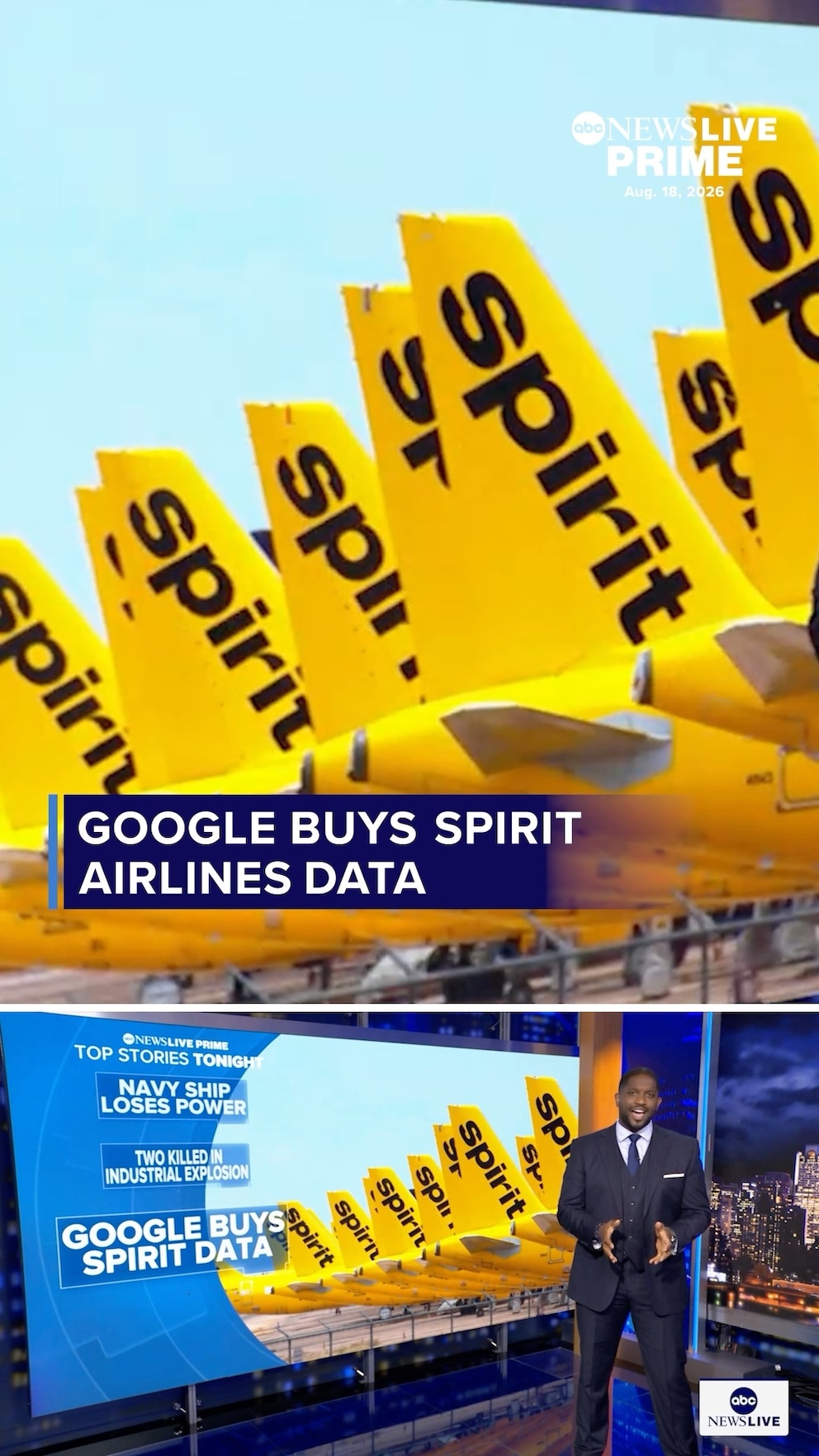
Spirit Airlines Data Deal: What Google Could Learn
Passengers already hand over a lot when they book a flight. Name, payment details, seat choice, bag fees, travel dates, maybe a loyalty number. The Spirit Airlines data deal now adds a harder question: what happens when that information becomes part of a sale to a company like Google? That matters because airline data is not just booking history. It can reveal where you go, how often you travel, what you spend, and how much price pressure shapes your choices. Former flight attendants in the Wired report sound freaked out, and you can see why. This is not a small back-office contract. It is a test of how far airlines can go in monetizing passenger behavior before trust breaks. And once that line moves, it rarely moves back.
Why the Spirit Airlines data deal raises alarms
- Passenger records are sensitive, even if they do not look sensitive at first glance.
- Travel data can be highly revealing, especially when combined with other datasets.
- Workers worry about mission creep, where one deal becomes a broader surveillance pipeline.
- Airline trust is fragile, and price-focused carriers feel the hit fast.
Air travel data is not just a receipt. It is a behavioral map.
Look, airlines have been squeezing value out of customer data for years. They have sold upgrades, pushed targeted offers, and tracked buying patterns with all the subtlety of a tax auditor. But a deal with Google changes the scale and the stakes. Google does not need your boarding pass to understand your life, yet airline data can still fill gaps in ad profiles, location inference, and travel intent.
That is why this story lands harder than a routine vendor contract. It is a privacy story, yes. It is also a labor story, because frontline workers often absorb the backlash when passengers feel exposed. Who gets blamed when people think their trip details are being packaged and sold?
What data can an airline actually sell?
Airlines usually hold a messy pile of information. Some of it is basic, like names and flight numbers. Some of it is more revealing, like purchase timing, route patterns, device identifiers, and ancillary spending. Add in customer service logs or app behavior, and you get a much richer picture.
That does not mean every data point is equally dangerous. But combined data is where things get sticky. A single reservation may be harmless. A stream of reservations over time can show business trips, family visits, medical travel, or financial stress. Do you really want that sitting in another company’s ad stack?
Spirit Airlines data deal and the Google question
The Google angle matters because Google already sits at the center of digital advertising, cloud services, and consumer identity. If Spirit licenses data to Google, the obvious fear is that airline behavior could feed targeting systems or matching tools in ways passengers never expected. Even if the arrangement is narrow, the optics are bad. Very bad.
There is a reason privacy advocates keep circling this kind of partnership. A travel record is not just a record. It is a signal. And signals, once aggregated, are valuable in ways most people never see. That is the real tension here: what looks routine on a spreadsheet can feel invasive in your inbox.
What former flight attendants are reacting to
Former cabin crew often understand airline culture better than anyone outside the operation. They know how quickly passenger anger can spread from a pricing issue to a trust issue. They also know how often companies ask workers to explain decisions they did not make.
Their reaction suggests this is not just a PR problem. It is an internal morale problem. If employees think leadership is turning passenger information into a commodity, they may start treating management promises as marketing copy. That is a nasty place for any airline to be.
Trust is a revenue line.
How you should think about your own travel data
Start by assuming travel platforms know more than you think. Airlines, booking sites, card processors, and loyalty programs each see a different slice of your trip. Put those slices together and the picture gets sharp fast, like a sketch artist filling in a face from a few quick lines.
- Read airline and booking privacy notices before you join a loyalty program.
- Use separate email addresses for travel accounts if you want to reduce cross-tracking.
- Check whether your booking platform lets you limit marketing emails and ad personalization.
- Prefer payment cards with stronger fraud controls and alerts.
- Ask for deletion where the provider actually allows it, especially for old profiles.
These steps will not erase airline data collection. But they can reduce how widely your trip history spreads. That matters. Small controls add up.
Why this fight is bigger than Spirit
Spirit is an easy target because it lives on fees, volume, and thin margins. But do not make the mistake of treating this as a one-off scandal. Other airlines will watch closely. If the backlash is mild, more deals will follow. If the response is sharp, boards will think twice before turning passenger data into another asset class.
Regulators may end up getting more involved too, especially if data sharing crosses into profiling that passengers never clearly agreed to. The United States has no single airline privacy law that neatly covers every edge case. That gap is where companies get adventurous.
And that is the real issue. Not whether airlines can collect data. They already do. The question is whether they can keep expanding that collection into partnerships passengers never asked for, then call it innovation. Maybe the better test is simple: if you would not explain the deal in plain English to every traveler at the gate, should you be making it at all?
What happens next
Watch for three things. First, the exact scope of the data sharing. Second, whether passengers get a clear opt-out. Third, how much control Google would have over matching, storage, and downstream use. Those details decide whether this is a narrow business deal or the start of something much more invasive.
Airlines love to say they are improving the customer experience. Fine. Show your work. If the Spirit Airlines data deal is real, the industry owes passengers a direct answer, not a glossy privacy page that nobody can decode.