Teens and AI Chatbots: How to Keep Kids Safe
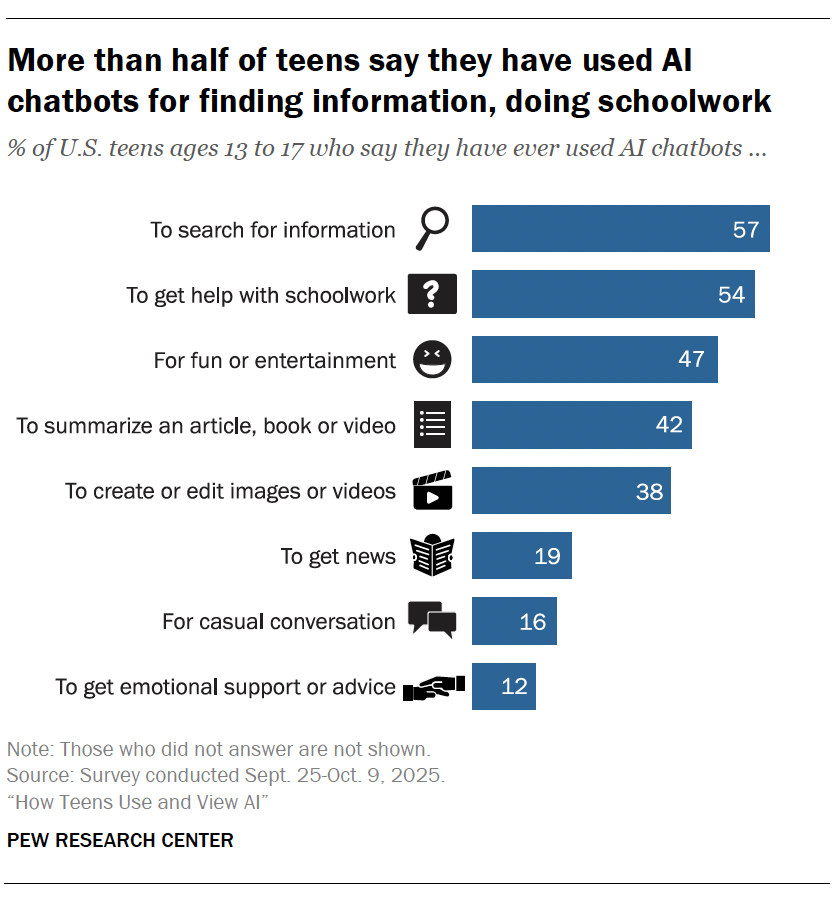
Teens are turning to chatbots for comfort, advice, and a place to vent. That sounds harmless until you remember what a chatbot is, and what it is not. It can reply fast, stay patient, and sound caring, which makes it easy for a young person to treat it like a trusted listener. That is exactly why teens and AI chatbots need closer adult attention now. The risk is not only bad advice. It is also emotional dependence, privacy leaks, and the quiet replacement of real support with synthetic reassurance. Parents do not need panic. They need a plan.
The hard part is that these tools fit into teen life with almost no friction. One tap, one question, one reply. And if your child feels isolated, embarrassed, or overwhelmed, that instant response can feel better than talking to a parent, teacher, or counselor. What happens when a machine becomes the first stop for loneliness?
What to watch for with teens and AI chatbots
- Secrecy. Your teen hides the app or clears chat history often.
- Emotional reliance. They say the chatbot “gets me” better than people do.
- Sleep loss. Late-night conversations start replacing rest.
- Risky advice. The bot gives simplistic answers about self-harm, sex, or family conflict.
- Privacy drift. Your teen shares names, locations, school details, or personal images.
Researchers and child safety groups have already flagged this pattern. The American Academy of Pediatrics has warned that youth need guardrails around digital tools that shape behavior and emotions. Common Sense Media has also pushed for stronger age protections, clearer labeling, and tighter data controls on AI products used by minors. That advice lines up with what many parents are seeing at home.
Why teens and AI chatbots feel so sticky
Chatbots are built to respond in a reassuring, low-friction way. They do not get tired, impatient, or distracted. For a teen who feels judged elsewhere, that can be seductive.
“A chatbot can sound empathetic without actually understanding your child’s situation. That gap matters.”
Think of it like junk food for the nervous system. It is easy to get, easy to repeat, and hard to notice until it has become a habit. The problem is not one chat. It is the loop.
And the loop can distort judgment. A teen might ask about friendship drama, anxiety, or family tension, then get answers that feel confident but are oversimplified. Some bots mirror the user too much, which can reinforce bad assumptions instead of challenging them.
How parents can set guardrails without a war
- Ask what the bot is for. Is your teen using it for homework, curiosity, or emotional support? That distinction matters.
- Set a no-confidentiality rule. No full names, addresses, school schedules, photos, medical details, or passwords.
- Keep chatbots out of crisis care. If your child feels unsafe, sad for days, or thinks about self-harm, they need a person, not software.
- Check app settings together. Look for data collection, memory features, and age controls. Turn off anything your family does not need.
- Create a backup list of humans. Put trusted adults, counselors, relatives, and helplines in one visible place.
Honestly, the best conversations are not lectures. They are tradeoffs. You can say, “I get why this feels easier. I also need you to know where the line is.” That lands better than a speech about screen time.
What to say if your teen is already attached
Start with curiosity, not a shutdown. Ask what the chatbot gives them that other people do not. Is it privacy? Speed? No awkwardness? Once you know the appeal, you can address the gap.
Then set a simple standard. The bot can help with brainstorming, writing, or general questions. It cannot replace a parent, therapist, teacher, or doctor. That boundary is non-negotiable.
One useful rule is to ask your teen to pause before sharing anything they would not want posted on a wall at school. It is a blunt test, but it works.
What safer use looks like
Used carefully, AI chatbots can help with school work, practice conversations, or organizing thoughts before a real talk. That is a narrow lane. Keep it there.
Here is a practical checklist:
- Use family accounts where possible.
- Review privacy settings every few months.
- Keep devices out of bedrooms overnight if late-night use is becoming routine.
- Teach your teen to question confident answers and verify anything important.
- Watch for emotional language that sounds more intense after chatbot use.
Look, this is not about banning every new tool. It is about teaching judgment before the product does the teaching for you. That matters because AI systems can sound wiser than they are.
Teens and AI chatbots need a human backstop
The safest setup is simple. Let your teen explore, but keep real relationships in the center. A chatbot can help draft a text to a friend or sort homework notes. It should not become the place where your child handles grief, panic, or self-doubt.
If you want one next step, make it this: have a five-minute conversation tonight about what your teen should never share with an AI system. Then ask them which adult they would contact first if something felt off. That answer will tell you a lot.
And if you do not like the answer, what are you going to do about it this week?


