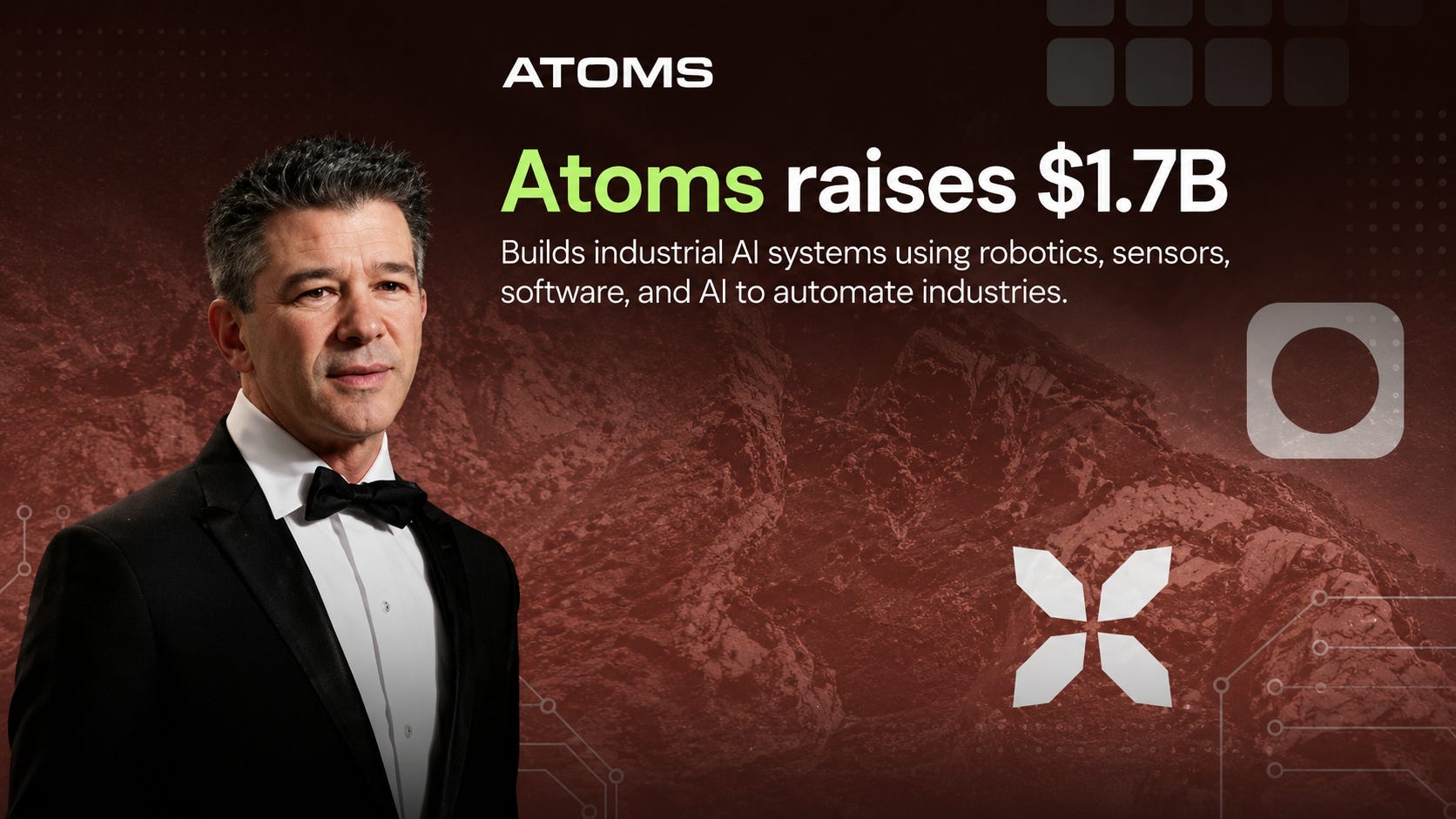
Travis Kalanick’s Robotics Startup Raises $1.7B
If you have been watching the robotics market, this is the kind of check that changes the tone of the room. Travis Kalanick robotics company just raised $1.7 billion, and a16z led the round. That is a lot of capital for a sector that still struggles to turn flashy demos into repeatable business.
The money matters because robotics is no longer being treated like a side bet. Investors want systems that can move goods, do physical work, and reduce labor pain in warehouses, factories, and logistics networks. But the bar is higher now. Can the company prove it can build machines that work in the real world, at scale, without burning through cash like a rocket booster?
What this round says about the Travis Kalanick robotics company
- Big capital is still flowing into physical AI and autonomous systems.
- a16z is signaling conviction in robotics as a long-term platform, not a short-term trade.
- The market wants proof that the company can ship durable products, not just prototypes.
- Execution now matters more than vision, because robotics margins can get ugly fast.
Why investors are still writing huge checks
Look, robotics has always been a strange mix of promise and pain. The promise is obvious. Robots can work longer hours, handle repetitive tasks, and reduce dependency on hard-to-fill labor. The pain is just as obvious. Hardware is expensive, supply chains are messy, and field failures are unforgiving.
That is why this funding round is interesting. It suggests investors think the cost curve is finally bending. Computer vision has improved. On-device AI is stronger. Sensor stacks are better than they were five years ago. And that combination can make robotics feel less like moonshot science and more like industrial plumbing (slow, dull, and essential).
The real test is not whether a robot can impress a demo audience. The test is whether it can survive a warehouse shift, a factory floor, or a delivery route without constant human rescue.
mainKeyword and the hard part of robotics economics
For the Travis Kalanick robotics company, the central problem is not raising money. It is turning capital into a business with sane unit economics. That means keeping hardware costs under control, reducing downtime, and selling into markets that can support premium pricing.
Robotics companies often look like software businesses in pitch decks and like heavy industry once the bills arrive. That gap kills a lot of startups. How many can you name that shipped a compelling prototype, then stalled when deployment got real?
What has to go right
- Reliable deployment. Machines must work in unpredictable environments.
- Serviceability. Repairs and maintenance need to be fast and cheap.
- Customer fit. The product has to solve a painful, expensive problem.
- Scale discipline. The company cannot outrun its own manufacturing capacity.
Why a16z’s role matters in mainKeyword coverage
a16z has spent years pushing into AI, infrastructure, and deep tech. Backing this deal tells the market that robotics is not just a science project. It is a strategic category where the winner could own real operational workflows, the kind businesses pay for month after month.
And that is the key distinction. If a robot only shows up in press photos, the market forgets it. If it takes over a painful task in a high-volume operation, buyers remember it. That is where defensibility lives.
What to watch next
For readers tracking the Travis Kalanick robotics company, the next signals matter more than the headline number. Watch for customer deployments, hiring patterns in hardware and manufacturing, and whether the company talks more about revenue than research. Those are usually the tells.
Also watch the competitive response. Other robotics startups will point to this round as proof that capital is still available. Incumbents will treat it as a warning shot. Either way, the sector just got louder.
And if the company can convert this round into shipping product, not just slide deck momentum, it will force a harder question across the market: who else is actually ready to make robotics pay?
What happens now
This funding gives the company time, but not immunity. Big checks can buy engineers, suppliers, and runway. They cannot buy reliability. That part has to be earned, one deployment at a time.
So keep your eye on the boring details. Unit economics. Service contracts. Deployment speed. Those are the numbers that decide whether this becomes a real robotics business or just another expensive headline.