Trump NBA Finals Trophy Role Claims: What the Lip-Reading Story Says
The latest Trump NBA Finals trophy role chatter is a good example of how fast a small moment can turn into a big story. A lip-reader claims Donald Trump tried to secure a role in the NBA trophy presentation at the Finals, and the claim has ricocheted across sports and politics feeds. That matters because these clips are built for speed, not clarity. You see a short exchange, a few still frames, and then a flood of confident takes. But what was actually said? And how much weight should you give a lip-reading claim when the source video is limited and the context is thin?
Look, this is not about a championship trophy. It is about how quickly a single reading can shape public perception.
- Claim: A lip-reader says Trump wanted a trophy presentation role at the NBA Finals.
- Problem: Lip-reading from video is fragile, especially with angles, noise, and missing context.
- What to check: The original footage, full audio if available, and reporting from named witnesses.
- Why it spreads: Sports moments carry huge reach, and political figures supercharge the attention.
- Best response: Treat the clip as a claim, not a fact, until better evidence appears.
What the Trump NBA Finals trophy role claim is saying
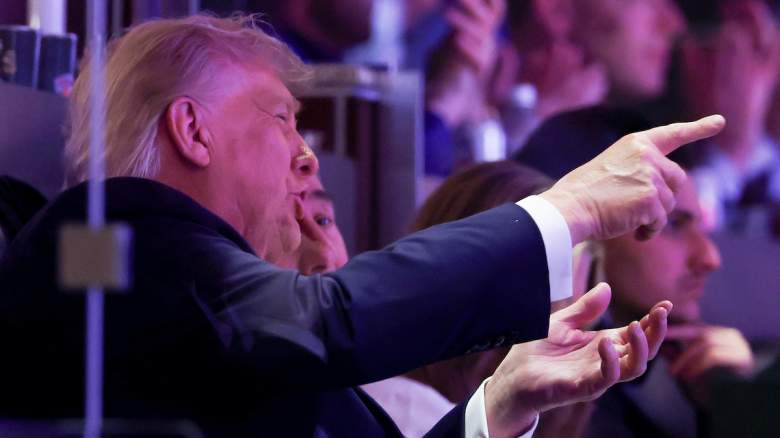
The core idea is simple. A lip-reader interpreted a courtside or arena exchange as Trump asking for involvement in the NBA Finals trophy presentation. That is a neat headline, which is exactly why it travels so well.
But a lip-reading claim is not the same thing as a verified quote. It is an interpretation of mouth movement, timing, and context. Miss one piece, and the whole reading can wobble.
“A short clip can feel definitive. It rarely is.”
Why lip-reading claims are so slippery
Lip-reading has limits even in controlled settings. On live video, the problems pile up fast. Camera angles cut off part of the face. Crowd noise masks audio. People turn their heads. Words blur together.
That is why journalists usually look for corroboration. Did the venue or league confirm the exchange? Did another camera angle catch it more clearly? Did anyone on the record hear the same thing?
Without that, you are left with an interpretation. Not proof.
How to read a clip like this
- Check whether the video includes full audio.
- Look for the original source, not just reposts.
- Compare more than one angle if you can find them.
- Separate the claim from the reaction around it.
- Ask whether a named source backs it up.
Why the NBA Finals angle makes it bigger
The NBA Finals are a high-visibility stage. Put a former president near that stage, and every gesture gets inflated. The event is already loaded with celebrity, business, and politics. Add a trophy presentation rumor and you have the kind of story social platforms love to turn into a certainty.
It works like a relay race. One post passes the baton to another, and each retelling strips away a little more nuance. By the third repost, the claim sounds settled even when it is still unconfirmed.
That is the real story here. Not whether one person wanted a photo op, but how fast the internet converts ambiguity into narrative.
What credible reporting should do next
A solid report on the Trump NBA Finals trophy role claim should answer a few plain questions. Who heard the exchange? What exactly was said? Was the quote verified by anyone beyond the lip-reader?
Sports reporting can handle color and drama, but it still needs guardrails. The Associated Press, Reuters, and local beat reporters usually do this well when they wait for confirmation instead of racing the clip.
And if no one can verify the exchange? Then the honest answer is uncertainty. That is not a weakness. It is the job.
Why this story keeps finding an audience
Trump remains a high-voltage figure in American media, so even a small rumor gets a huge push. The Finals add another layer because they bring a live audience, a trophy, and the kind of setting that invites speculation. Put those together, and you get a story engineered for outrage, mockery, and partisan spin.
Still, the useful question is simpler: does the evidence support the headline? If not, why pretend it does?
That is the standard worth keeping.
What you should do before sharing it
Before you repost a clip like this, pause for ten seconds. Ask where the video came from, whether the audio is usable, and whether the claim appears in reputable reporting or only in reposts and commentary.
If the answer is fuzzy, keep your distance. A bad read can spread faster than a clean correction, and once that happens, good luck getting the story back on track.
Where the story goes from here
The next version of this story will probably be driven by more clips, more hot takes, and maybe a denial or clarification. Fine. But the standard should stay the same. The louder the claim gets, the better the evidence should be.
So what happens if no stronger proof ever appears? Then this becomes another lesson in media hygiene, and those are getting harder to ignore.