Vancouver World Cup Match: Egyptian and New Zealand Fans Gear Up
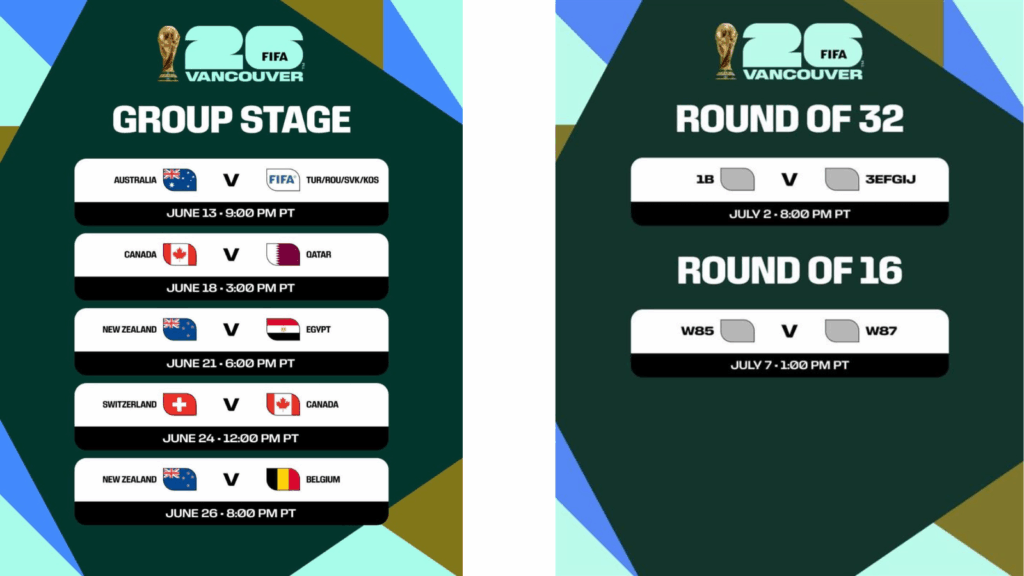
Vancouver’s third World Cup match is pulling two very different fan bases into the same city, and that matters because the local atmosphere can shape everything from travel plans to ticket demand. If you are following the mainKeyword buzz around this event, the story is not only about the game. It is about how supporters from Egypt and New Zealand turn a stadium night into something bigger, louder, and harder to predict. That mix can strain hotels, transit, and downtown traffic, but it can also give the city a sharp football edge (the kind host cities chase for years). Look closely and you can see the real test here. Can Vancouver handle another crowded match day without losing the feel that makes World Cup football worth the trip?
What stands out before kickoff
- Egyptian and New Zealand supporters bring different styles of match-day travel and crowd behavior.
- Vancouver’s third World Cup match adds pressure to transit, lodging, and fan zones.
- The game gives local businesses another chance to benefit from international foot traffic.
- Fans are not just showing up for 90 minutes. They are shaping the city’s public face.
Why the mainKeyword matters for Vancouver
The mainKeyword is really a shorthand for a bigger issue. Host cities do not just manage a match. They manage movement, noise, timing, and expectations all at once. That is why a fixture like this draws attention far beyond the stadium gates.
Egyptian fans tend to travel with strong vocal support and a clear match-day identity. New Zealand supporters often arrive with a smaller footprint, but they bring a loyal, tight-knit presence that can still shift the mood in a section or a plaza. Put those together in one city and you get a classic tournament blend, one that feels a bit like putting two different engine sizes into the same car. The machine still runs, but the handling changes.
World Cup hosts do not get judged only by the final score. They get judged by how well they keep crowds moving and fans engaged.
What fans usually need on a day like this
Supporters do not need speeches. They need clear logistics. Where do you enter, how early should you arrive, and what happens if transit is delayed? Those questions matter more than any pre-match slogan.
- Plan transit first. Crowded match days can make driving a bad bet, especially near downtown cores.
- Check gate times early. A late arrival can turn a smooth night into a long wait.
- Know the fan zones. Public gathering spaces can be just as important as the stadium.
- Carry less. Security lines move faster when you are not digging through a packed bag.
And yes, that sounds basic. But basic is what saves time when thousands of other people are trying to do the same thing at once.
How this match tests the city
Vancouver has hosted major sports crowds before, but a World Cup schedule is different. It compresses demand into a short window and brings in visitors who may not know the city well. That creates a simple problem with messy edges: if the city is slow, the fans feel it immediately.
Local hotels, restaurants, and transit operators all get pulled into the same rhythm. If one part slips, the whole day feels clumsy. If they work together, the city can look calm even when it is packed.
What the fan mix can change
The energy inside and around the venue may shift depending on which side is louder early. A match with two distinct fan cultures often gets more color, more chanting, and more visible national pride. That is good for the spectacle. It also means security and venue staff need to read the crowd, not just process it.
Here is the thing. Tournament football is a service test as much as a sporting one. Cities love the global stage, but the stage is unforgiving. Miss a transit cue or underprepare for arrivals, and the story stops being about football.
What to watch after the final whistle
The real metric is not just attendance. It is whether fans leave with a clean memory of the city and a reason to come back. Did they get there on time? Did the streets feel manageable? Did the event feel organized without feeling cold?
Those answers matter because they shape how Vancouver is talked about in the next host city, and the one after that. That is the quiet competition no one sells on a poster.
If Vancouver gets this right, the city does more than host a match. It strengthens its case as a place that can handle big football nights without turning them into chaos. And with more eyes on the tournament every day, who wants to be remembered for long lines instead of loud stands?